
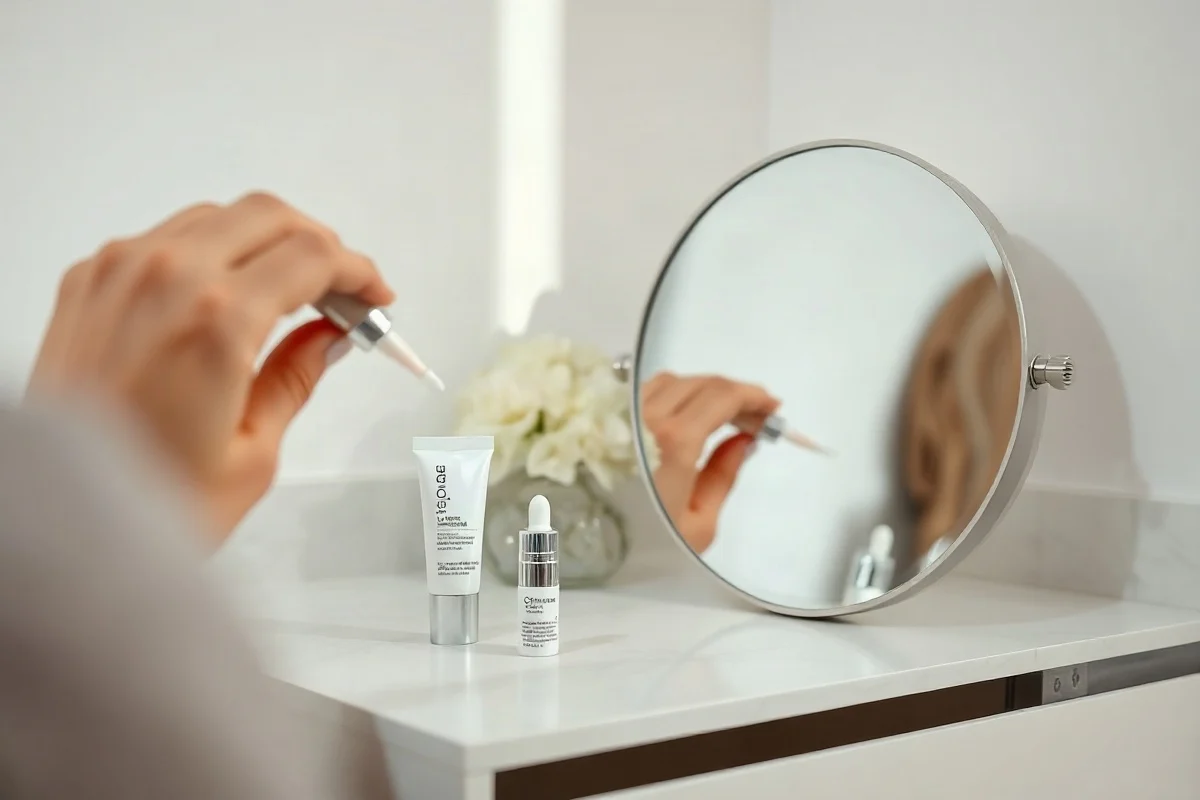
People with very sensitive or reactive skin, a known caffeine or formula allergy, irritated skin around the eyes, or expectations of treating a medical condition should skip caffeine eye cream or ask a qualified health professional before using it. Caffeine may temporarily make puffiness look less noticeable, but it does not reliably remove dark circles, erase fine lines, or address every cause of under-eye discoloration. If the skin around your eyes is already burning, peeling, swollen, or uncomfortable, adding a new product may make the problem harder to understand.
For some people, a caffeine eye cream can be a reasonable cosmetic option. For others, the ingredient, the rest of the formula, or the way the product is used may create more irritation than benefit. The most useful question is not simply whether caffeine is “good” or “bad” for the eye area. It is whether the product matches your skin’s tolerance, your main concern, and the limits of what topical skincare can realistically do.
What caffeine eye cream can and cannot do
Caffeine is commonly included in eye products because it may temporarily improve the appearance of puffiness. The effect is generally cosmetic and may be linked to the ingredient’s influence on the look of fluid-related swelling and the appearance of tired skin. Results can vary, and any visible improvement may be temporary rather than a permanent change in the structure or color of the under-eye area.
That distinction matters because “dark circles” can describe several different visible concerns. Shadows from hollowness, brown or gray-brown discoloration, bluish or purplish tones, visible blood vessels, dryness, and puffiness can all make the area look darker. Caffeine is not designed to address every one of these factors. A product that makes a puffy under-eye look a little more refreshed may do little for genetic pigmentation or shadows caused by facial structure.
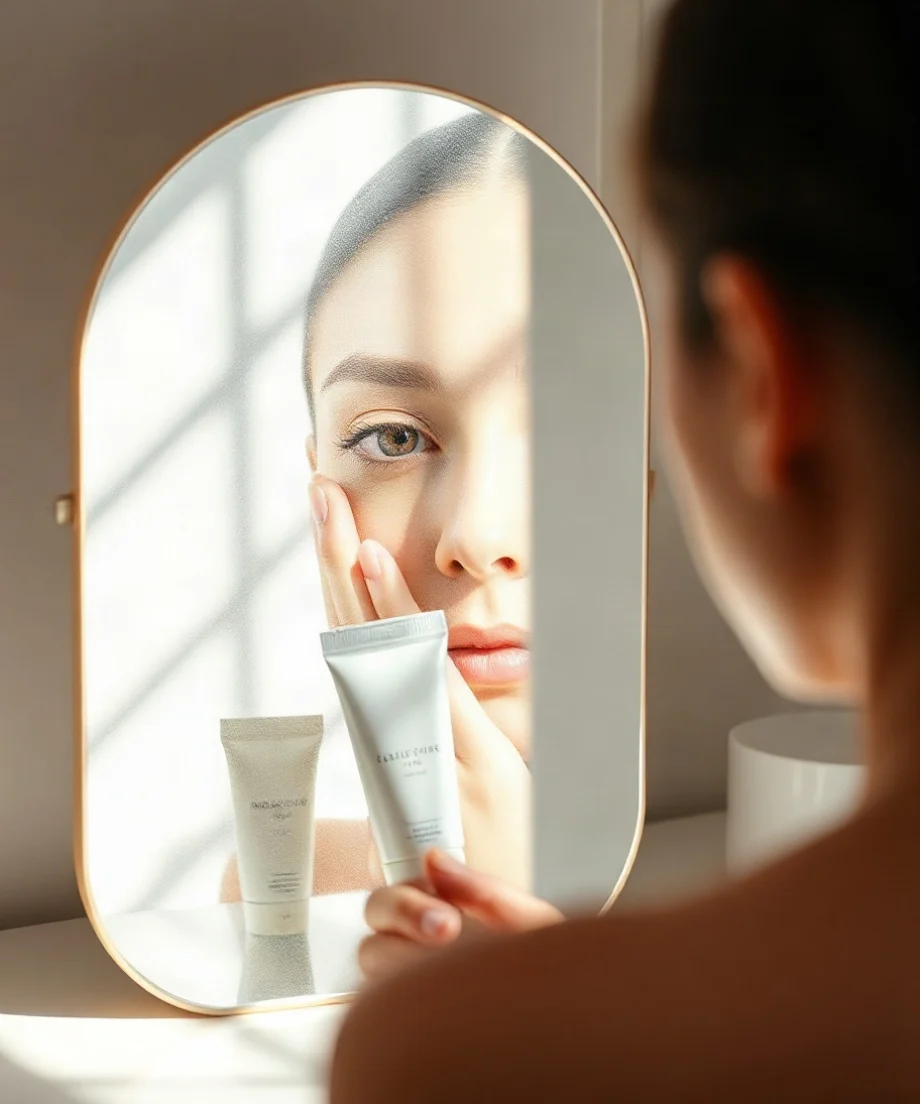
Caffeine eye cream is also not a diagnosis or treatment for an eye condition, allergy, infection, chronic inflammation, or another health problem. New, persistent, painful, or one-sided swelling deserves medical attention rather than experimentation with cosmetic products.
Who may want to skip it
People with irritated or damaged skin
Do not apply a caffeine eye cream to skin that is cracked, raw, peeling, sunburned, or actively stinging. The eye area is thin and easily exposed to rubbing, tears, cleanser, and makeup. Even a product that seems mild elsewhere on the face may feel uncomfortable when the skin barrier is not in good condition.
Wait until the area feels comfortable and looks settled before introducing a new formula. If irritation continues, worsens, or affects the eye itself, discontinue cosmetic products around the area and seek appropriate medical advice.
People with highly reactive or allergy-prone skin
If your skin frequently reacts to new skincare, a caffeine eye cream may not be the best first experiment—especially if the formula contains several unfamiliar ingredients. Caffeine may not be the only possible trigger. Fragrance, essential oils, preservatives, botanical extracts, adhesives from packaging, and other active ingredients can also cause problems for some users.
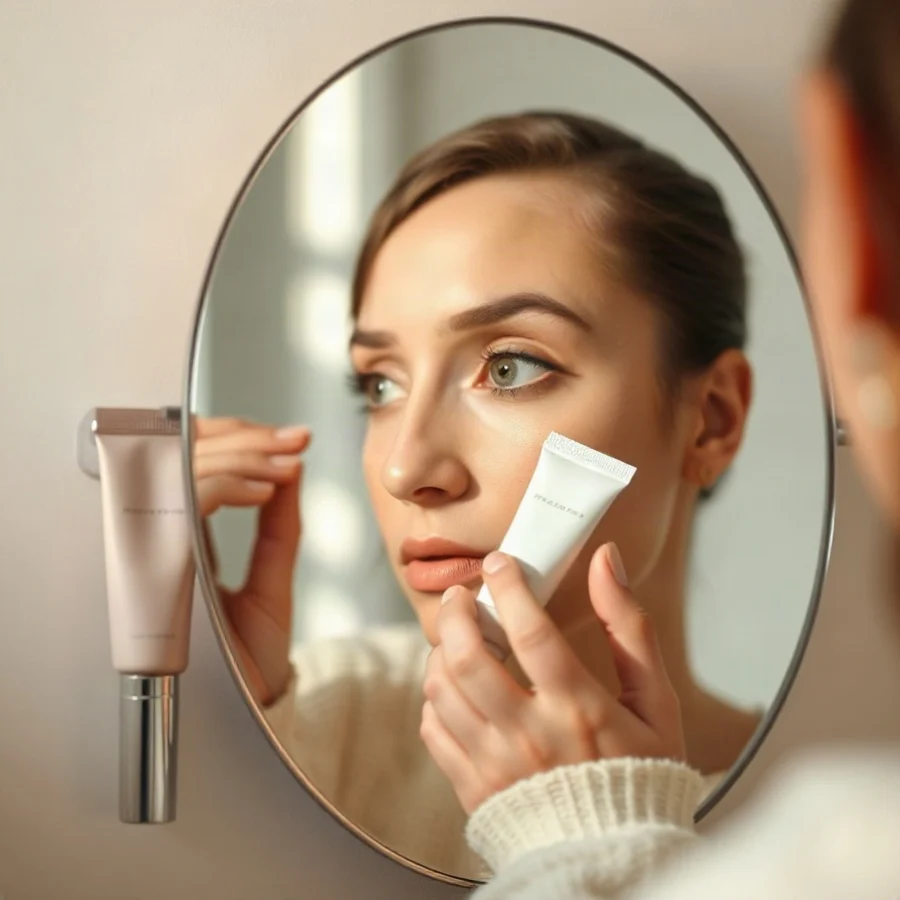
Look beyond the front label and read the current ingredient list. Product formulas can change, so verify the packaging or the manufacturer’s ingredient information before buying or using a product. If you have a history of significant cosmetic reactions, a healthcare professional can help you determine a safer approach.
People with a known sensitivity to an ingredient in the formula
Someone may tolerate caffeine in beverages but react to a different ingredient in a topical product—or may simply find the complete formula irritating. A product labeled “caffeine eye cream” can contain many other components, and the exact formula differs from one product to another.
Do not assume that a familiar brand name or a “clean,” “natural,” or “gentle” description guarantees compatibility. Those marketing terms do not predict how an individual’s skin will respond. Check the full, current ingredient list and avoid any ingredient you already know causes a reaction.
People who are sensitive to stimulating or active-feeling formulas
Some eye products combine caffeine with ingredients such as retinoids, exfoliating acids, vitamin C derivatives, fragrance, or cooling agents. These combinations may be unsuitable for someone who is already using several active products or whose skin becomes dry and uncomfortable easily.
The concern is not that every combination is automatically unsafe. It is that adding multiple actives can make irritation more likely and make it difficult to identify which product caused the reaction. If your routine already includes an active eye product, consider whether you need another one at the same time.
People expecting caffeine to fix hereditary or structural dark circles
Caffeine may be a poor match if your primary concern is a deep shadow from under-eye hollowness, long-standing pigmentation, or a naturally translucent area where blood vessels are more visible. A topical product may improve hydration or the look of puffiness without changing the underlying feature that creates the shadow.
This is not a reason to feel discouraged about your appearance. It is a reason to set a realistic goal. Depending on the concern, a moisturizing product, sunscreen used as directed around the eyes, color-correcting makeup, or professional advice may be more relevant than relying on caffeine alone. Cosmetic products can change the appearance of skin without correcting its anatomy or diagnosing its cause.
When under-eye swelling needs more than skincare
Cosmetic puffiness can occur after sleep disruption, crying, salty meals, allergies, or normal day-to-day changes. However, skincare should not be used to self-treat swelling that is sudden, painful, hot, persistent, associated with discharge, or noticeably different on one side. Changes involving vision, significant redness, or the eye itself also call for prompt professional evaluation.
A caffeine eye cream may make a temporary cosmetic difference, but it cannot determine why swelling is happening. If you are unsure whether a concern is ordinary puffiness or something that needs attention, pause new products and ask a qualified healthcare professional.
How to decide whether to try one
If your skin is calm and your goal is simply to make mild puffiness look less noticeable, you may choose to try a caffeine eye cream cautiously. Start with a small amount and apply it only as directed on the product label. Keep the product on the orbital area recommended by the manufacturer, and avoid getting it into the eyes.
Patch testing can be useful, although a small-area test cannot predict every reaction around the eyes. Introduce one new product at a time so you can identify a possible trigger. Avoid applying it immediately after shaving, exfoliating, or using another product that leaves the skin sensitive.
Stop using the product if you develop burning, persistent redness, itching, a rash, worsening dryness, or swelling. Rinsing the area gently may help remove residue, but continued or severe symptoms should be discussed with a healthcare professional. Do not keep using a product simply because the label describes it as suitable for sensitive skin.
What to look for in a caffeine eye cream
- A short, understandable routine: A simpler formula may be easier to evaluate if your skin is reactive.
- Clear directions: Follow the product’s instructions for amount, frequency, and placement rather than assuming more will work better.
- Avoiding unnecessary irritants: If fragrance or essential oils have caused problems for you before, check whether they appear on the current ingredient list.
- Comfortable hydration: Dryness can make fine lines and shadows look more noticeable, so a well-tolerated moisturizer may be more useful than a highly active formula.
- Current product information: Ingredients and packaging can change. Confirm details on the current package or the manufacturer’s website before use.
Do not choose based only on a large caffeine claim on the front of the package. Without reliable, product-specific evidence, the presence of caffeine does not guarantee a particular visible result. You can learn more about how common eye-area ingredients are used in our eye cream ingredient guide.
Alternatives for different under-eye concerns
If puffiness is your main concern but caffeine does not suit your skin, a cool compress may provide a temporary soothing sensation and a fresher appearance. Use a clean, comfortably cool compress rather than applying ice directly to the skin. Gentle application matters because rubbing can increase discomfort and make the area look more irritated.
If dryness is making the area look crepey, a bland, fragrance-free moisturizer that you already tolerate may be a better starting point. Apply a small amount carefully and keep it away from the eye itself. During the day, use sun protection according to the product’s directions, taking care around the eyes and stopping if it causes stinging.
If fine lines are your priority, you may be considering a retinoid or another active ingredient. These products can be irritating, particularly near the eyes, so follow the label and introduce them cautiously. If you are pregnant, trying to become pregnant, nursing, or managing a skin condition, ask a qualified healthcare professional about ingredients relevant to your situation rather than relying on general skincare advice.
For help matching a concern with a manageable routine, use our under-eye routine builder. You can also browse our guides to eye care for sensitive skin and puffiness and eye bags.
A practical way to set expectations
Think of caffeine eye cream as an optional cosmetic step, not a required treatment and not a universal solution for dark circles. It may be worth trying when your skin is healthy, your main goal is a temporary improvement in the look of mild puffiness, and you can introduce the product without crowding your routine with other actives.
Skip it when the skin is irritated, when you have a known reaction to an ingredient, when the formula contains several triggers for you, or when the appearance of swelling raises a medical concern. The best eye product is not necessarily the one with the most active ingredients. It is the one you can use as directed, tolerate comfortably, and evaluate with realistic expectations.

Comments
0No comments yet. Be the first to share a helpful note or question.
Leave a Comment
Your email address will not be published. Comments are reviewed before appearing on the site.