
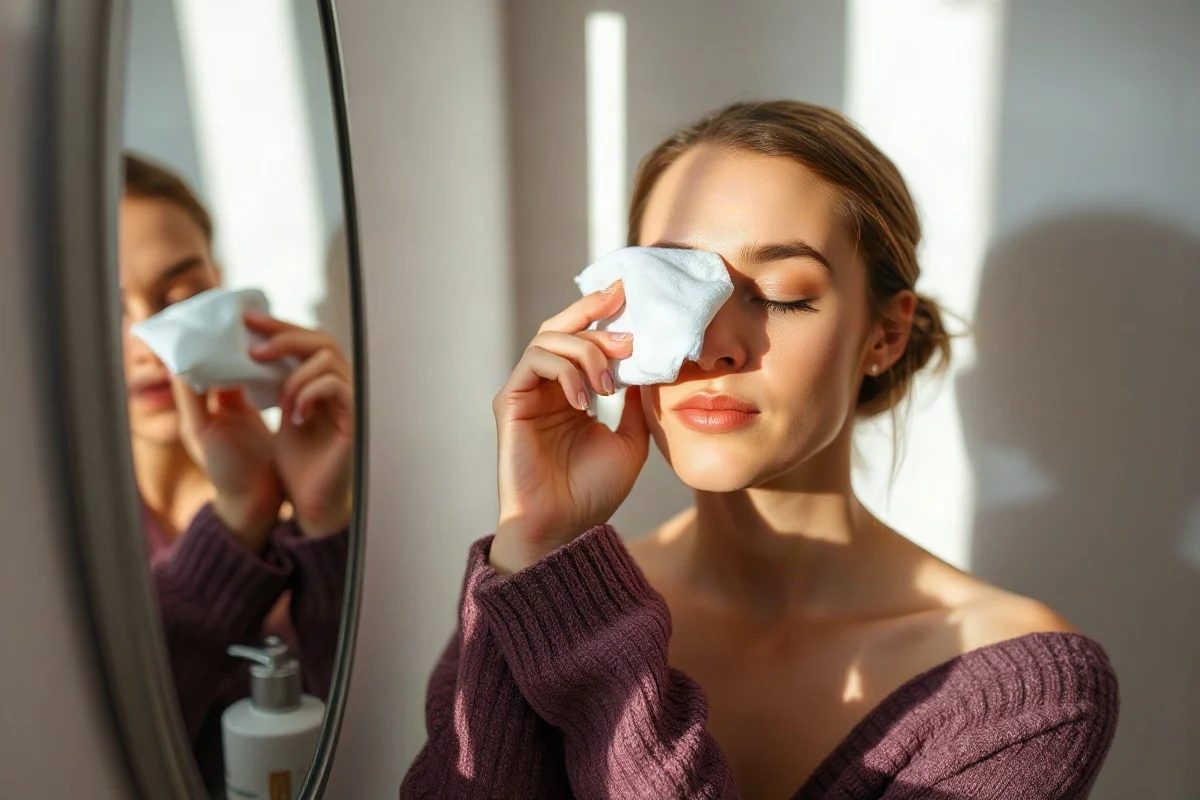
Morning eye puffiness is usually caused by fluid collecting in the delicate tissues around the eyes while you sleep. It can look more noticeable after a salty meal, a short night of sleep, crying, alcohol, seasonal allergies, or sleeping with your head flat. Genetics, natural changes in the skin, and the shape of the eye socket can also make under-eye swelling more visible. In many cases, the appearance gradually improves after you get up and move around, but persistent or unusual swelling deserves medical attention.
This article focuses on cosmetic strategies that may make temporary puffiness look less noticeable. It does not diagnose the cause of swelling or treat an underlying medical condition.
Why puffiness can look worse after sleep
The skin around the eyes is thin and contains a network of small blood vessels and lymphatic channels. When you lie down for several hours, fluid distribution changes. Some of that fluid may remain in the tissues beneath and around the eyes when you first wake up. Normal movement during the day can help the appearance settle, which is why morning puffiness may look less obvious by lunchtime.
Several everyday factors can make this temporary swelling more noticeable:
- Sleep position: Lying completely flat may make fluid collect around the eyes more visibly for some people.
- High-sodium foods: Salt can encourage the body to hold water, although one meal does not explain every instance of puffiness.
- Alcohol: Alcohol can affect hydration and sleep quality, potentially making the eye area look tired or swollen the next morning.
- Insufficient or disrupted sleep: Poor sleep may make puffiness, shadows, and redness appear more pronounced.
- Crying: Tears and rubbing can temporarily increase swelling and irritation.
- Allergens and congestion: Seasonal or indoor allergens may cause watery, itchy eyes and rubbing, both of which can worsen the appearance.
- Genetics and anatomy: Some people naturally have fuller lower eyelids, prominent fat pads, or facial features that cast shadows beneath the eyes.
These factors can overlap. For example, a late night, salty takeout meal, and seasonal allergies may all contribute to a puffier appearance at once.
Morning steps that may reduce the look of puffiness
Use a cool, clean compress
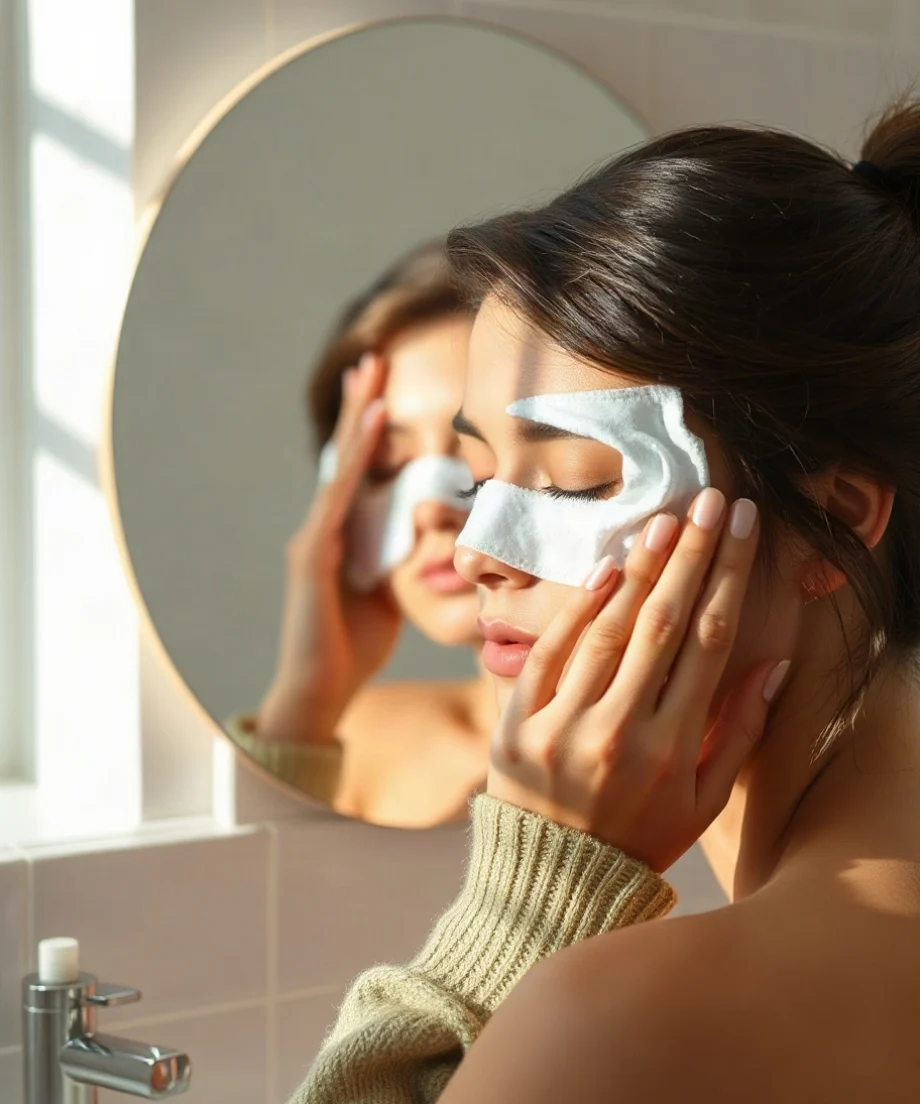
A cool compress can temporarily make the area feel more comfortable and may reduce the appearance of swelling. Use a clean, soft cloth dampened with cool water and rest it gently over closed eyes for a few minutes. Avoid pressing firmly, placing ice directly on the skin, or using anything so cold that it causes discomfort.
Cooling is a short-term cosmetic measure, not a treatment for the cause of persistent swelling. Stop if the skin becomes painful, numb, unusually red, or irritated.
Keep the application gentle
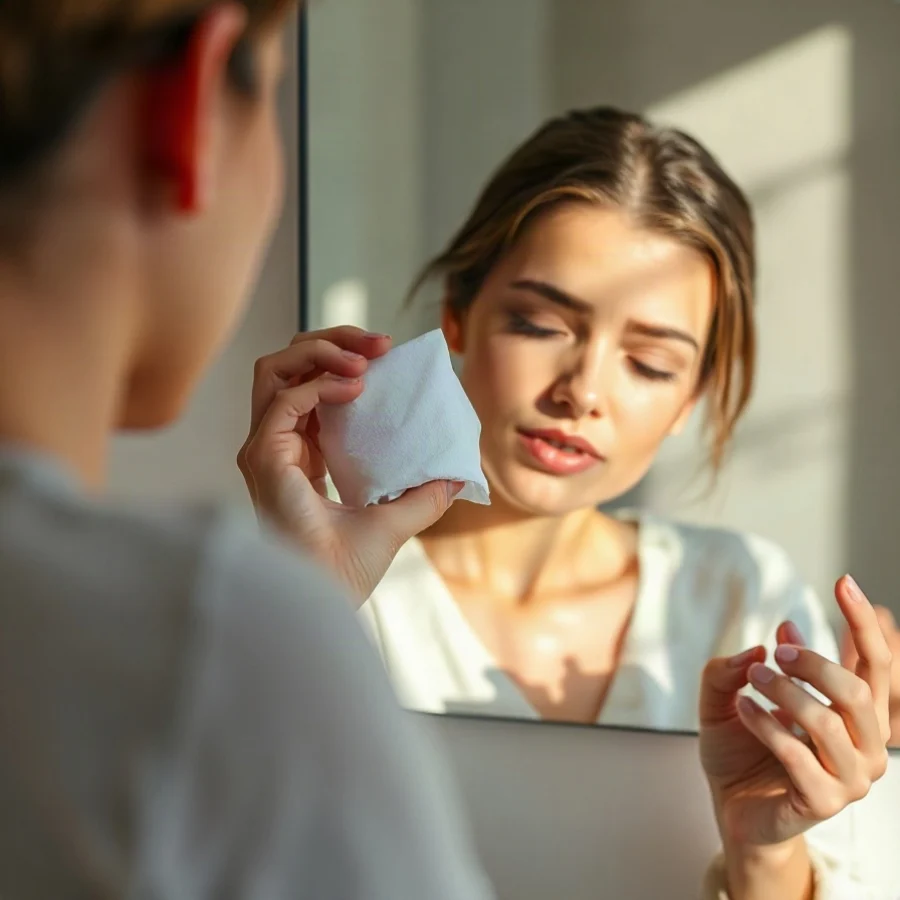
Rubbing, tugging, or massaging forcefully can make the skin look redder and may aggravate irritation. When cleansing or applying moisturizer, use your ring finger or another light touch and pat rather than drag the skin. Remove eye makeup carefully, especially if your eyes are watery or sensitive.
Give your body time to wake up
Getting out of bed and moving normally may help fluid shift away from the face. Drinking water when you are thirsty and returning to a regular sleep schedule can also support general skin comfort. These steps are not guaranteed to change the appearance of eye bags, particularly when genetics or anatomy are major factors.
Consider your sleeping position
Some people find that slightly elevating the head during sleep makes morning puffiness less noticeable. A supportive pillow or a modest change in elevation may be more comfortable than stacking multiple pillows, which can strain the neck. Choose a setup that allows you to breathe comfortably and sleep well.
Ingredients commonly used for a puffy-looking eye area
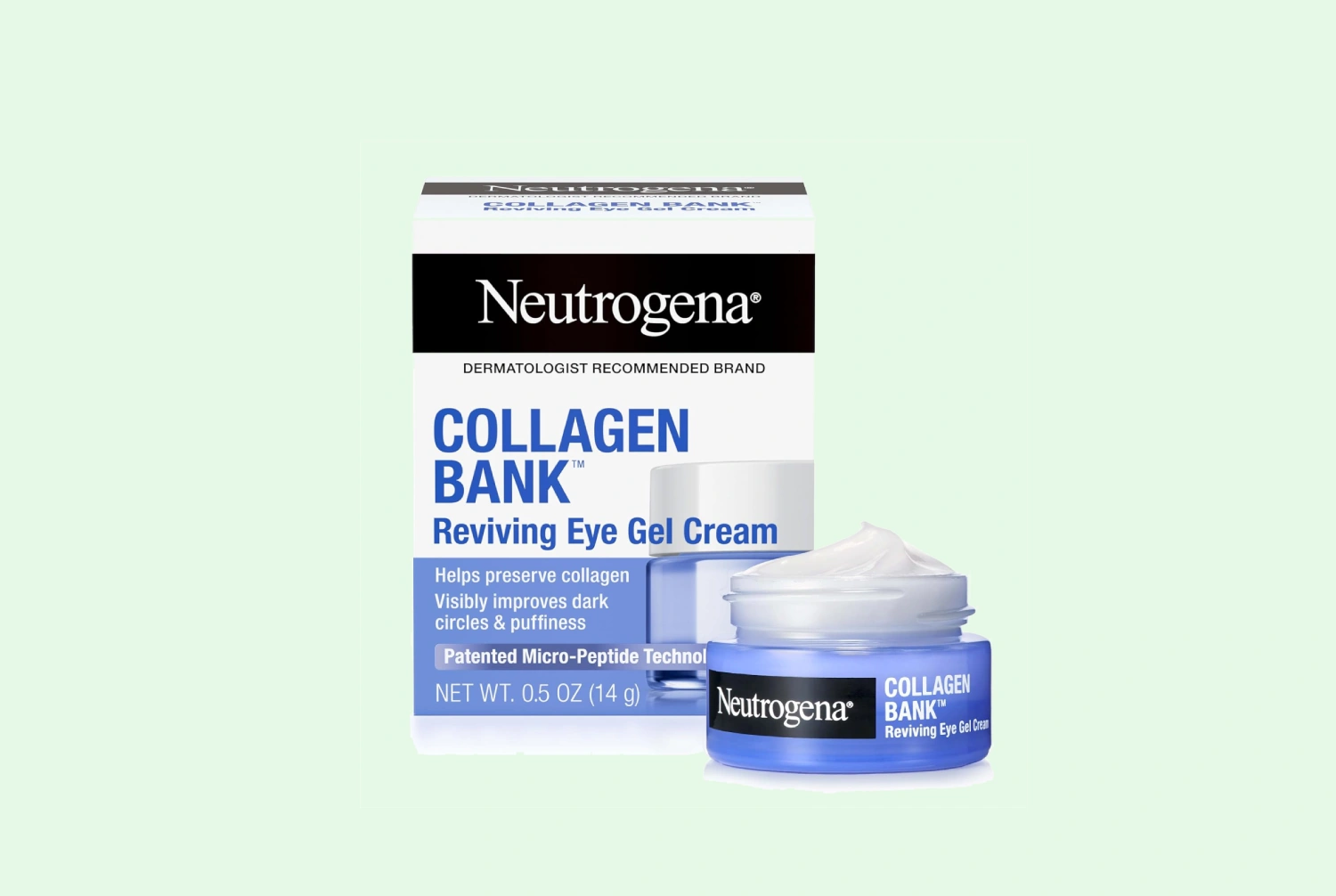
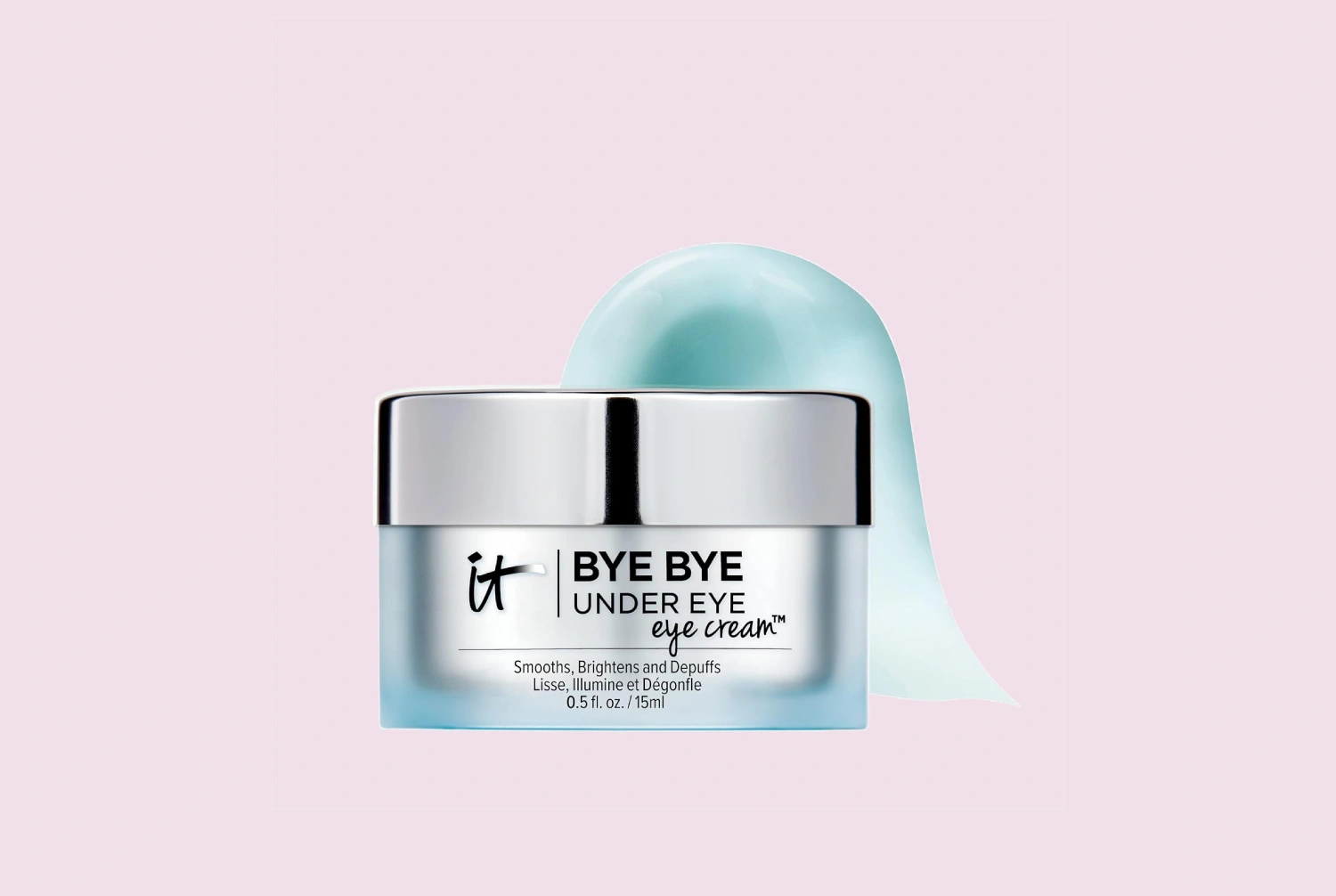
Eye products can support hydration and temporarily improve the appearance of tired-looking skin, but no topical product can change every cause of under-eye swelling. When comparing formulas, think about your main concern, skin sensitivity, and how the product fits into your routine. Our eye cream ingredient guide can help you review common ingredients without treating any one ingredient as a guaranteed solution.
Caffeine
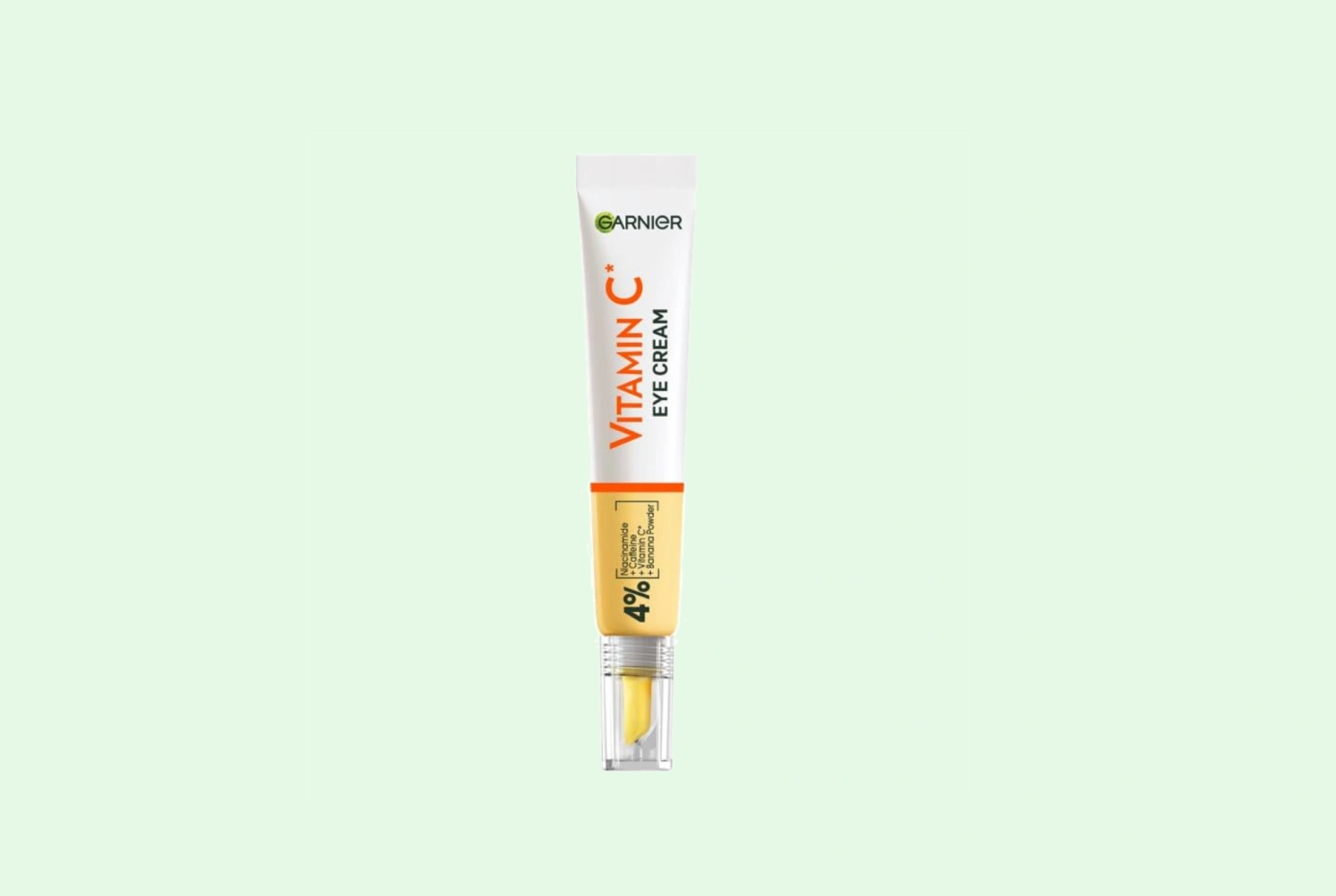
Caffeine is commonly included in products marketed for a tired or puffy-looking eye area. It may provide a temporarily more refreshed appearance for some people, especially when paired with a cool applicator or a lightweight gel texture. Results vary, and a caffeine product will not remove permanent under-eye bags or change inherited anatomy. Review the current ingredient list because formulas can change.
Humectants and skin-supporting moisturizers
Ingredients such as glycerin and hyaluronic acid are used to attract or hold water in the outer layers of skin. Well-hydrated skin may look smoother and less crepey, which can make shadows around the eyes appear softer. Hydration does not necessarily reduce fluid-related swelling, and applying too much product close to the lash line may cause migration into the eyes.
Soothing and barrier-supporting ingredients
Ingredients such as panthenol, ceramides, and some forms of niacinamide may support a comfortable skin barrier, depending on the formula and individual tolerance. They are more relevant to dryness or irritation than to structural eye bags. If you have reactive skin, introduce one new product at a time and follow the label directions.
Retinoids and other active ingredients
Retinoid products are often discussed for the appearance of fine lines and uneven texture rather than immediate morning puffiness. They can be irritating, especially around the eyes, so use only a product labeled for that area and follow its instructions. Start cautiously if the label allows, avoid applying too close to the eyes, and stop using it if burning, significant redness, swelling, or peeling develops. Read more about considerations for retinol eye creams.
Vitamin C and exfoliating acids may also appear in eye products, but “stronger” does not automatically mean better. The skin around the eyes can be particularly sensitive. Avoid combining multiple potentially irritating actives at once unless you already know your skin tolerates the routine.
How to choose an eye product for morning puffiness
Look for a formula that matches your actual concern rather than choosing based only on a prominent marketing ingredient. A lightweight gel may feel more comfortable in the morning, while a creamier texture may suit dry skin. If makeup is part of your routine, consider whether the product absorbs cleanly and whether it tends to pill under concealer.
Check the complete current ingredient list on the package or the manufacturer’s website before buying. Product formulas, instructions, and packaging can change. Be cautious with fragrance and essential oils if your eyes or surrounding skin are easily irritated. Avoid applying products directly into the eye or onto broken skin.
Patch testing can be useful, but the skin near the eyes may react differently from other areas. Follow the product’s directions, introduce it gradually when appropriate, and discontinue use if irritation occurs. If you are unsure how to build a routine, the under-eye routine builder can help organize basic product choices by concern and skin type.
Why an eye cream may not change permanent eye bags
“Puffy eyes” can describe several different cosmetic concerns. Temporary fluid retention may improve during the day, while persistent fullness may relate to inherited anatomy, changes in the supporting tissues, or the natural aging process. A topical product may moisturize the surface or make the area look temporarily smoother, but it cannot reliably reposition tissue or remove a fat pad.
Shadows can also be mistaken for swelling. Hollowing beneath the eyes, darker pigmentation, visible blood vessels, and the angle of overhead lighting may all create a tired appearance. For more background on how different concerns can overlap, see our guide to dark circles.
When morning eye swelling may need medical attention
Occasional, mild puffiness that fades during the day is often a cosmetic concern. However, do not assume every type of swelling is harmless. Contact a qualified health professional if swelling is persistent, severe, painful, rapidly worsening, or clearly limited to one eye. Medical advice is also important if you notice vision changes, significant redness, warmth, discharge, a rash, fever, facial swelling elsewhere, breathing difficulty, or swelling after a new medication or possible allergen.
Recurring puffiness accompanied by intense itching, congestion, or other allergy symptoms may also warrant professional guidance. A clinician can evaluate symptoms and determine whether an allergy, infection, medication reaction, or another health issue may be involved. Cosmetic eye creams are not substitutes for diagnosis or treatment.
A realistic morning routine
- Cleanse gently or rinse with cool water if your skin feels comfortable without a full cleanse.
- Apply a clean, cool compress for a few minutes if temporary swelling is your main concern.
- Use a small amount of a gentle, eye-area-appropriate moisturizer, keeping it away from the lash line.
- Apply broad-spectrum sunscreen to the surrounding facial skin as directed, taking care to avoid direct contact with the eyes.
- Do not rub, layer several new actives, or use a product that causes stinging.
Tracking patterns can be more useful than changing products every few days. Note whether puffiness follows poor sleep, certain meals, alcohol, crying, new cosmetics, or allergy symptoms. If the appearance remains unchanged despite routine adjustments, genetics or anatomy may play a larger role than a skincare product can address.

Comments
0No comments yet. Be the first to share a helpful note or question.
Leave a Comment
Your email address will not be published. Comments are reviewed before appearing on the site.