
Concealer settles into under-eye lines because the area is naturally textured and mobile, while concealer can collect in its creases as it dries, moves, or mixes with skincare and makeup underneath. Dryness, excess eye cream, heavy layers, and an overly creamy or emollient formula can make the effect more noticeable. You may not be able to prevent every crease, but the right amount of hydration, a thinner application, careful placement, and a brief setting step can help the makeup look more even.
This is a cosmetic makeup concern, not necessarily a sign of a skin problem. Fine lines are a normal part of facial movement and skin texture. Concealer can soften the appearance of discoloration, but it cannot change the underlying structure of the skin or permanently remove lines. If the area is painful, persistently irritated, swollen, or changing in a way that concerns you, consider seeking advice from a qualified health professional rather than trying to correct it with makeup.
Why the under-eye area creases
The skin around the eyes bends whenever you blink, smile, squint, or move your face. A product placed on that moving surface will eventually shift to some degree. When pigment and emollients collect in a natural fold, the line may look darker or more defined, even if the skin itself has not changed.
Under-eye skin also has less room for product than larger areas of the face. Applying a thick layer to cover discoloration may seem logical, but excess makeup has more material to gather in creases. A full-coverage formula can therefore look less smooth than a lighter layer used only where you need it.
Texture can be more visible when the skin is dehydrated or flaky. Dehydration is a temporary condition in which the outer layer may not hold water comfortably; it is not the same thing as a medical diagnosis. Dry-looking texture can make concealer catch on small areas and separate as the day continues.
Common reasons concealer settles into lines
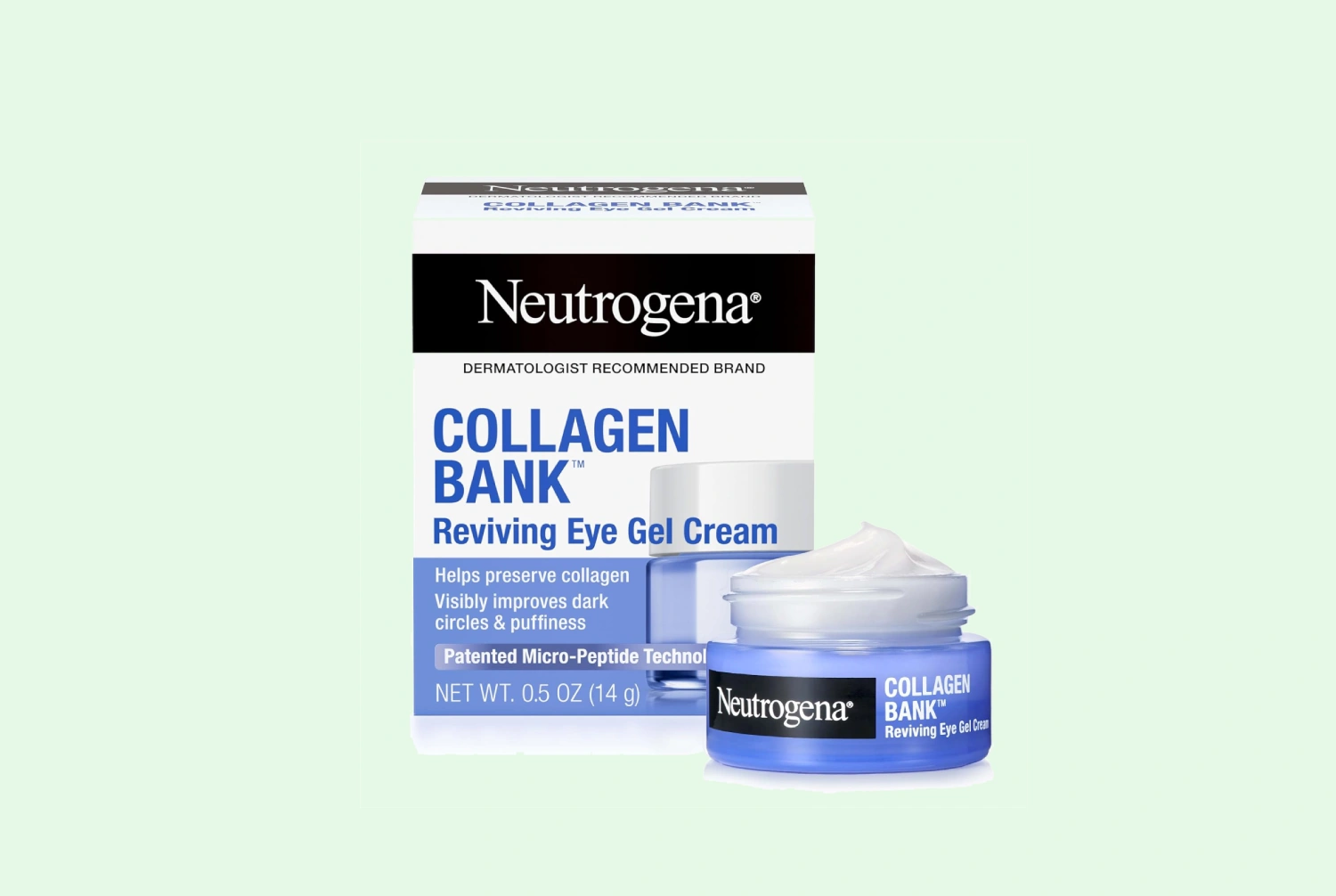
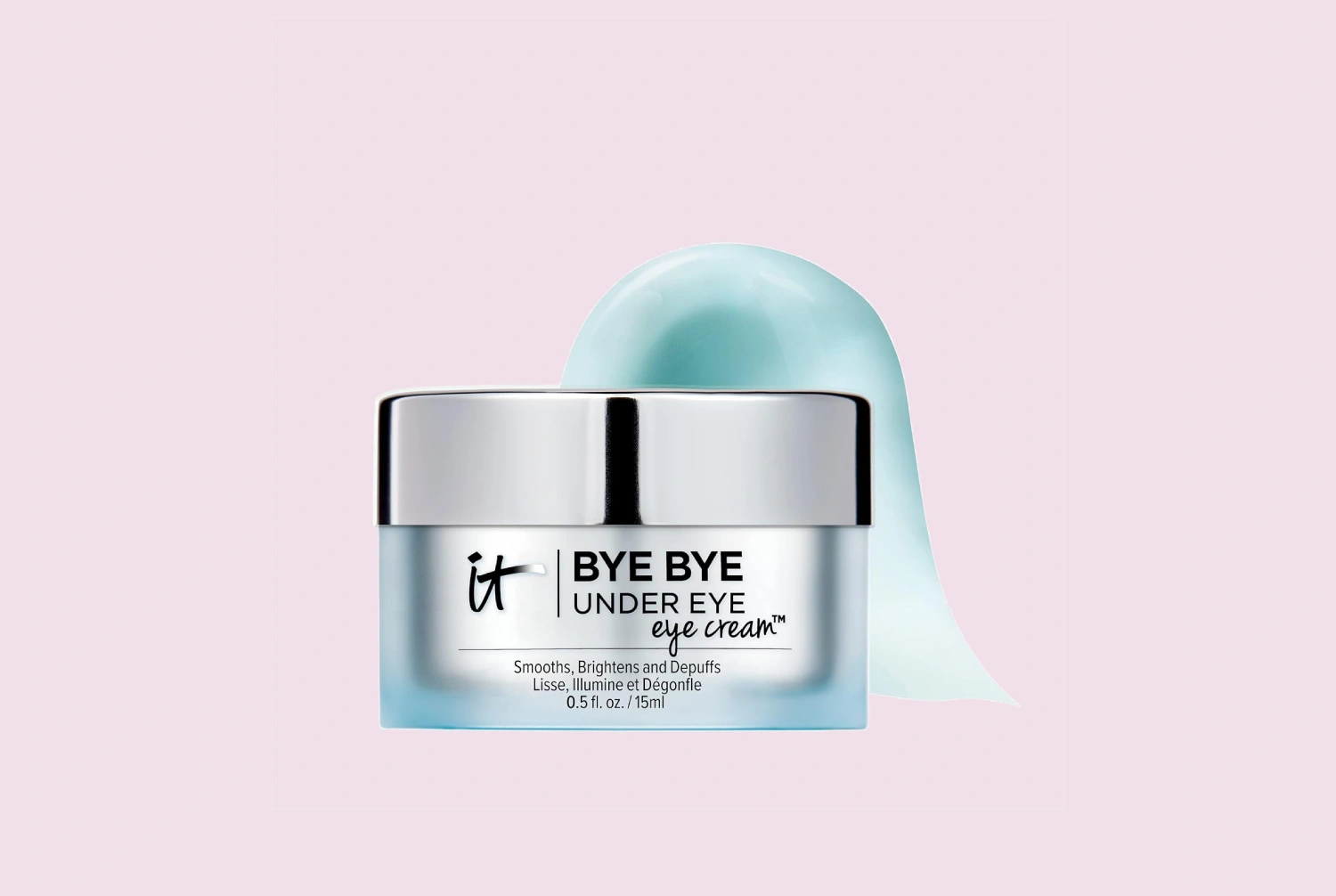
Too much eye cream or moisturizer
Skincare is useful for creating a comfortable makeup base, but more is not always better. A generous layer of eye cream can leave a slippery film that prevents concealer from gripping evenly. The product may remain movable for longer, allowing it to migrate into lines when you blink.
Try using a small amount of moisturizer and allowing it time to absorb before applying makeup. If the surface still feels wet or slick, gently press away excess with a clean tissue or fingertip. Avoid rubbing, since friction can make the area look more irritated and can disturb the skincare layer.
The concealer is too thick or too emollient for your skin
Concealers vary in finish, coverage, flexibility, and texture. A rich formula may work well for someone with very dry skin but look heavy on another person, especially when layered over a luminous eye cream. A fast-drying matte formula may reduce movement for some people but emphasize flaking or fine texture for others.
There is no single best concealer texture for everyone. Look for a formula that gives the amount of coverage you need without requiring repeated layers. Because formulas can change, check the current packaging and manufacturer ingredient list when specific ingredients or product details matter.
The shade or coverage is doing too much work
When under-eye discoloration is noticeable, it is tempting to use a very opaque, bright concealer across the entire area. This can create a thick, contrasting layer that makes texture easier to see. It may also look gray, pale, or noticeably different from the surrounding skin if the shade is not well matched.
A more natural approach is to apply a thin layer where darkness is most visible, often near the inner corner or along the lower shadow, and blend the edges outward. You can add a small amount only where needed instead of covering every millimeter beneath the eye.
Powder is being applied too heavily
Powder can help reduce shine and hold makeup in place, but too much can settle into lines and make the area look dry. A thick layer may also interact poorly with a creamy concealer, creating a visibly textured finish.
If you use powder, choose a small amount and press it lightly rather than sweeping repeatedly across the skin. Some people prefer leaving the most lined part of the under-eye area unpowdered and setting only the regions where makeup tends to move. This is a cosmetic preference, so adjust based on how your makeup looks in natural light.
How to apply concealer for a smoother appearance
Start with a simple, compatible base
Cleanse gently if needed, apply a modest amount of eye-area moisturizer, and wait briefly before makeup. Avoid introducing several new products at once, since it becomes difficult to identify what is causing pilling, stinging, or excess slip.
If you have sensitive skin, follow each product's label and consider patch testing new skincare as directed. Keep products away from the eye itself unless the label specifically says they are intended for that area. Stop using a product if it causes persistent burning, redness, itching, or other irritation.
Use less product than you think you need
Place a few small dots of concealer rather than drawing a thick stripe. Concentrate coverage on visible discoloration and leave areas with little discoloration mostly bare. A small brush, fingertip, or makeup sponge can work; the key is using a light touch and avoiding repeated rubbing.
Blend the outer edges first, then softly tap through the center. Do not automatically bring a full layer into the deepest lines. If concealer has already gathered there, use a clean fingertip or a small brush to lift away the excess before setting the rest.
Give the product a short settling period
Before powder, look closely and remove any product that has collected in a crease. This step matters because setting concealer after it has already settled can lock the fold in place. You do not need to wait until the makeup feels completely dry; simply check the moving lines after the formula has had a moment to sit.
Set selectively
Use the smallest amount of finely milled powder that gives you the hold you want. Press, do not scrub. If powder makes your under-eyes look more lined, try using less or skipping it in the most textured area. A setting spray may help some makeup routines, but it is not a guaranteed solution and can irritate sensitive skin depending on the formula.
Skincare choices that may affect makeup texture
Consistent, gentle hydration may make the skin look more comfortable and reduce the appearance of flaky texture, but an eye cream cannot guarantee a crease-free makeup result. Ingredients such as humectants, emollients, and occlusives can support different aspects of skin comfort, yet the final feel depends on the whole formula and how much you apply. Learn more about evaluating eye-area ingredients in our eye cream ingredient guide.
Active ingredients deserve extra caution near the eyes. Products containing retinoids, exfoliating acids, or other potentially irritating ingredients may not suit everyone, and eye-area tolerance varies. Follow the label, introduce one new active at a time, and avoid applying it too close to the eyes unless the product is specifically intended for that use. If irritation develops, stop using the product and allow the area to recover. Cosmetic skincare should not be used to diagnose or treat a skin condition.
In the morning, sunscreen on the surrounding face can be part of a broader routine for protecting exposed skin, but keep it out of the eyes and follow the product directions. Sunscreen does not function as a concealer and will not immediately change the appearance of existing lines.
How skin type and environment can change the result
Dry skin may show flakes and fine texture more readily, particularly in cold, dry, or windy conditions. A comfortable moisturizer may help, but a heavy layer immediately beneath concealer can create its own creasing problem. Those with oily or combination skin may notice more movement because of sebum, sweat, or a richer eye product. Humid weather can also make some formulas feel less stable.
Mature skin may have more visible lines and a different balance of dryness, oil, and elasticity than younger skin. That does not mean makeup must look heavy or that every line needs to be covered. A flexible, lighter layer often looks more natural than maximum coverage applied everywhere. For routine ideas based on your preferences, you can use the site's under-eye routine builder.
What to look for when choosing a concealer
- A workable coverage level: Choose enough coverage for the discoloration you want to soften, not necessarily the highest coverage available.
- A comfortable finish: Consider whether your skin looks better with a natural, satin, or softly matte finish, and remember that a very matte texture can emphasize dryness.
- Flexible wear: A formula that remains comfortable as you move may look less stark in fine lines than one that becomes visibly dry or thick.
- A suitable shade: Match the surrounding skin or use a subtle correcting approach rather than relying on a very bright shade to hide darkness.
- A manageable ingredient list: If you are sensitive, check the current label and avoid products that have previously caused discomfort.
Product names and formulas are not permanent. Before buying or using a specific concealer or eye cream, verify the current packaging and manufacturer's ingredient information. A product's marketing language is not a substitute for checking whether its texture and ingredients suit your preferences.
When creasing is not the main makeup problem
Sometimes the issue is not simply concealer settling. Flaking, burning, intense itching, persistent redness, or swelling may indicate that the skin is reacting to something. Makeup can camouflage appearance temporarily, but it does not identify the cause or provide medical treatment. Stop using a product that causes irritation and seek professional guidance if symptoms do not improve or if you are concerned.
For ordinary cosmetic creasing, the most reliable strategy is usually modest: use less skincare immediately before makeup, choose a compatible concealer, apply targeted coverage, remove excess from the folds, and set sparingly. Lines may still become visible as you smile and blink, and that is a normal limitation of makeup on moving skin. The goal is not a permanently line-free under-eye area; it is a comfortable, balanced finish that does not require excessive product.

Comments
0No comments yet. Be the first to share a helpful note or question.
Leave a Comment
Your email address will not be published. Comments are reviewed before appearing on the site.