
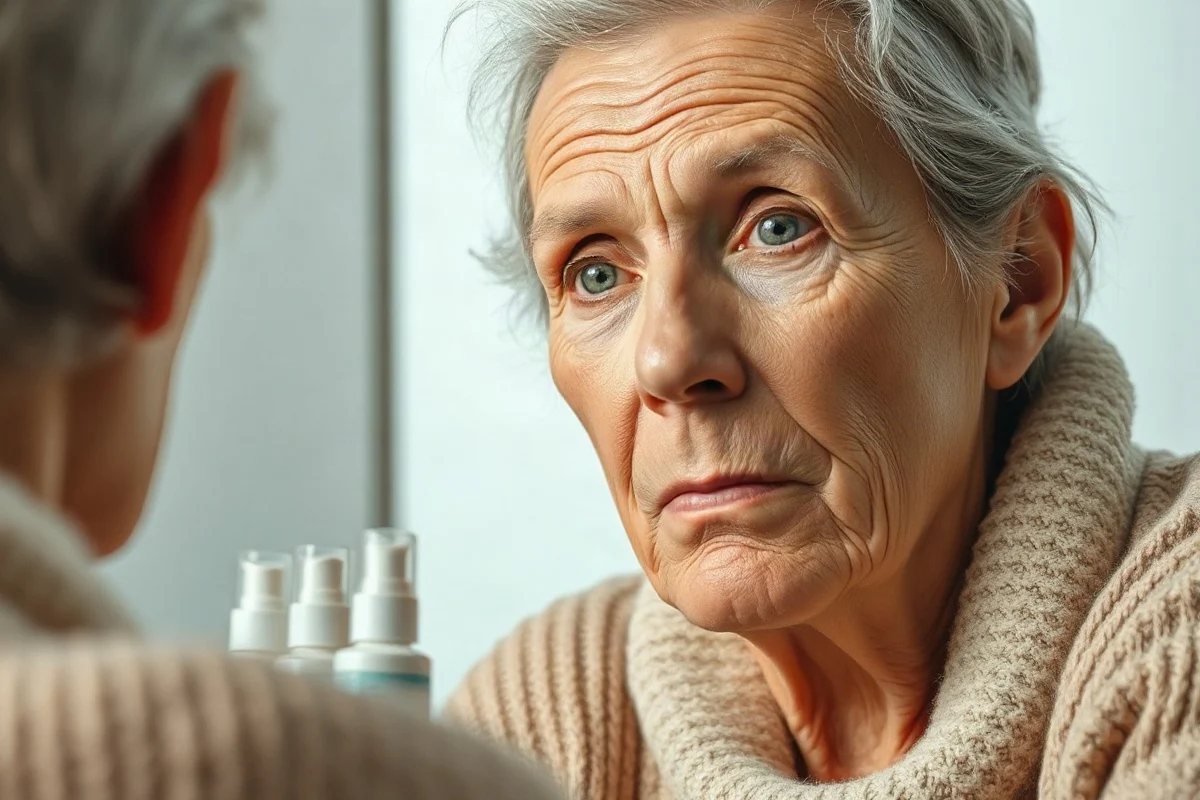
Under-eye bags often become more visible with age because the skin gradually loses some firmness and elasticity, the tissues supporting the lower eyelid change, and fat beneath the eyes can become more noticeable. Repeated fluid retention, dryness, fine lines, and changes in the way light falls across the area may add to the effect. Skincare can sometimes improve the look of puffiness, texture, or dehydration, but an eye cream cannot permanently remove age-related under-eye bags.
What changes around the eyes as you age?
The skin beneath the eyes is thin and constantly exposed to movement from blinking, squinting, smiling, and facial expression. Over time, several normal changes can make the lower eyelid area look less smooth or more shadowed.
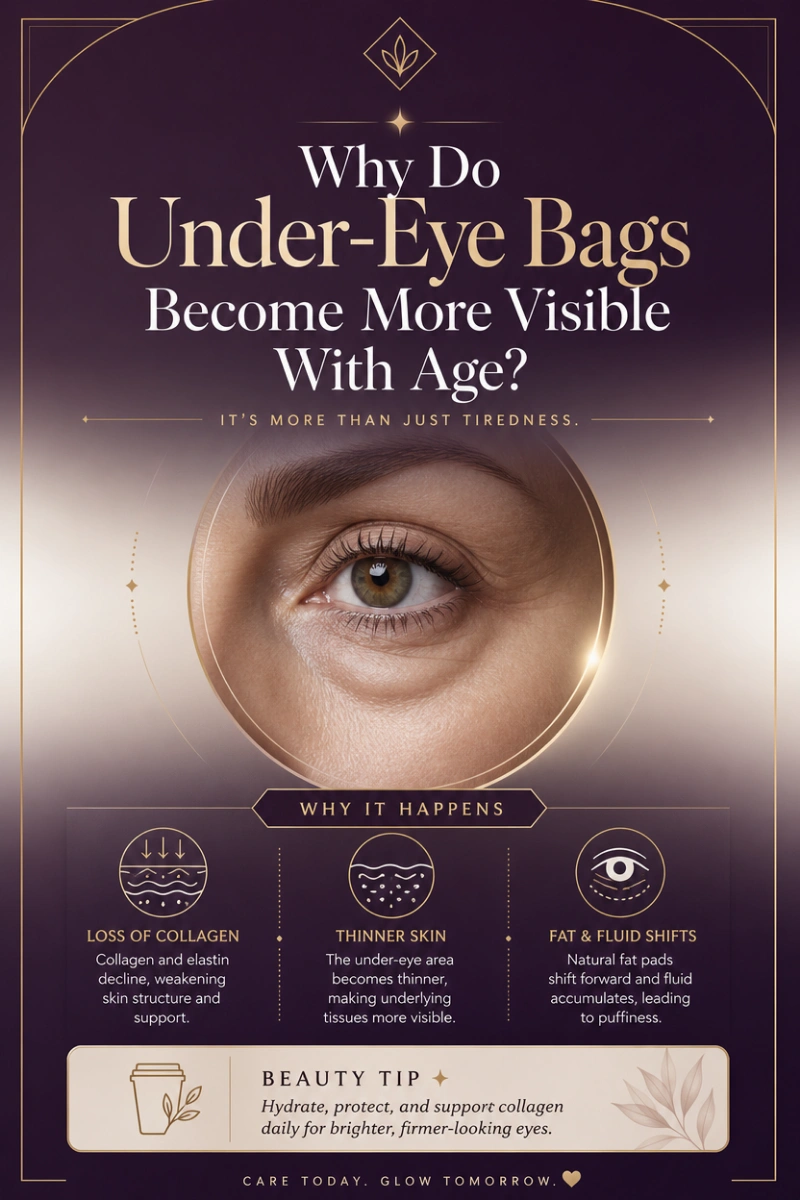
Reduced skin firmness
Skin support changes gradually with age. As the skin becomes less resilient, it may not lie as closely against the underlying structures. A small amount of looseness can create a fold or make an existing bulge appear more defined.
This does not mean that every visible bag is caused by loose skin alone. Under-eye appearance is influenced by anatomy, genetics, sun exposure, facial movement, sleep, allergies, and daily fluid shifts. Two people of the same age may have very different lower eyelid contours.
Changes in the lower eyelid fat compartments
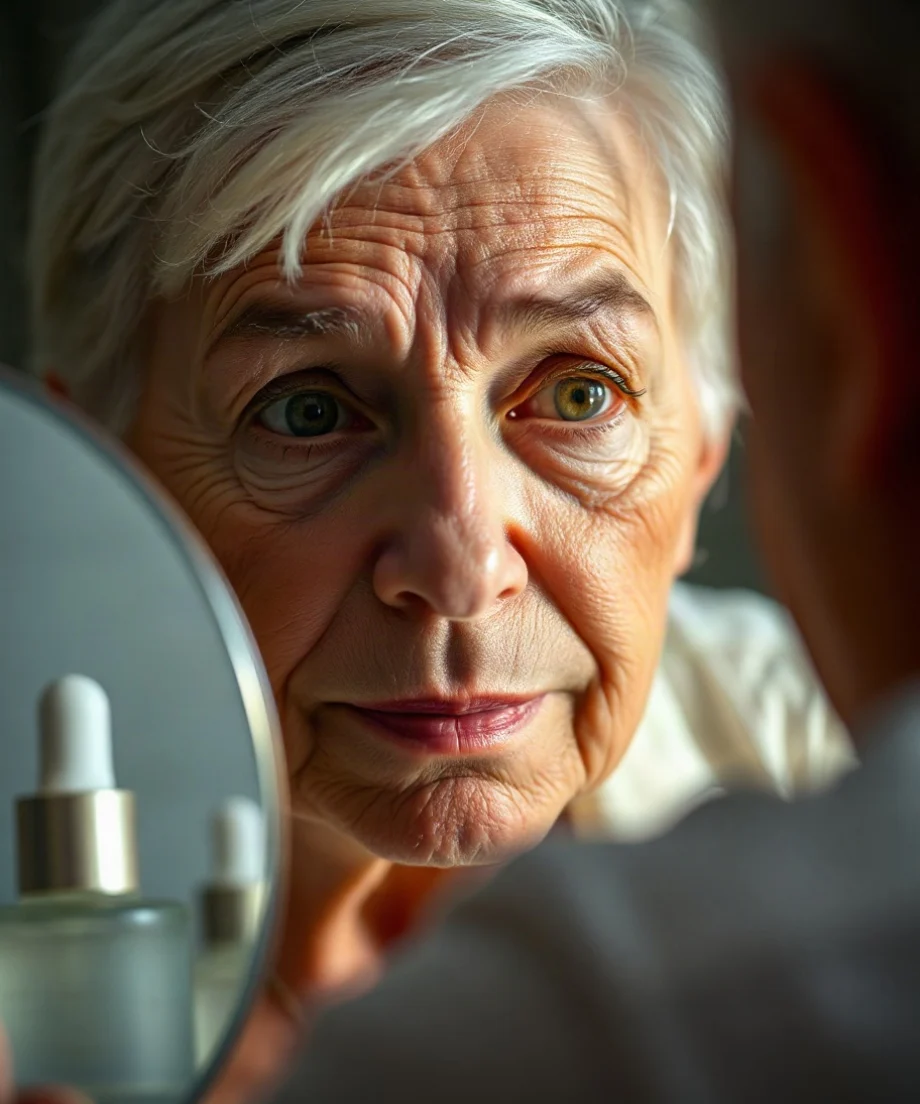
Natural fat beneath the eyes helps cushion and support the area. With age, the tissues that hold this fat in place may change. Fat can become more prominent beneath the lower eyelid, creating a rounded appearance that may be visible even when you have slept well.
This type of structural fullness is different from temporary morning puffiness. A cooling product or a caffeine-containing formula may make short-term swelling look less noticeable for some people, but topical skincare cannot reposition underlying fat or change the basic shape of the eye socket.
More noticeable shadows and hollows
Under-eye bags and hollows can occur together. A hollow beside or beneath a bulge may create a shadow, making the bag look larger than it is. Changes in pigmentation can add another layer of darkness, while fine lines may break up the way light reflects from the skin.
This is one reason a person may describe the problem as “bags” even when the visible concern includes puffiness, a hollow, dark discoloration, or a combination of all three. Identifying the dominant appearance can help you choose more realistic skincare goals. Our guide to dark circles covers the different ways under-eye darkness can appear.
Why do under-eye bags look worse in the morning?
Overnight, lying down can affect the movement of fluid in the face. Saltier meals, alcohol, crying, poor sleep, seasonal allergies, and rubbing the eyes may also make temporary puffiness more noticeable. These factors can affect people of any age, but looser skin and a more pronounced lower eyelid contour may make the change easier to see later in life.
Morning puffiness that gradually improves during the day may have a stronger fluid-retention component than fullness that looks similar from morning to night. This is not a way to diagnose the cause, but observing when puffiness appears can help you decide whether your routine should focus on gentle de-puffing, hydration, or both.
Can eye cream reduce the appearance of age-related bags?
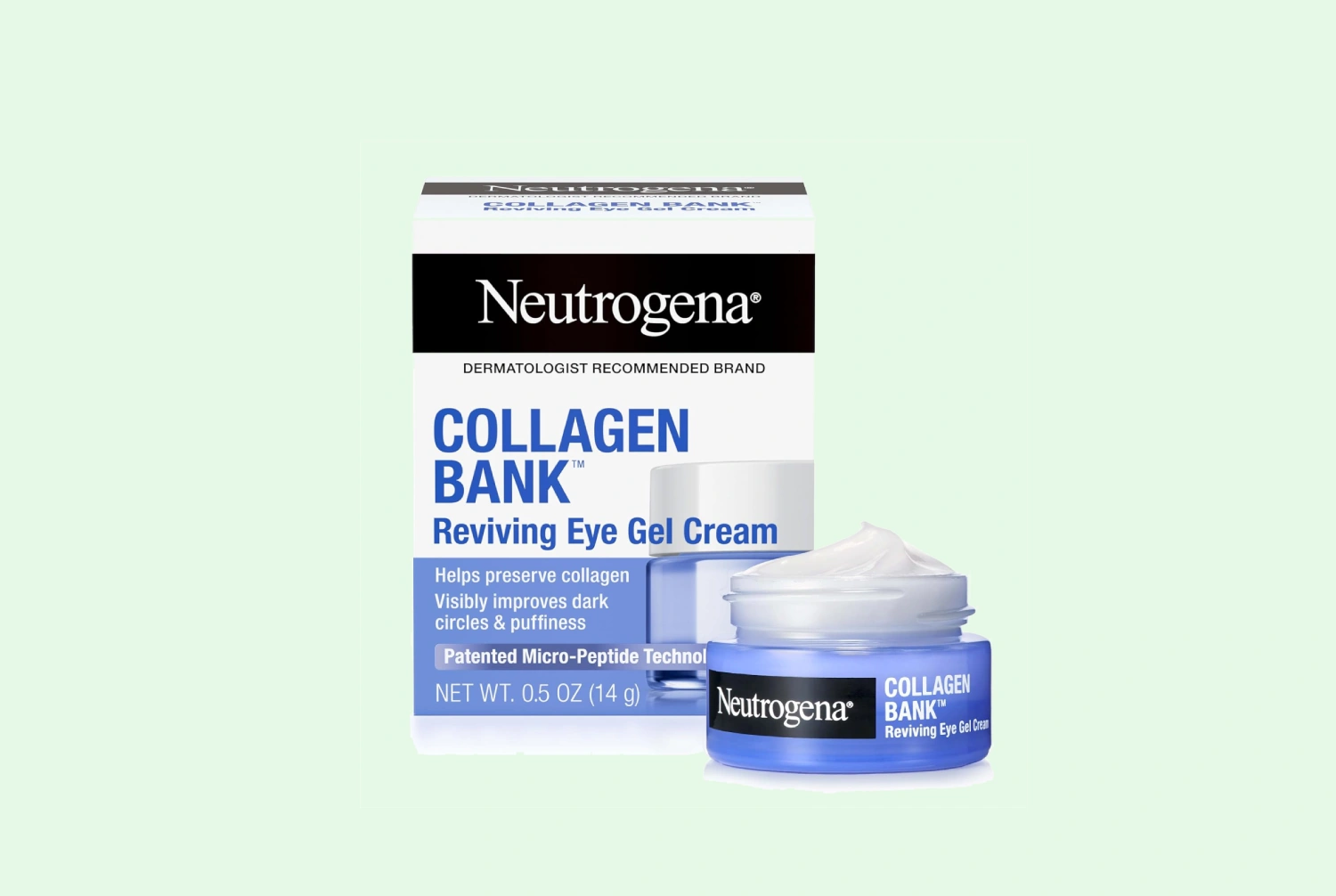
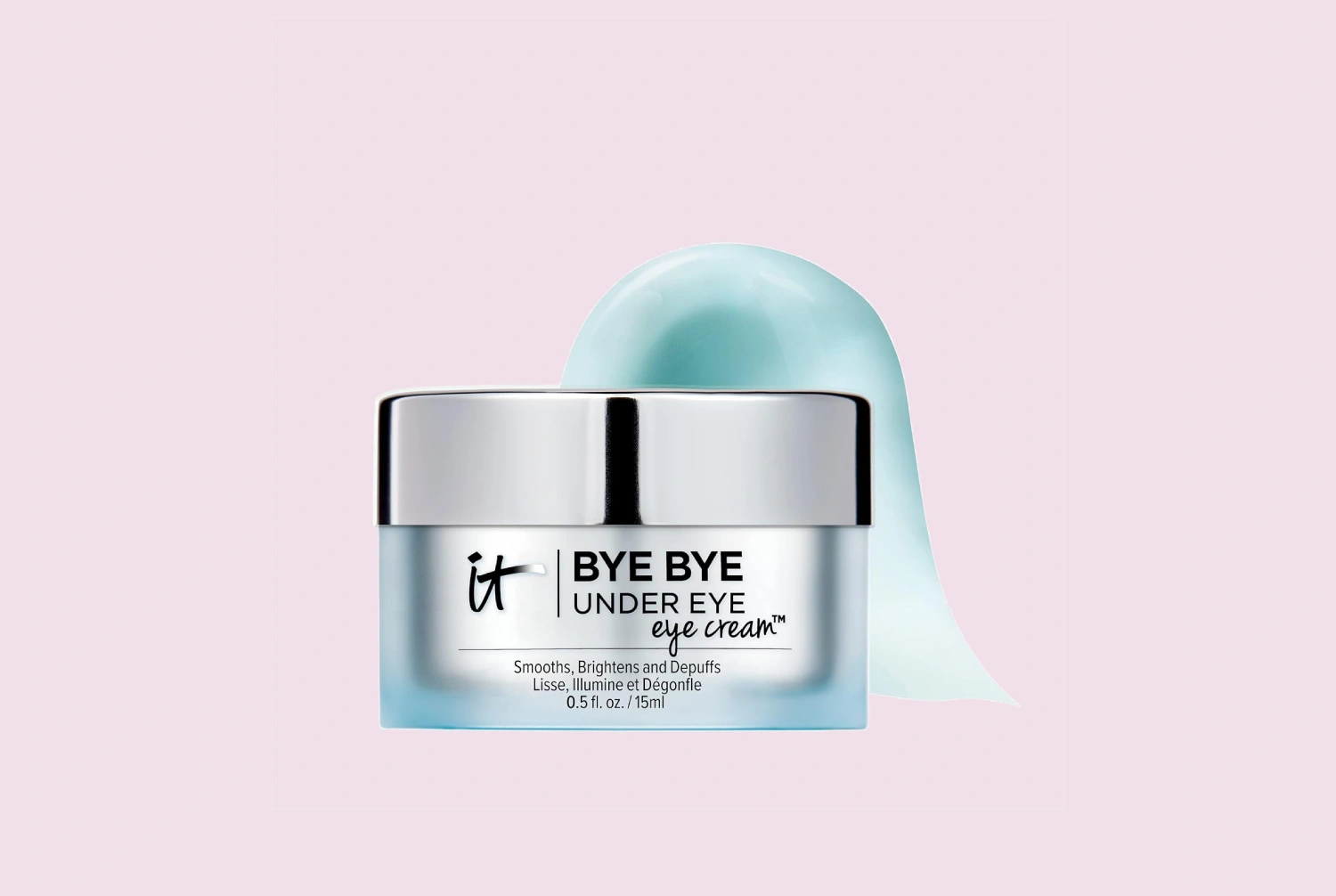
Some eye creams may temporarily improve the appearance of puffiness or make the skin look smoother and more hydrated. The result depends on the product, the condition of your skin, the cause of the visible fullness, and how consistently you use it. Any improvement should be understood as cosmetic and appearance-focused rather than a permanent change to eyelid structure.
Caffeine
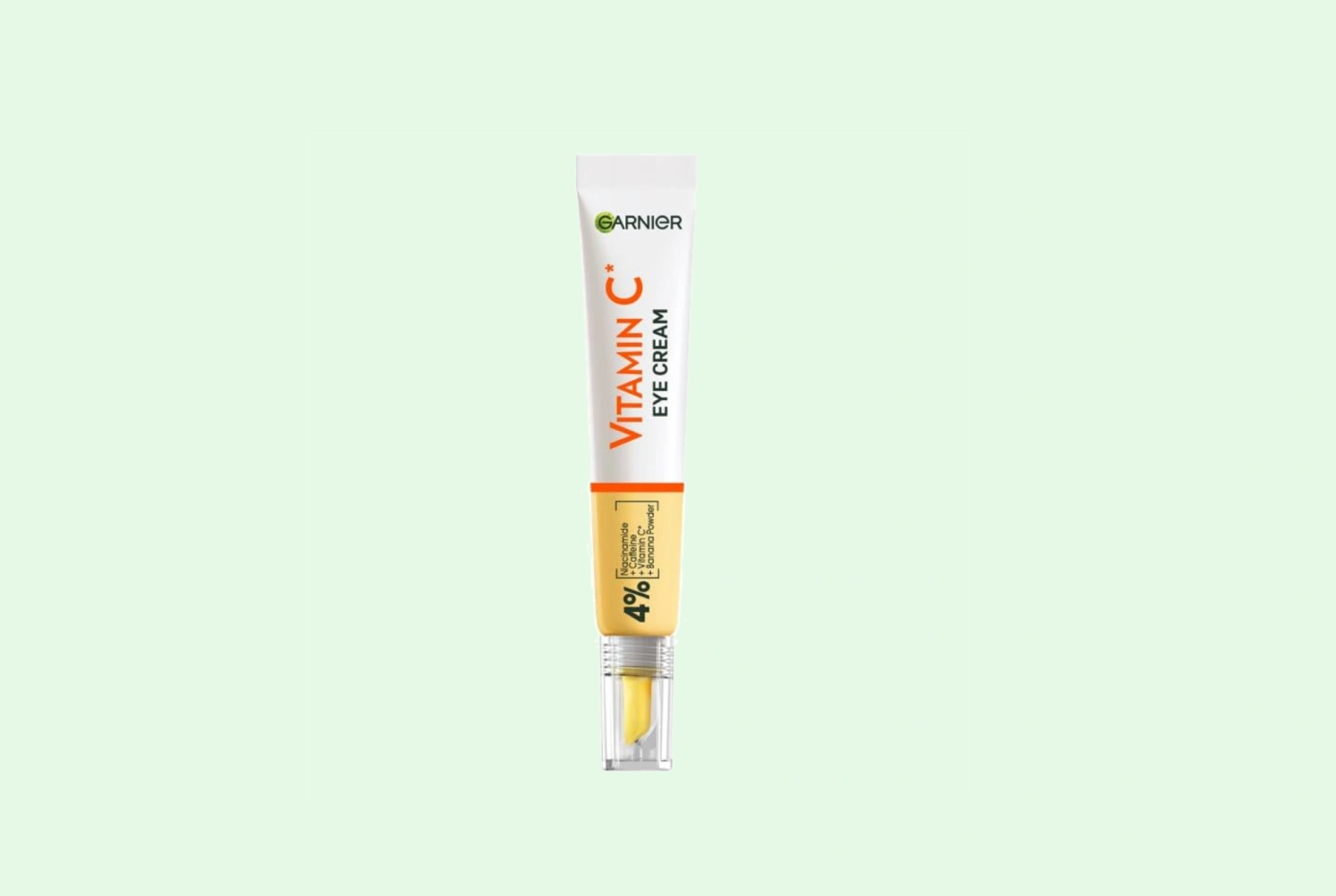
Caffeine is commonly used in products designed for the appearance of puffy eyes. It may provide a temporarily refreshed look for some users, especially when morning puffiness is part of the concern. Results are not guaranteed, and caffeine cannot address loose skin or a persistent fat bulge.
If you want to compare product types, our overview of caffeine eye cream explains what to consider without assuming that every formula works the same way.
Humectants and barrier-supporting ingredients
Ingredients such as glycerin, hyaluronic acid, and other humectants can help attract water to the outer layers of skin. Moisturized skin may look temporarily plumper and less creased, which can soften the appearance of fine lines around a bag.
Barrier-supporting ingredients, including ceramides and some emollients, may help reduce the look of dryness by limiting moisture loss. This can make the area look more comfortable and even, but hydration does not remove a structural bulge.
Retinoids and other texture-focused actives
Retinoid products are often chosen to support smoother-looking skin and address the appearance of fine lines over time. The eye area can be especially sensitive, so a product made for the eye area should be used according to its label. Apply only as directed, avoid getting it in the eye, and introduce potentially irritating products cautiously.
Retinoids are not appropriate for everyone, and irritation can make the under-eye area look temporarily worse. If burning, persistent redness, swelling, peeling, or discomfort develops, stop using the product and seek professional guidance if symptoms do not settle. Our guide to retinol eye cream offers more considerations for choosing and using this category.
Antioxidants and brightening ingredients
Antioxidants and brightening ingredients may be useful when uneven tone contributes to the appearance of tired-looking eyes. They are less likely to change a protruding bag, but improving the look of surrounding discoloration can sometimes make the entire area appear more balanced.
Formulas vary considerably. Check the current packaging and manufacturer ingredient list before buying, particularly if you have sensitive skin, allergies, or a history of reactions to active ingredients.
How to choose an eye product for visible bags
Start by deciding what you are trying to improve. A lightweight, cooling formula may suit temporary morning puffiness, while a richer moisturizer may be more useful when dryness emphasizes fine lines. If the main concern is a persistent bulge or loose skin, keep expectations modest: skincare may improve surface texture but is unlikely to change the underlying contour.
- For temporary puffiness: consider a simple formula that feels comfortable and, if desired, contains caffeine. A cool application can also feel soothing, but avoid pressing ice directly against the skin.
- For dryness and creasing: look for gentle moisturizing ingredients and apply a small amount without rubbing.
- For fine lines: consider a product formulated for the eye area, and introduce active ingredients slowly while following the label.
- For sensitive skin: favor a short, familiar ingredient list and avoid adding several new actives at once.
Use a patch test when appropriate, follow the product directions, and stop using a product if it causes irritation. Keep skincare on the orbital area recommended by the label rather than applying it directly to the eyelid margin or inside the eye.
Application habits that may help
Use your ring finger or another light touch to spread product over clean skin. Rubbing can increase discomfort and may make temporary redness or swelling more noticeable. A small amount is generally enough; applying more does not guarantee a stronger cosmetic effect.
If morning puffiness is your primary concern, keeping your routine simple may be more useful than layering multiple products. A gentle moisturizer, daily sun protection suitable for the eye area, and consistent sleep habits can support the overall appearance of the skin. Do not apply sunscreen so close to the eye that it causes stinging, and rinse carefully if a product gets into the eye.
You can also track whether the bags change with sleep, allergies, salty foods, alcohol, or seasonal conditions. This observation may help you separate short-term fluctuations from fullness that remains relatively stable. For help organizing products around your skin goals, try the under-eye routine builder.
When should you seek medical advice?
Cosmetic under-eye bags are common, but skincare guidance cannot determine the cause of new or unusual swelling. Seek medical advice for sudden, severe, painful, one-sided, or persistent swelling, especially if it comes with redness, discharge, vision changes, rash, breathing symptoms, or swelling elsewhere in the body. A qualified healthcare professional can evaluate symptoms that fall outside ordinary cosmetic puffiness.
It is also reasonable to ask a healthcare professional about long-standing concerns if they affect your comfort or confidence. Professional options may exist for some structural or skin-related concerns, but they involve individualized assessment and potential risks. They should not be confused with the temporary cosmetic effects of an over-the-counter eye cream.
Setting realistic expectations
Age-related under-eye bags are usually influenced by more than one factor. Skincare may help the surrounding skin look hydrated, smoother, or less visibly puffy, while sleep and allergy management may reduce some temporary swelling. Neither approach can guarantee that bags will disappear or prevent normal changes in eyelid structure.
The most practical strategy is to identify what changes from day to day, choose one or two suitable goals, and give a product enough time to show whether it agrees with your skin. Read the current label, verify manufacturer information when product details matter, and treat any improvement as a cosmetic change rather than a medical result.

Comments
0No comments yet. Be the first to share a helpful note or question.
Leave a Comment
Your email address will not be published. Comments are reviewed before appearing on the site.