
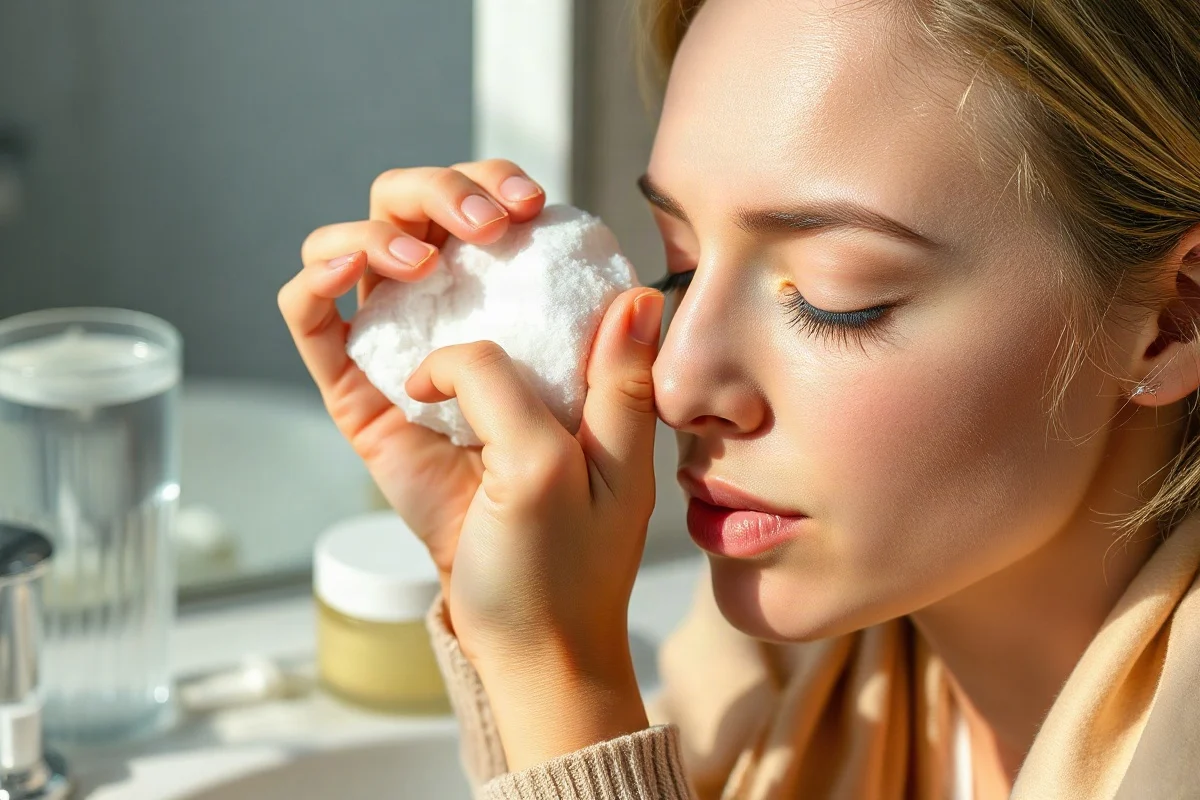
Salt can make your eyes look puffy because sodium affects how your body manages fluid. After a high-sodium meal, your body may retain more water to help maintain its fluid balance, and some of that extra fluid can collect in the delicate tissue beneath the eyes. The result is often temporary under-eye swelling, especially after eating salty food late at night, drinking alcohol, sleeping poorly, or waking up dehydrated.
This is usually a cosmetic change rather than proof that anything is wrong with your eyes. Still, salt is only one possible contributor. Genetics, allergies, crying, sleep position, skin structure, hormonal changes, and certain health conditions can also influence how puffy the under-eye area appears.
How sodium can contribute to under-eye puffiness
Sodium is an essential mineral that helps the body regulate fluids, nerves, and muscles. The body generally keeps sodium and water in balance. When you consume more sodium than usual, your body may hold onto additional water rather than immediately removing all of it.
The skin beneath the eyes is thin, and the area contains a network of small blood vessels and soft tissue. Because the tissue is relatively delicate, even modest fluid retention may be visible there. Under-eye puffiness can look more pronounced in the morning because lying flat for several hours can allow fluid to shift toward the face.
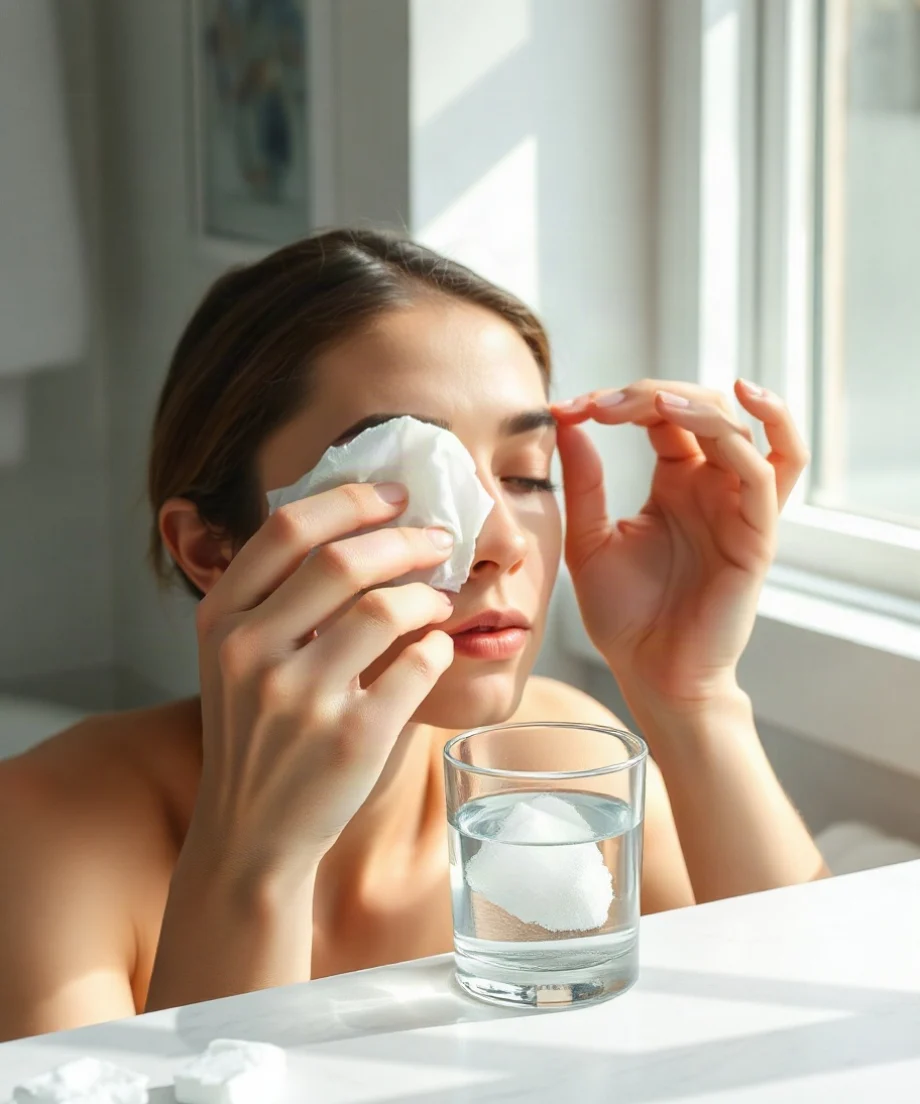
A salty meal does not automatically cause noticeable swelling in everyone. Your response may depend on the amount of sodium consumed, your usual diet, hydration, sleep, genetics, and individual sensitivity. A meal that leaves one person looking unchanged may make another person’s under-eye area appear fuller the next day.
Why puffiness may be worse after a late, salty meal
Several factors can overlap after restaurant food, packaged snacks, takeout, or a holiday meal:
- Sodium intake: A higher-than-usual amount of sodium may encourage temporary water retention.
- Late eating: Going to bed soon after eating leaves less time for normal fluid movement before lying down.
- Alcohol: Alcohol can affect hydration and sleep, which may make facial puffiness more noticeable for some people.
- Short or disrupted sleep: Poor sleep can make swelling and shadows under the eyes look more prominent.
- Dehydration: Not drinking enough fluids may make you feel worse overall and can coincide with changes in fluid balance.
- Sleeping position: Lying flat or sleeping face down may allow fluid to collect around the eyes.
In this situation, the puffiness often improves gradually as your body returns to its usual fluid balance. The timing varies, so there is no reliable guarantee that it will disappear within a particular number of hours.
What you can do the next morning
If your under-eye swelling appears after a salty meal and feels like temporary puffiness, simple, gentle measures may make the area look less swollen. These steps affect appearance; they do not diagnose or treat an underlying medical condition.
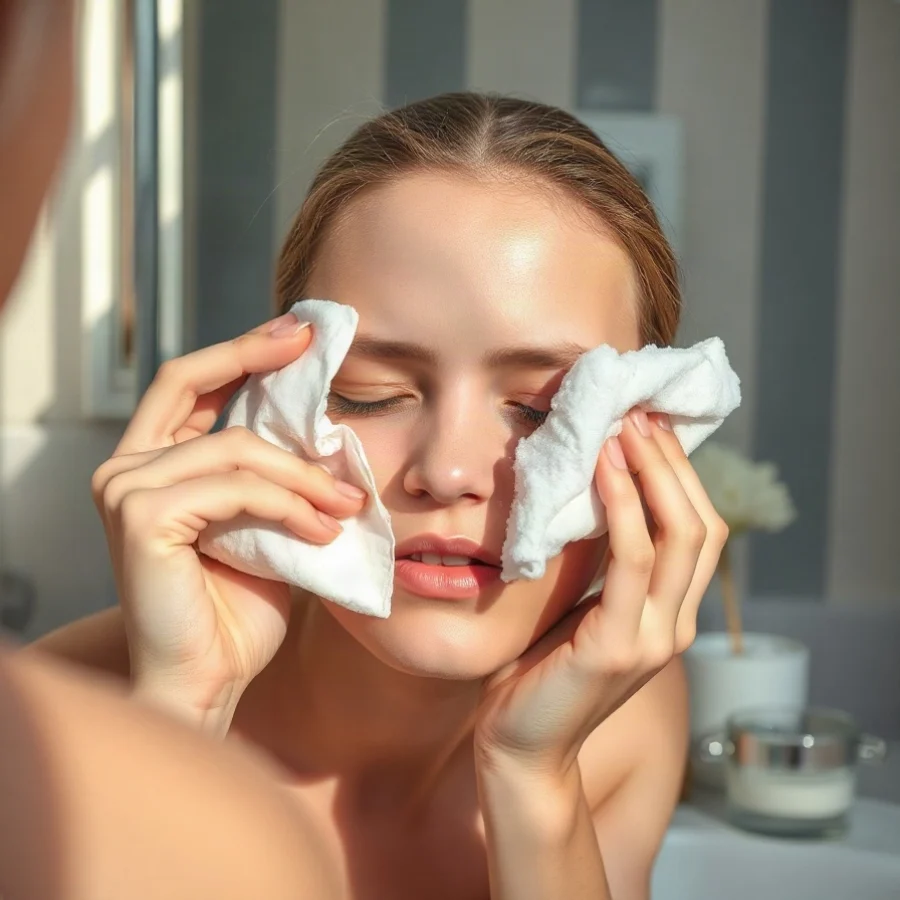
Use a cool compress
Place a clean, cool—not freezing—cloth over closed eyes for a short period. Cooling may temporarily reduce the look of swelling and can feel soothing. Avoid pressing firmly, rubbing the skin, or placing ice directly on the under-eye area. The skin is thin and can become irritated or injured by excessive cold.
Return to your usual hydration habits
Drink water according to your normal needs rather than trying to “flush out” salt with excessive amounts of fluid. More water is not always better, and extreme hydration strategies are unnecessary for ordinary cosmetic puffiness. A balanced routine is generally more sensible than attempting to cancel out one salty meal.
Keep your head slightly elevated
When resting, using an additional pillow or slightly elevating your head may reduce the tendency for fluid to settle around the eyes. Choose a position that keeps your neck comfortable. Elevation is not a substitute for medical care if swelling is persistent, severe, or associated with other symptoms.
Avoid rubbing the area
Rubbing can increase irritation and make redness or swelling look worse. If your eyes are itchy, watery, or burning, allergies or irritation may be contributing instead of—or in addition to—salt-related fluid retention.
Can eye cream help with salt-related puffiness?
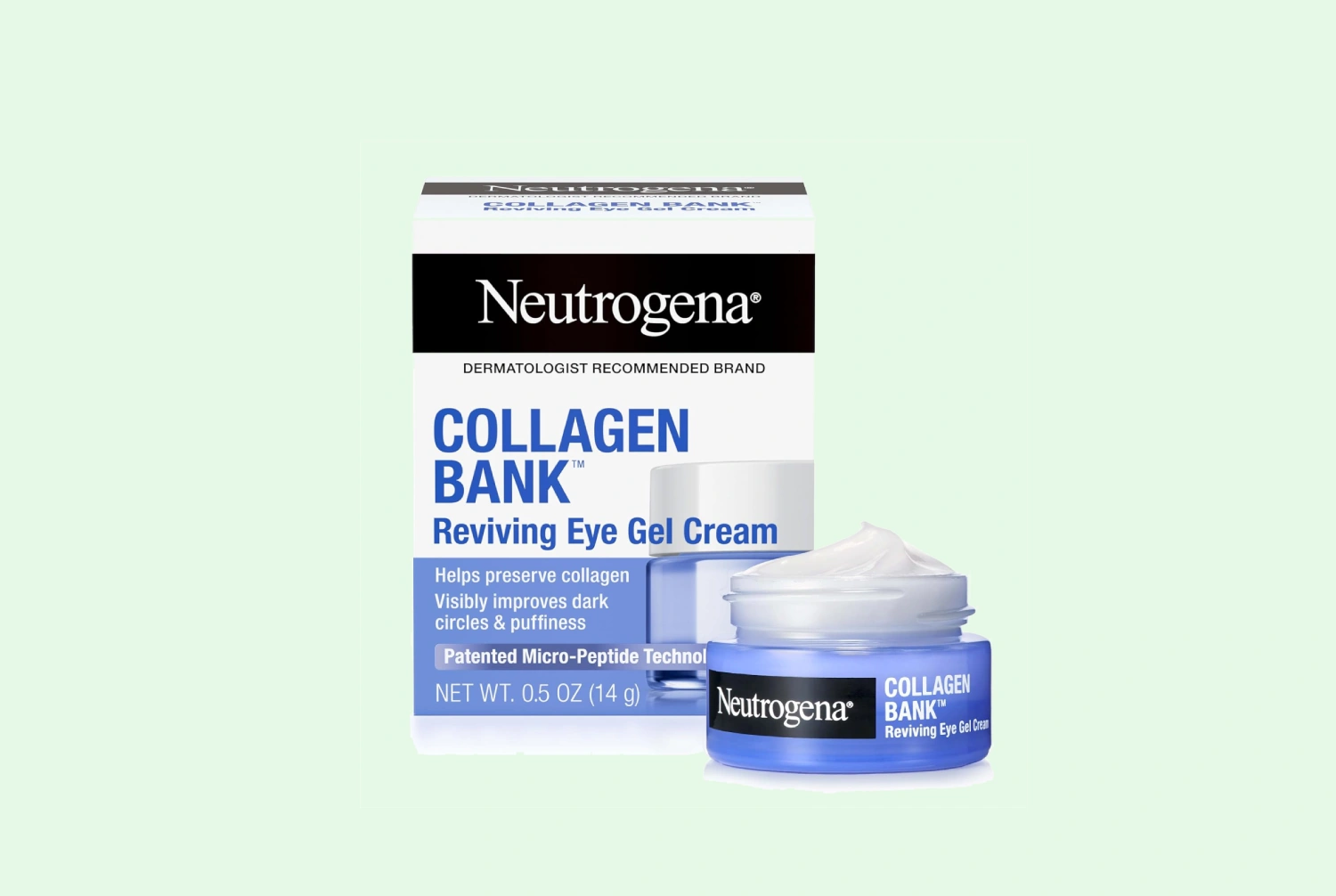
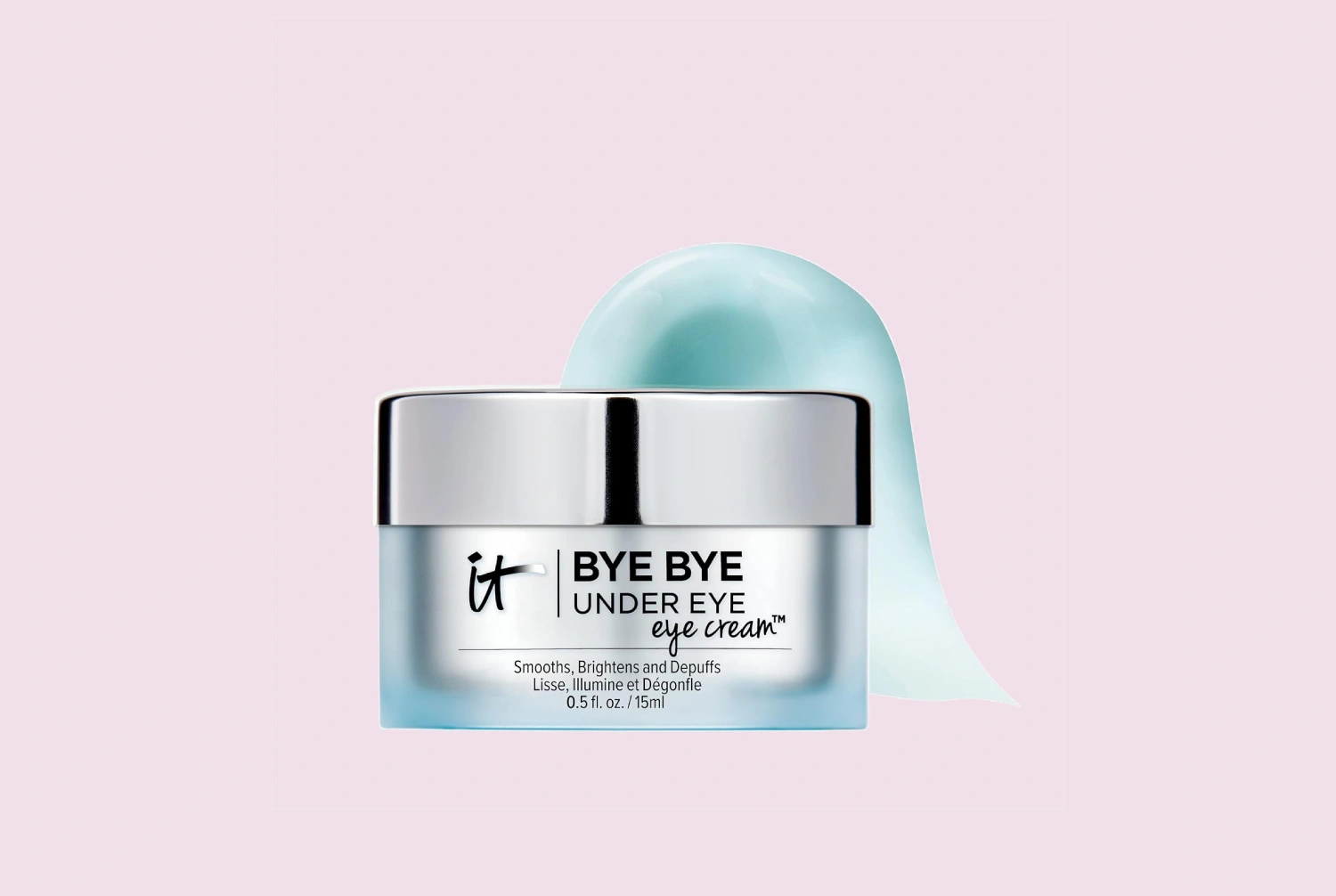
An eye cream cannot remove sodium from the body, but some formulas may temporarily improve the appearance or feel of the under-eye area. Product choice should match your main concern and your skin’s tolerance.
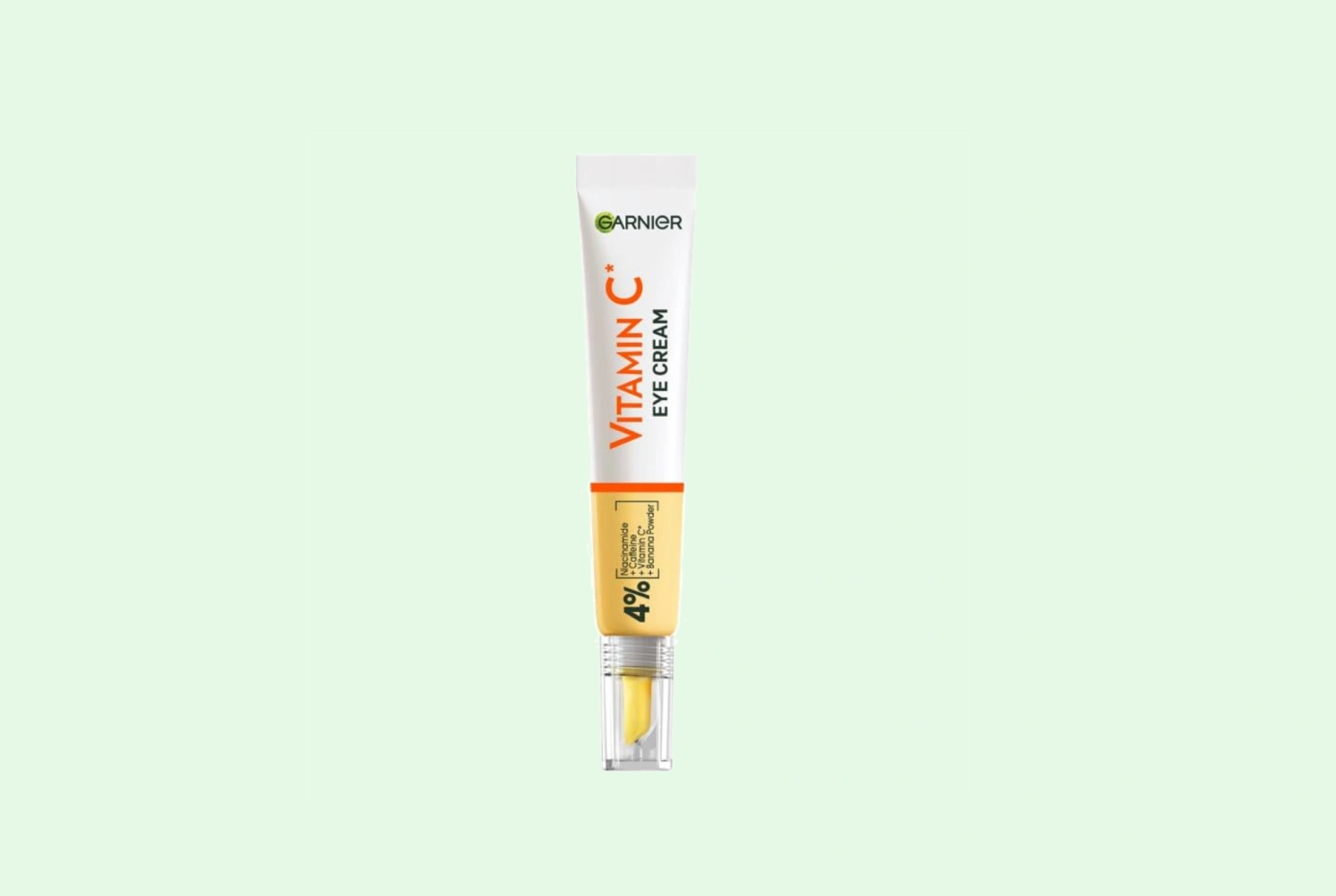
Eye creams containing caffeine are commonly chosen for the look of morning puffiness. Caffeine can produce a temporarily tightening or refreshed appearance for some people, but it should not be treated as a guaranteed solution. Product formulas vary, and the visible effect may be subtle or short-lived. You can explore our guide to caffeine eye cream for more context about this ingredient category.
Lightweight, fragrance-free moisturizing products may be more comfortable if the skin feels dry or tight after cleansing. Humectants and emollients can support the skin’s surface and make dryness-related texture look less noticeable, but they do not directly correct fluid retention. A moisturizer may improve comfort without changing the underlying cause of puffiness.
Be cautious with products containing potentially irritating active ingredients, including retinoids, exfoliating acids, or highly fragranced formulas. These ingredients may be useful for specific cosmetic concerns in an appropriate routine, but applying them to already irritated or swollen skin may make the area look worse. Follow the product label, introduce one new product at a time, consider a patch test, and stop using a product if burning, persistent redness, itching, or worsening irritation develops.
Because formulas can change, check the current package and the manufacturer’s ingredient list before buying or using a product. For a broader overview of common ingredients, see our eye cream ingredient guide.
How to reduce the chance of recurring morning puffiness
You do not need to avoid every salty food to manage occasional under-eye swelling. Instead, look for patterns. Notice whether puffiness appears after restaurant meals, packaged foods, cured meats, salty snacks, or eating close to bedtime. A simple food and symptom log may help you identify whether sodium seems to be one of several recurring triggers.
General habits that may support a less puffy appearance include:
- Eat a varied diet and keep highly salty foods occasional if they consistently trigger visible swelling.
- Follow your usual hydration routine throughout the day.
- Prioritize a regular sleep schedule when possible.
- Cleanse gently and avoid rubbing or tugging the eye area.
- Remove eye makeup carefully before bed.
- Consider sleeping with your head slightly elevated if morning puffiness is a frequent cosmetic concern.
- Use sunscreen around the eye area as directed by the product label, taking care to avoid getting it in the eyes.
These habits may support the appearance of the skin, but they cannot prevent every cause of under-eye bags. Some fullness comes from natural anatomy, including fat compartments and changes in skin elasticity, and may not vary much from day to day.
Salt-related puffiness versus other types of under-eye swelling
Salt-related puffiness is more likely when swelling appears after a salty meal, affects both sides, and gradually improves as the day continues. That pattern is not a diagnosis, however. Under-eye appearance can change for many reasons, and visual clues alone cannot identify the cause with certainty.
Allergies may be more likely when puffiness occurs with itching, sneezing, congestion, or watery eyes. Irritation may cause burning, redness, scaling, or discomfort. A persistent change in one eye can have different causes from ordinary morning fluid retention. If you are unsure what you are seeing, a qualified healthcare professional is the appropriate source for individualized advice.
When to seek medical advice
Contact a healthcare professional if swelling is severe, persistent, painful, or repeatedly occurs without an obvious trigger. You should also seek prompt medical attention if swelling comes with vision changes, significant redness, discharge, fever, breathing difficulty, facial swelling elsewhere, or swelling that is mainly limited to one side. These symptoms are not typical cosmetic concerns to manage with eye cream alone.
People with kidney, heart, thyroid, or other health conditions may need individualized guidance about sodium and fluid intake. Do not make major dietary changes or sharply restrict salt without discussing them with a qualified healthcare professional, particularly if you take medication or have been given specific dietary instructions.
The practical takeaway
A salty meal can make your eyes look puffy because temporary fluid retention may become visible in the delicate under-eye area. Late eating, alcohol, poor sleep, dehydration, and lying flat can make the effect more noticeable. Cooling the area, avoiding rubbing, maintaining normal hydration, and allowing time for your body to return to its usual balance may help the appearance settle.
For skincare, choose gentle, comfortable products and keep expectations realistic. An eye cream may provide temporary cosmetic support, but it cannot reliably undo the effects of sodium or address every cause of under-eye swelling. If puffiness is ongoing, one-sided, painful, or accompanied by other symptoms, treat it as a health question rather than simply a skincare problem.

Comments
0No comments yet. Be the first to share a helpful note or question.
Leave a Comment
Your email address will not be published. Comments are reviewed before appearing on the site.