
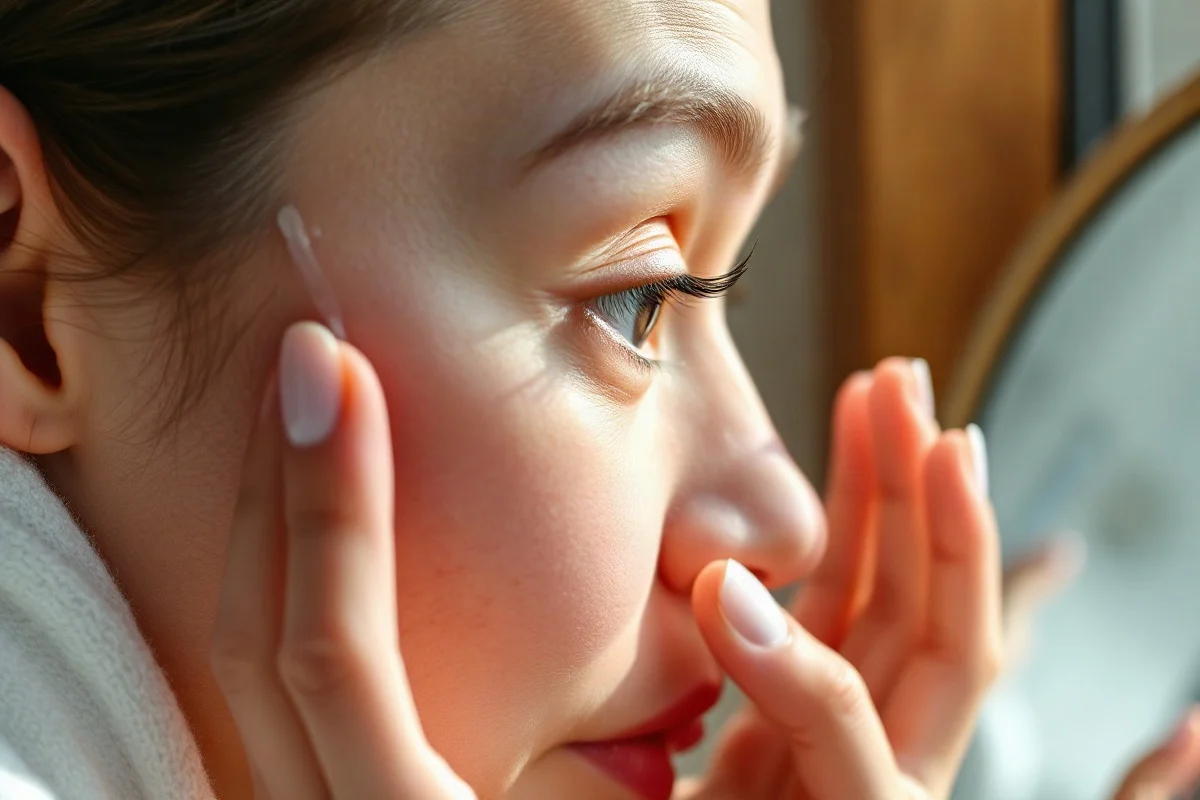
Fine lines often show up earlier around the eyes because the skin in this area is relatively thin, moves constantly with facial expressions, and has less visible cushioning than many other parts of the face. Blinking, smiling, squinting, rubbing, sunlight, dryness, and ordinary changes in skin structure can all make lines around the eyes more noticeable. This is a normal cosmetic change, not automatically a sign of a medical problem.
Although eye creams cannot stop the natural aging process or guarantee that lines will disappear, a thoughtful routine can improve the look of dryness and temporarily make the surface appear smoother. The most useful approach combines daily sun protection, gentle cleansing, consistent moisturization, and carefully chosen active ingredients that your skin can tolerate.
Why the eye area shows lines first
The skin is delicate and thin
The skin around the eyes has a delicate structure and can look less plump than skin on areas such as the cheeks. When the surface becomes dry or loses some of its natural fullness over time, small creases may be easier to see. A thin layer of moisturizer can soften the appearance of surface dryness, but it does not rebuild the skin or permanently remove wrinkles.
The area also has less room to conceal texture. A small crease beside the eye may be visible when you smile, while a similar change on a broader area of the face may be harder to notice. This does not necessarily mean the eye area is aging abnormally; it is often simply more visually sensitive.
Facial movement creates repeated creasing
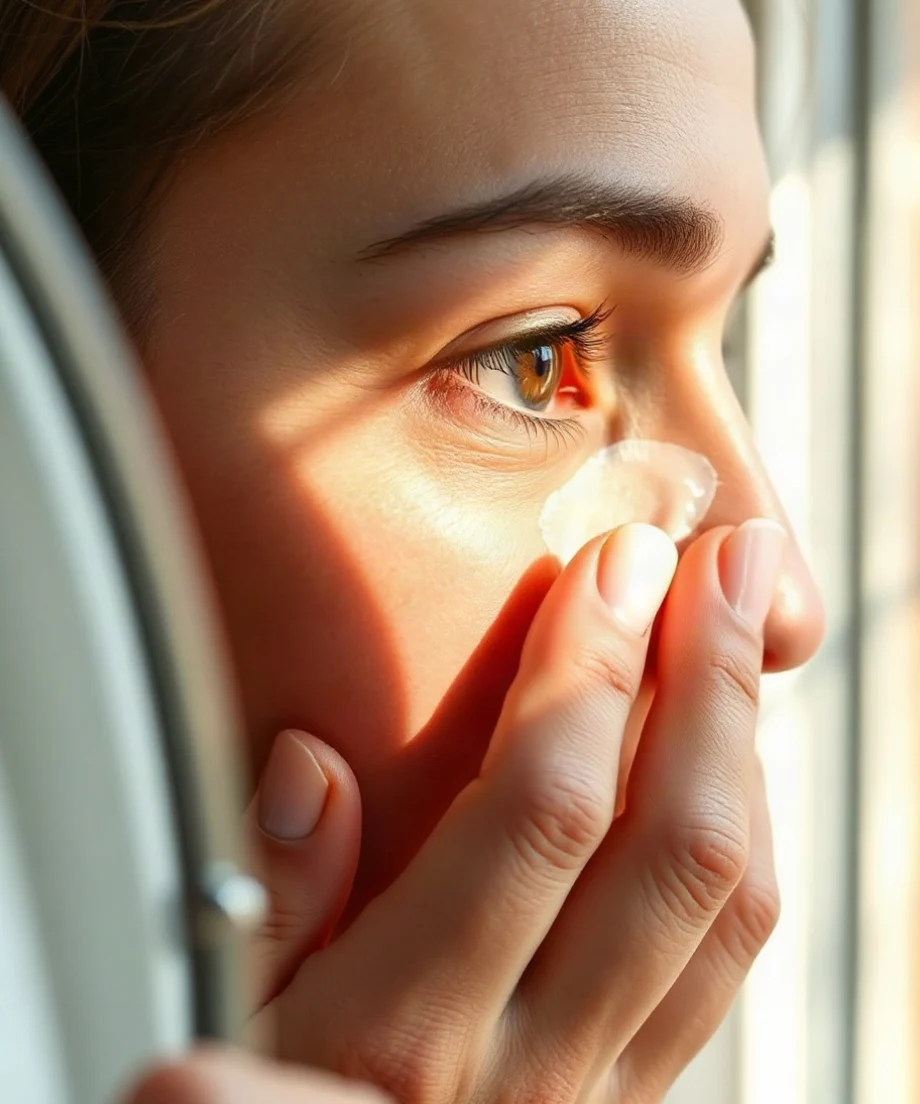
Everyday expressions cause the skin around the eyes to fold and stretch. Blinking is essential, while smiling, laughing, concentrating, and squinting add more movement. Early lines may appear only during expression and then become visible when the face is relaxed. Over time, repeated movement can make those creases easier to see at rest.
This does not mean you should avoid smiling or try to hold your face still. Facial movement is normal. Instead, focus on reducing avoidable contributors, such as squinting in bright light, skipping sunscreen, or rubbing the eye area when it feels irritated.
Sun exposure affects visible texture
Ultraviolet exposure can contribute to changes in the look and feel of skin over time. The eye area is especially easy to overlook when sunscreen is applied to the rest of the face. Sunglasses, a hat, shade, and a broad-spectrum sunscreen used according to its label can help limit ongoing exposure. Apply products carefully and avoid getting sunscreen directly in the eyes.
Sun protection is a long-term skin-care habit, not a quick fix. It will not erase lines that are already visible, and no product can promise complete prevention of future changes. Still, consistent protection is one of the most practical ways to support the appearance of skin over time.
Dryness can make fine lines look deeper
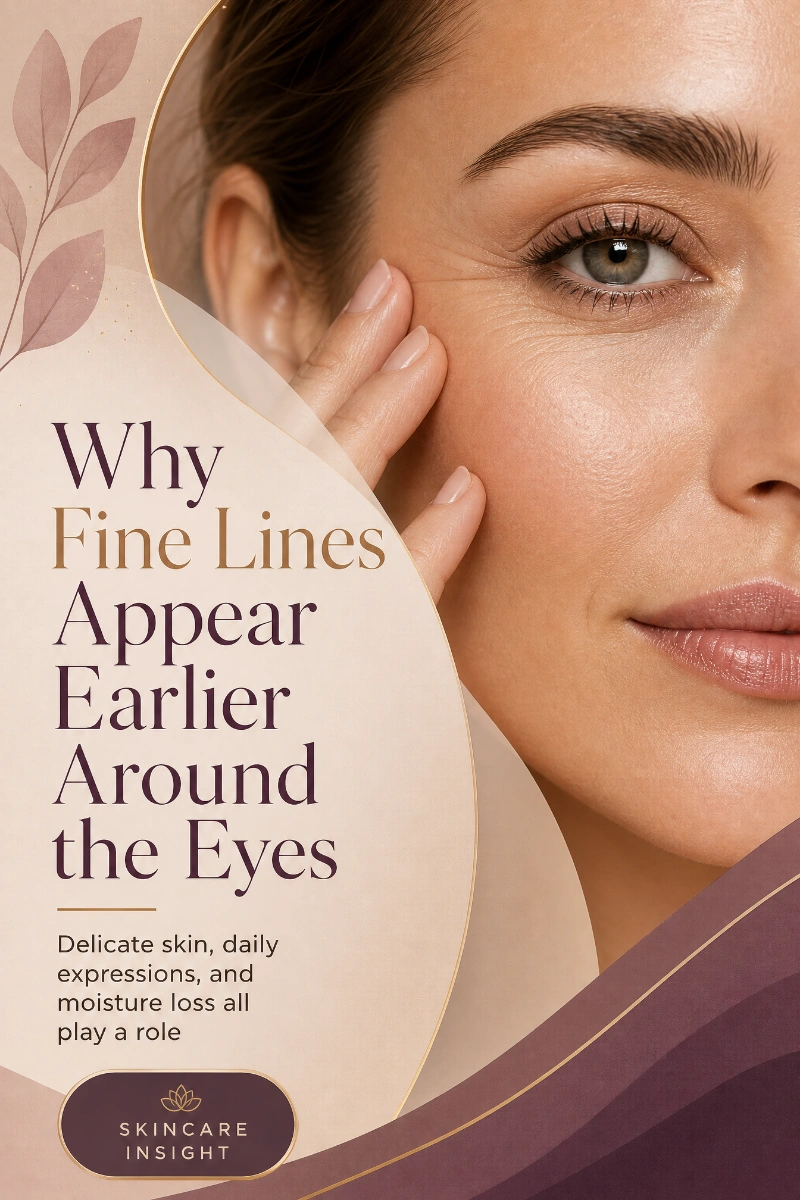
Dehydrated or dry-looking skin can emphasize small creases. Cleansing too aggressively, using irritating products, exposure to dry air, and not applying enough moisturizer may all make the eye area feel tight or look more textured. Sometimes what appears to be a sudden increase in fine lines is partly a temporary change in surface hydration.
Moisturizing ingredients can make the surface feel more comfortable and give it a smoother-looking finish. Humectants such as glycerin and hyaluronic acid are commonly used to attract water to the outer layers of skin. Emollients and occlusive ingredients can help support a softer feel by smoothing or reducing moisture loss. The exact experience depends on the complete formula, your skin, and the surrounding environment.
For ingredient explanations, see our eye cream ingredient guide. Product formulas can change, so check the current packaging or the manufacturer’s ingredient list before buying, especially if you have allergies or reactive skin.
Which ingredients may improve the look of fine lines?
Retinoids and retinol
Retinol and other retinoid ingredients are often selected for routines focused on visible signs of aging. With consistent use, a well-tolerated formula may help the skin look smoother over time. Eye-area products containing these ingredients can be irritating, particularly when introduced too quickly or applied too close to the eyes.
Follow the product label and begin conservatively if the instructions allow it. Use a small amount, keep the product away from the lash line and the eye itself, and avoid combining several potentially irritating actives at once. If you develop burning, persistent redness, swelling, or significant discomfort, stop using the product and seek appropriate medical advice. People who are pregnant, trying to become pregnant, or nursing should ask a qualified health professional about retinoid use.
Learn more about choosing this category in our guide to retinol eye cream. The article is about cosmetic skin care, not diagnosis or treatment of a medical condition.
Peptides
Peptides are included in many eye products designed to support the appearance of firmness and smoothness. They are not a guarantee of wrinkle removal, and one peptide product cannot be assumed to work like another. The formula, concentration, packaging, and the rest of the routine all matter, but not every product detail is always available or consistent across markets.
Antioxidants
Antioxidant ingredients, including certain forms of vitamin C, are used in some products to support a brighter, more even-looking complexion. They may be useful when dullness or uneven tone makes the eye area look more tired. Some vitamin C formulas can sting, especially on dry or sensitive skin. Check the label, avoid contact with the eyes, and stop use if irritation develops.
Ceramides and barrier-supporting ingredients
Ceramides and other barrier-supporting ingredients can be useful when the eye area feels dry, tight, or easily irritated. They are generally chosen for comfort and moisturization rather than as direct wrinkle-erasing ingredients. A simpler, fragrance-free moisturizer may be a better starting point than a highly active product if your skin barrier is uncomfortable.
How to choose an eye product for fine lines
Start with your main concern. If lines look more obvious when the area feels dry, prioritize a moisturizing formula. If you want to explore an active ingredient, introduce only one new product at a time so you can better identify the source of any reaction. If you are also concerned about dark circles or puffiness, remember that these concerns can have different contributing factors and may not respond to the same ingredients.
- For dry-looking lines: look for a comfortable moisturizer with humectants, emollients, or barrier-supporting ingredients.
- For a gradual anti-aging routine: consider a carefully labeled retinol or retinoid eye product if it is appropriate for you and your skin tolerates it.
- For a smoother temporary finish: a lightweight moisturizing formula may reduce the look of surface flaking and tightness.
- For sensitive skin: consider fewer ingredients, avoid unnecessary fragrance if it bothers you, and introduce products slowly.
Packaging matters as well. Some ingredients are sensitive to air, light, or repeated exposure, so follow storage directions and use the product as instructed. When researching a specific product, verify the current ingredient list rather than relying on an old retailer page, review, or social media post. Our sensitive skin eye-care guide can help you think through a lower-irritation approach.
A gentle routine for the eye area
Morning
- Cleanse gently, or rinse if cleansing in the morning leaves your skin tight.
- Apply a moisturizer or eye product with light tapping rather than rubbing.
- Use broad-spectrum sunscreen as directed, taking care to avoid direct contact with the eyes.
- Wear sunglasses and seek shade in bright conditions to reduce squinting and sun exposure.
Evening
- Remove makeup without scrubbing. Hold a suitable remover against the area briefly if needed, then wipe gently.
- Apply a basic moisturizer if the skin feels dry.
- If using an active such as retinol, follow the product’s directions and avoid adding other potentially irritating products on the same night until you know how your skin responds.
Use only a small amount and keep products out of the eye itself. The skin does not need aggressive massage to absorb an eye cream. Pulling or rubbing can worsen discomfort and may make the area look temporarily more irritated.
What eye cream can and cannot do
An eye cream may improve the cosmetic appearance of dryness, rough texture, or mild surface creasing. Some formulas can also create a temporary smoothing or brightening effect through moisturization and light-reflecting ingredients. These changes should be viewed realistically: results vary, usually require consistent use, and may be subtle.
An eye cream cannot change every reason fine lines are visible. It cannot reverse all age-related changes, replace sun protection, or guarantee permanent results. Lines caused mainly by facial movement may remain noticeable even when the skin is well moisturized. In addition, a product marketed for the eye area is not automatically safer or more effective than a face moisturizer; the label and formula still matter.
When to simplify your routine
If the area becomes red, itchy, swollen, painful, unusually watery, or persistently irritated, stop the newest product and simplify your routine. Use gentle products that you already know your skin tolerates, and avoid experimenting with multiple active ingredients while the area is uncomfortable. Persistent or severe symptoms deserve evaluation by a qualified health professional, because irritation or swelling can have causes that skin care alone cannot address.
Fine lines around the eyes are a common cosmetic concern, and their early appearance usually reflects the area’s delicate skin, frequent movement, environmental exposure, and changing moisture levels. A consistent routine built around gentle care, moisturization, sun protection, and cautious ingredient selection can help the area look more comfortable and smooth without promising to erase normal skin changes.

Comments
0No comments yet. Be the first to share a helpful note or question.
Leave a Comment
Your email address will not be published. Comments are reviewed before appearing on the site.