
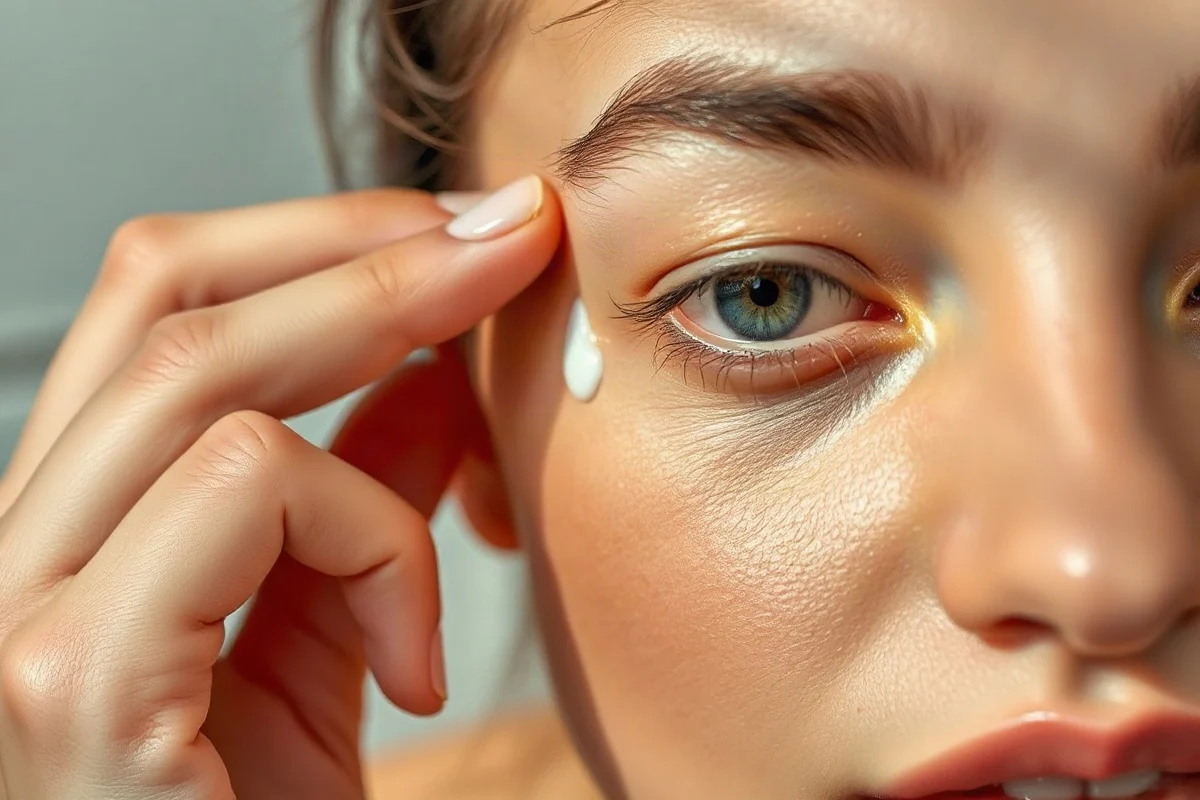
The skin under your eyes is often dry because it has a relatively delicate barrier and is exposed to products, weather, friction, and frequent movement. Cleansers, makeup removal, low humidity, hot water, and potentially irritating ingredients can all make the area feel tight, rough, flaky, or more lined. A simple routine focused on gentle cleansing, barrier-supportive moisturization, and less rubbing may improve the way dryness looks and feels, although persistent or severe symptoms may need evaluation by a qualified healthcare professional.
Why the under-eye area dries out easily
The skin around the eyes can be more vulnerable to moisture loss than many other areas of the face. It is also constantly moving as you blink, squint, smile, and make other facial expressions. When the outer skin barrier is stressed, water can leave the surface more readily, leading to tightness, rough texture, flaking, or a temporarily crepey appearance.
Several everyday factors may contribute:
- Low humidity: Dry indoor air, heating, air conditioning, and cold or windy weather can make moisture loss more noticeable.
- Overcleansing: Strong cleansers, hot water, or washing too often may remove some of the skin’s surface oils.
- Makeup removal: Repeated rubbing to remove concealer, mascara, or long-wearing products can create irritation and surface dryness.
- Active ingredients: Retinoids, exfoliating acids, benzoyl peroxide, and some fragranced products may irritate the eye area, especially when used too close to the eyelids.
- Contact with airborne or transferred irritants: Hair products, fragrance, nail products, and face products can migrate toward the eyes.
- Individual skin sensitivity: Some people naturally experience more dryness or react more easily to particular formulas.
Dryness can make other under-eye concerns look more noticeable
Dry skin does not necessarily create dark circles, puffiness, or fine lines, but it can make them appear more prominent. Flaking and uneven texture may catch the light, while tightness can emphasize expression lines temporarily. Dehydrated-looking skin can also make concealer settle into lines or cling to dry patches.
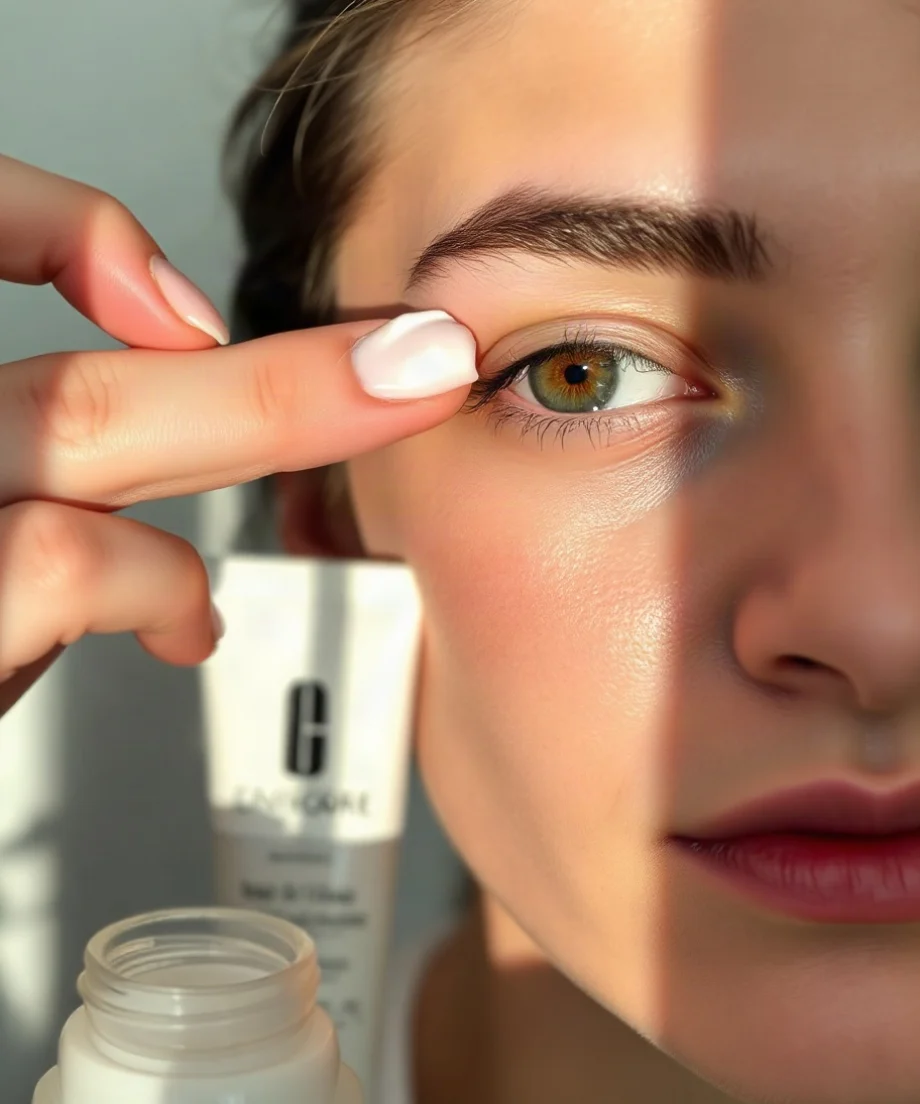
That distinction matters: a moisturizer may make the surface look smoother and more comfortable, but it cannot be expected to change every cause of under-eye discoloration or puffiness. Under-eye appearance may also be influenced by natural pigmentation, visible blood vessels, shadows from facial structure, allergies, sleep patterns, and other factors. For broader guidance, see our dark circles guide.
Ingredients that may help dry under-eye skin
When choosing an eye cream or facial moisturizer for dryness, look for a formula designed to reduce water loss and support a comfortable skin surface. Product labels and formulas vary, so check the current packaging or the manufacturer’s ingredient list before buying or using a product.
Humectants
Humectants attract and hold water near the skin’s surface. Common examples include glycerin, hyaluronic acid, and panthenol. These ingredients can help the skin feel more hydrated, particularly when used as part of a routine that also includes an emollient or occlusive ingredient.
Emollients
Emollients help soften rough-feeling skin and improve the feel of uneven texture. Ingredients in this category may include fatty alcohols, plant oils, esters, and certain lipids. Their purpose is primarily cosmetic: they can make dry skin feel smoother without addressing every underlying reason for dryness.
Occlusive ingredients
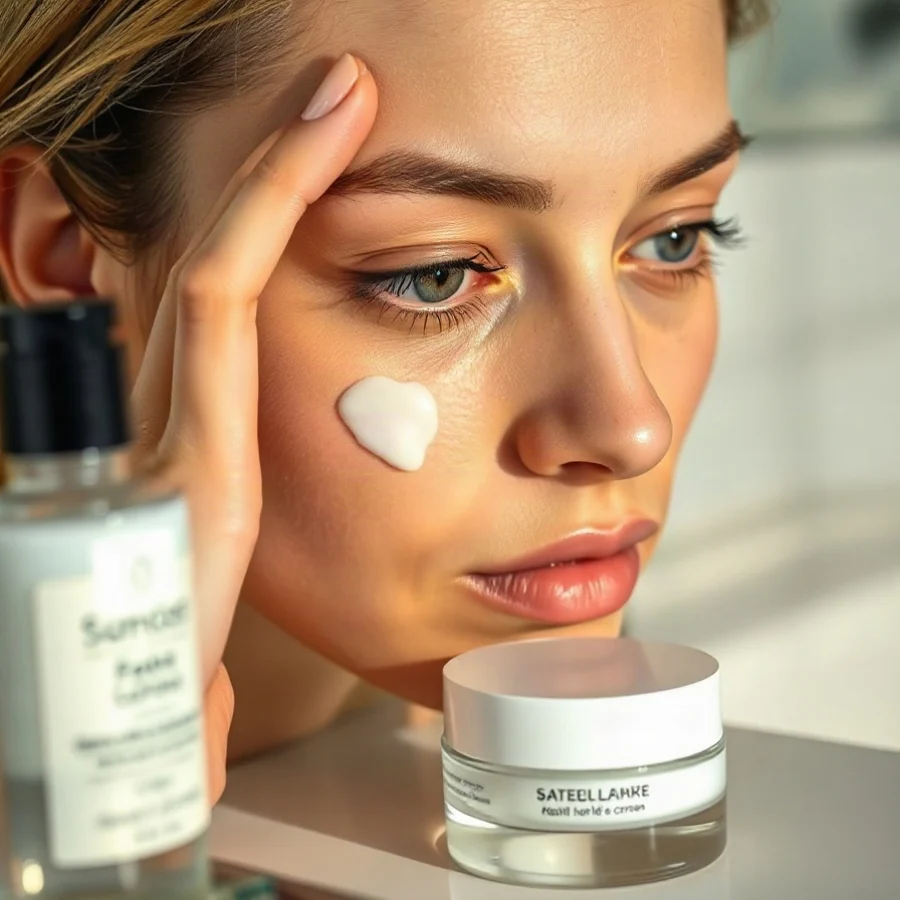
Occlusives form a protective layer that can slow water loss from the skin. Petrolatum, mineral oil, dimethicone, and some waxes or butters are examples commonly used in moisturizers. A richer formula may be useful at night if the area feels tight, although the best texture depends on personal preference and how the product interacts with your eyes and makeup.
Barrier-supportive lipids
Ceramides and other skin-identical or skin-supportive lipids are often included in products intended for dry or sensitive skin. They may help improve the feel of a compromised moisture barrier over time, but results vary by formula and individual skin. Ingredient names alone do not reveal the full performance of a product.
For a broader explanation of common skincare ingredients, use our eye cream ingredient guide.
How to adjust your routine
Cleanse gently
Use lukewarm water rather than very hot water, and choose a mild cleanser that does not leave the surrounding skin feeling tight. You do not need to scrub the under-eye area. If you wear makeup, let a suitable remover soften the product before wiping gently instead of repeatedly dragging a cotton pad across the skin.
Apply moisturizer while skin is slightly damp
After cleansing, pat rather than rub the area dry and apply a small amount of moisturizer while the skin still has a little surface moisture. This can make the routine feel more comfortable. Use your ring finger or another gentle touch, but avoid pressing product directly into the eye or placing it so close that it migrates into the eyes.
Keep the rest of your routine away from the eye area when appropriate
Face products do not automatically belong on the eyelids or directly beneath the eyes. If a retinoid, exfoliating acid, acne treatment, or strong antioxidant product causes stinging or flaking near the eyes, create more distance from the orbital area or follow the product’s specific directions. Do not assume that a product labeled for the face is suitable for the eye area.
Protect the skin from environmental stress
Sunglasses can reduce squinting and provide physical protection from wind and bright light. During the day, use a broad-spectrum sunscreen according to its label, taking care to avoid getting it in the eyes. If sunscreen stings, consider a formula intended for sensitive areas and stop using any product that causes persistent discomfort.
What to look for in an eye cream for dry skin
A useful product search starts with texture and tolerance rather than a long list of trendy ingredients. Consider a fragrance-free or low-irritant formula if your skin reacts easily, and look for moisturizing ingredients such as humectants, emollients, occlusives, or barrier-supportive lipids.
A cream or balm may feel more protective than a lightweight gel, especially at night. However, a lighter lotion may be easier to wear under concealer or more comfortable for people who dislike richer textures. Neither texture is universally best. The right choice is one you can apply consistently without burning, watering, itching, or causing other unwanted reactions.
Be cautious with products marketed around aggressive anti-aging or brightening claims. Retinoids, vitamin C derivatives, exfoliating acids, and other active ingredients may have a place in some routines, but they can be irritating around the eyes. Follow the product label, introduce one new product at a time, and consider a patch test when appropriate. Stop using a product if it causes significant irritation, swelling, rash, or ongoing discomfort.
How to apply moisturizer without making dryness worse
- Start with clean hands and a clean face.
- Use a small amount; more product is not always better.
- Tap the moisturizer around the orbital bone rather than rubbing it directly over the lash line.
- Allow the product to absorb before applying concealer or other makeup.
- Keep containers clean and avoid sharing eye-area products.
If concealer tends to emphasize flakes, applying a thin layer of moisturizer first may help the surface look more even. Give it time to settle, then use less concealer and press it on gently. Adding more makeup over dry patches often makes texture more visible rather than hiding it.
When dryness may be more than a routine issue
Temporary dryness after cold weather, makeup removal, or trying a new product may improve when the suspected trigger is removed and the routine becomes gentler. However, ongoing redness, intense itching, swelling, cracking, oozing, pain, marked sensitivity, or symptoms affecting the eyes themselves should not be treated as a purely cosmetic concern.
Several conditions can cause irritation around the eyes, and similar-looking symptoms can have different explanations. This article cannot diagnose the cause or recommend medical treatment. If symptoms persist, recur frequently, interfere with daily life, or involve vision changes or significant eye discomfort, seek advice from a qualified healthcare professional. Get prompt medical attention for severe swelling, breathing difficulties, or signs of a serious allergic reaction.
A simple approach for more comfortable under-eye skin
Start by reducing friction and removing obvious irritants. Cleanse gently, moisturize with a well-tolerated product, and avoid placing strong active ingredients too close to the eyes unless the label specifically supports that use. A consistent, uncomplicated routine is often easier to evaluate than several new products introduced at once.
Remember that improved hydration can soften the look of rough texture and make the under-eye area appear smoother, but it is not a guarantee of permanent change. If you are comparing products or building a routine for multiple concerns, our under-eye routine builder can help organize the basics while keeping product choices focused and realistic.

Comments
0No comments yet. Be the first to share a helpful note or question.
Leave a Comment
Your email address will not be published. Comments are reviewed before appearing on the site.