
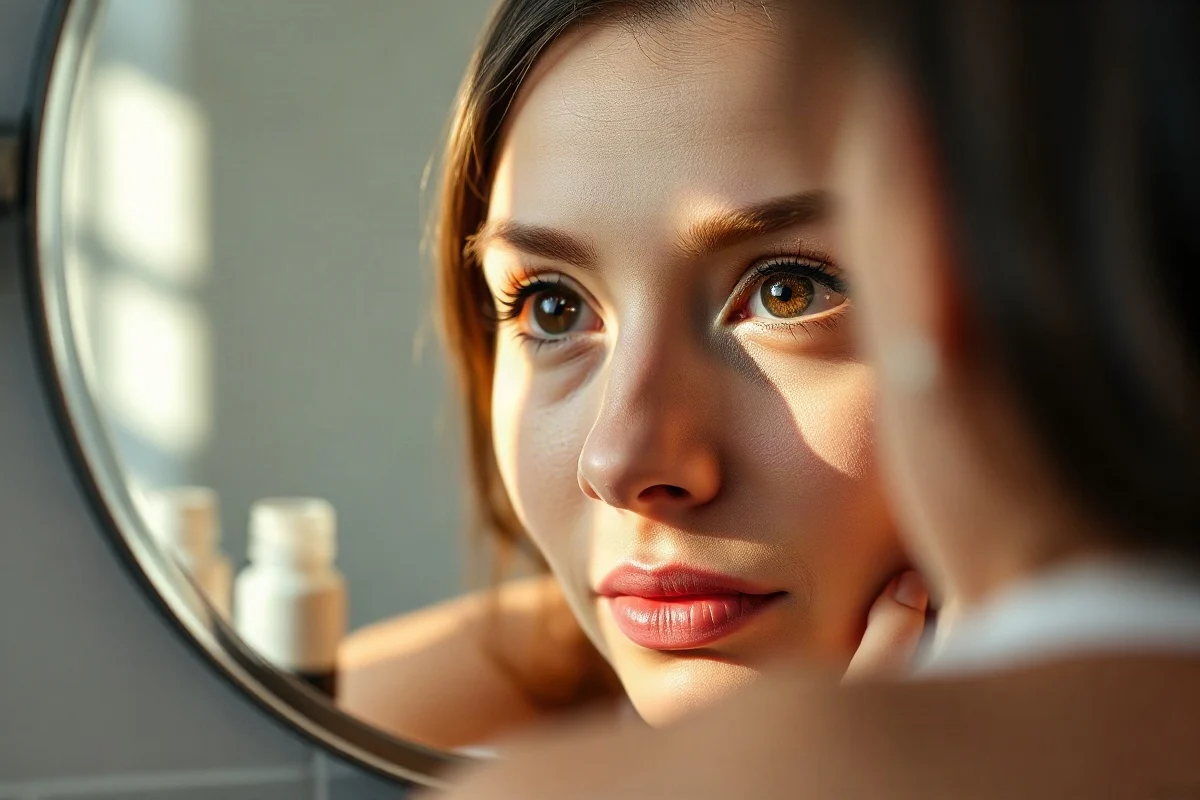
One eye can look puffier than the other because fluid, irritation, sleep position, facial anatomy, or everyday habits are not always distributed evenly. Sleeping on one side, rubbing a single eye, seasonal allergies, or mild morning fluid retention can all make the difference more noticeable. In many cases, uneven puffiness is a temporary cosmetic concern rather than a sign that your eye cream is failing. However, sudden or persistent swelling—especially with pain, redness, vision changes, discharge, or swelling elsewhere—deserves medical attention rather than a new skincare product.
Why uneven under-eye puffiness happens
The skin around the eyes is thin and highly mobile, so small differences in fluid, irritation, or shadowing can stand out. The two sides of the face are also naturally different. One eye may have a slightly different eyelid fold, brow position, fat-pad distribution, or skin texture, making it appear more swollen even when the amount of puffiness is similar.
Sleep position and overnight fluid retention
Fluid can collect in the tissues around the eyes while you sleep. If you spend more time on one side, the lower side of your face may appear puffier when you wake up. A late meal high in sodium, alcohol, crying, dehydration, or simply sleeping poorly may make morning swelling more noticeable. This type of puffiness often changes throughout the day as you become upright and move around.
Rubbing, allergies, and irritation
Touching one eye more than the other can trigger temporary swelling. You might rub the side that feels itchy, remove makeup more vigorously from one eye, or sleep with a product or hair product irritating the skin on that side. Seasonal allergies and other sources of irritation can also affect the eyes unevenly.
Possible triggers include pollen, dust, pet dander, fragranced skincare, makeup residue, contact lens products, and cleansers that migrate into the eye area. If one eye is itchy and watery, repeated rubbing may make its surrounding skin look increasingly puffy. Skincare cannot identify the cause of an eye symptom, so persistent irritation should be discussed with a qualified healthcare professional.
Natural facial asymmetry
Perfect facial symmetry is uncommon. Differences in bone structure, eyelid shape, brows, cheek volume, and the placement of under-eye shadows can make one side look fuller. These differences may become more visible with age as skin elasticity and facial volume change, but they do not automatically indicate a medical problem.
Temporary congestion or inflammation
A cold, sinus congestion, or an irritated eyelid can sometimes make one side of the face look more swollen. These situations are not something an eye cream can diagnose or treat. If swelling is accompanied by significant discomfort, warmth, pronounced redness, discharge, fever, or changes in vision, seek medical advice promptly.
How to tell temporary puffiness from a concern that needs attention
Consider the pattern, not just the appearance. Puffiness that is most noticeable after waking and gradually improves may be related to sleep position or normal overnight fluid shifts. Swelling that repeatedly returns after using a particular product may point to irritation or sensitivity. A difference that has always been present may reflect natural anatomy.
On the other hand, contact a healthcare professional if swelling is new, persistent, worsening, or limited clearly to one eye without an obvious explanation. Prompt evaluation is especially important if you notice eye pain, severe tenderness, marked redness, warmth, pus-like discharge, light sensitivity, double vision, blurred vision, difficulty moving the eye, facial swelling, or fever. Sudden swelling after a possible allergic exposure may require urgent care, particularly if breathing or swallowing is affected.
This article focuses on cosmetic appearance and general skincare considerations. It cannot determine whether swelling is caused by an allergy, infection, blocked gland, injury, or another medical issue.
Gentle ways to reduce the appearance of morning puffiness
For mild, occasional puffiness, simple habits may make the under-eye area look less swollen without overloading it with products.
- Use a cool, clean compress. Hold it gently over closed eyes for a short period. Avoid pressing firmly or applying ice directly to the skin.
- Keep your hands away from your eyes. Rubbing can increase irritation and make swelling more noticeable.
- Remove makeup carefully. Use a mild remover and avoid repeated wiping. If a product stings, stop using it around the eyes.
- Pay attention to patterns. Note whether puffiness follows poor sleep, a new cosmetic, a salty meal, outdoor exposure, or sleeping on one side.
- Give the eye area time to settle. Applying several new products at once makes it harder to identify an irritant and may worsen sensitivity.
These steps may temporarily improve appearance, but they do not treat an underlying eye or health condition. For broader routine ideas, the Under-Eye Routine Builder can help organize product choices by concern and skin needs.
What to look for in an eye product
An eye cream may help the skin look smoother, more hydrated, or temporarily less tired, but it is unlikely to make naturally different eyes identical. Choose a product based on your skin’s needs and the type of improvement you want to see rather than assuming puffiness has one universal cause.
For dehydration and fine texture
Moisturizing ingredients such as glycerin, hyaluronic acid, panthenol, and various emollients can support a more hydrated-looking surface. Hydration may soften the appearance of fine dryness lines, which can otherwise make one under-eye look rougher or more creased than the other. It will not remove structural puffiness or change facial anatomy.
For a temporarily tired-looking appearance
Caffeine is commonly used in products designed for the look of puffiness. Some people may find a caffeine-containing formula makes the eye area look temporarily more refreshed, but the effect should not be treated as a permanent solution or a medical treatment. Review the current product label because formulas can change. You can also explore our guide to caffeine eye creams for ingredient-focused context.
For uneven tone and shadows
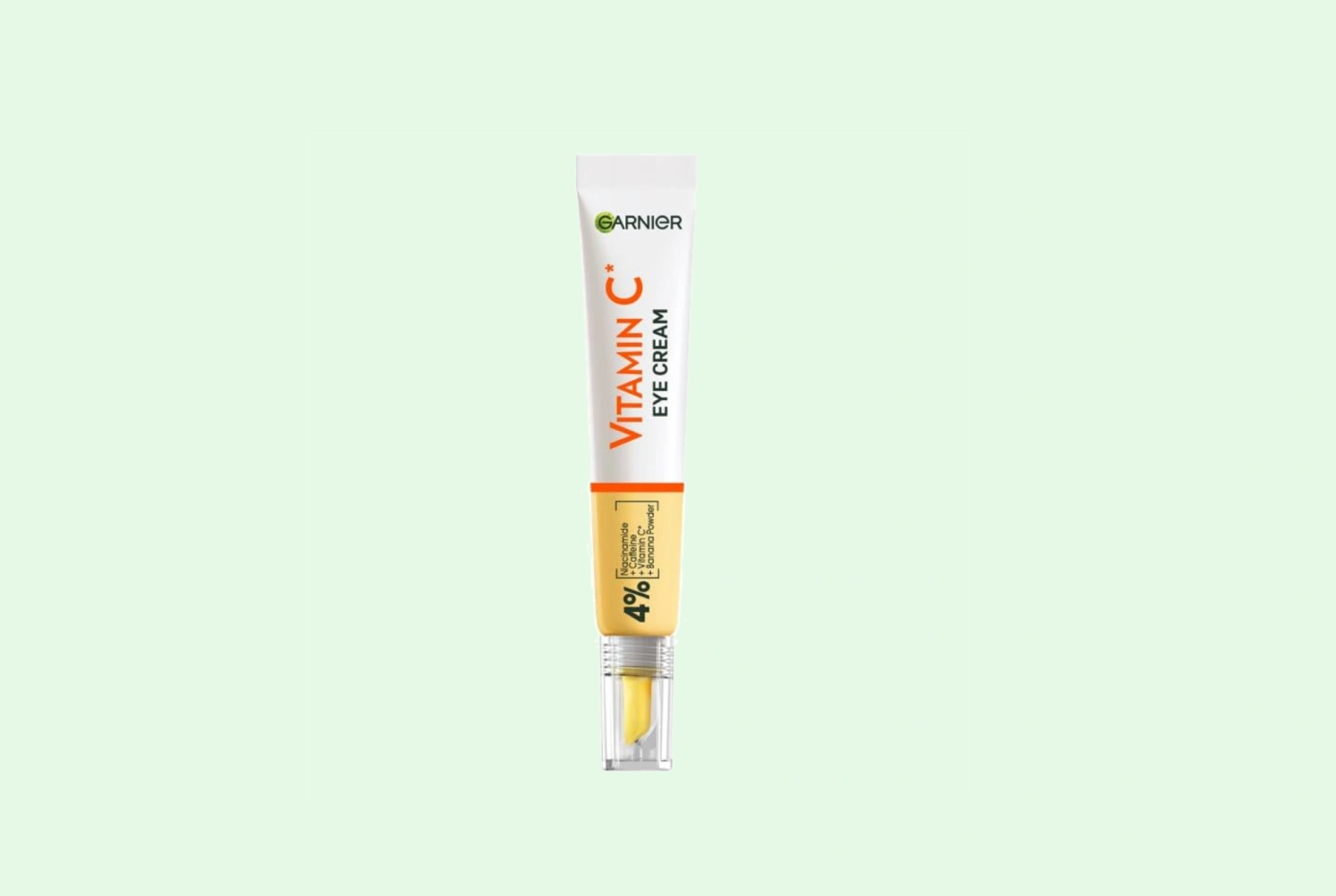
Sometimes one eye only appears puffier because shadows are deeper on that side. Brightening ingredients may improve the look of dullness or uneven tone over time, depending on the formula and your skin’s tolerance. This is different from treating swelling. If you are considering vitamin C, retinoids, exfoliating acids, or other active ingredients, follow the product directions, introduce one product at a time, and avoid getting it in the eye.
Active ingredients can irritate the delicate eye area, especially if applied too close to the lash line or combined with other strong products. Patch testing can be useful, although it cannot guarantee that a product will not irritate the eyelids. Stop use if you develop burning, persistent redness, rash, or worsening discomfort. Our eye cream ingredient guide provides additional information about common ingredients and realistic expectations.
How to apply eye cream when one side looks puffier
Use a small amount according to the product directions and apply it to clean, dry skin. Rather than rubbing, gently tap the product along the orbital area—the skin around the eye socket—while keeping it away from the eye itself. Avoid pulling the skin or massaging a visibly irritated area.
Applying the same amount to both sides can make your routine more consistent, but adding extra product to the puffier eye will not necessarily improve the result. Too much product may migrate into the eye, feel heavy, or contribute to irritation. If one side is swollen because of rubbing, an allergen, or another trigger, adding more skincare may make the problem harder to identify.
Common mistakes that can make asymmetry more noticeable
- Comparing your face immediately after waking. Morning fluid retention can exaggerate normal differences.
- Using multiple new products at once. This increases the chance of irritation and makes the source difficult to pinpoint.
- Applying harsh remedies. Fragrance, essential oils, scrubs, and household ingredients can irritate the eye area.
- Pressing or massaging aggressively. The skin is delicate, and forceful handling can worsen redness and discomfort.
- Expecting an eye cream to change anatomy. A topical product may affect hydration or the temporary look of tiredness, but it cannot reliably alter eyelid structure or remove an under-eye fat pad.
When to stop self-care and get medical advice
Do not rely on cosmetic products if one-sided swelling is sudden, painful, hot, markedly red, or associated with discharge or vision changes. Medical advice is also appropriate when swelling continues, repeatedly returns without a clear trigger, follows an injury, or affects the eyelid enough to interfere with seeing. If you suspect an allergic reaction and symptoms are spreading or involve breathing, seek emergency help.
For mild puffiness with no warning signs, take a consistent photo at the same time of day for several days rather than checking the mirror repeatedly. This can help you see whether the difference changes with sleep, products, or daily habits. If the asymmetry remains concerning, a healthcare professional can evaluate it more appropriately than skincare alone.
Setting realistic expectations
Uneven under-eye puffiness often has more than one contributor: natural asymmetry, sleep position, fluid retention, irritation, and the way light falls across the face. A gentle routine may improve hydration and the overall appearance of the skin, while cool compresses and avoiding rubbing may help with temporary morning swelling. Neither approach can guarantee that both sides will look the same.
Start with the least irritating changes, verify current ingredient information on the product packaging or manufacturer’s website, and give each adjustment enough time to observe the pattern. If the change is persistent or comes with symptoms beyond appearance, prioritize an appropriate medical evaluation over adding another eye cream.

Comments
0No comments yet. Be the first to share a helpful note or question.
Leave a Comment
Your email address will not be published. Comments are reviewed before appearing on the site.