
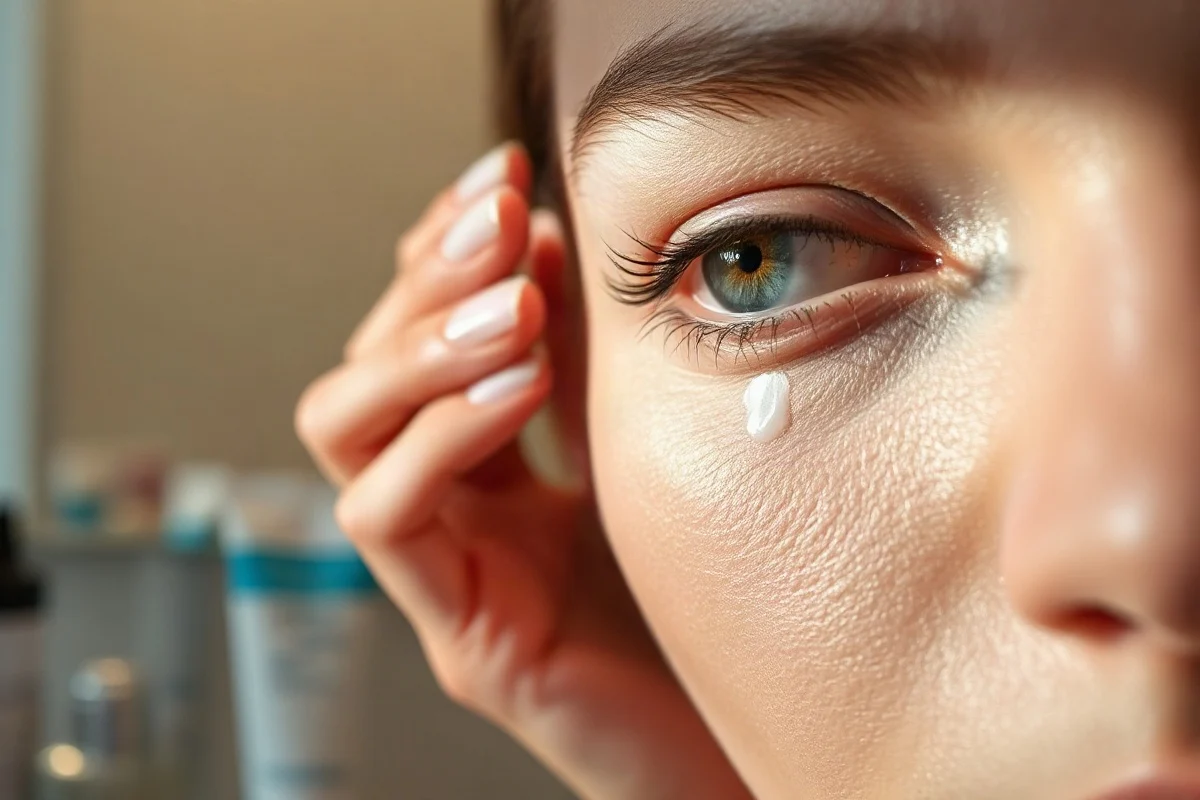
Retinol can make the under-eye area feel dry because it may increase skin irritation and temporarily weaken the barrier that helps hold in moisture. The skin around the eyes is especially thin and sensitive, so even a product that feels comfortable elsewhere on the face can cause tightness, flaking, stinging, or rough texture in this area. This does not necessarily mean retinol is permanently damaging your skin, but it is a sign to reduce irritation and reconsider how, where, and how often you apply it.
Retinol is a vitamin A derivative commonly used in cosmetic skin-care products. With consistent use, it may help improve the look of uneven texture and the appearance of fine lines. Those potential cosmetic benefits do not make it risk-free, particularly around the eyes. Dryness is one of the most common reasons people stop using retinol eye products before they have decided whether the product suits them.
Why the eye area dries out more easily
The under-eye area has less cushioning and fewer oil-producing glands than many other parts of the face. Its surface can also be exposed to frequent movement from blinking, squinting, facial expressions, and rubbing. These factors can make the area feel uncomfortable when the skin barrier is stressed.
A healthy skin barrier helps reduce water loss and provides some protection from potential irritants. When retinol is introduced too quickly, used too often, or applied too close to the eyes, the skin may become more reactive. Cleansers, makeup removal, cold weather, dry indoor air, and other active ingredients can add to that stress.
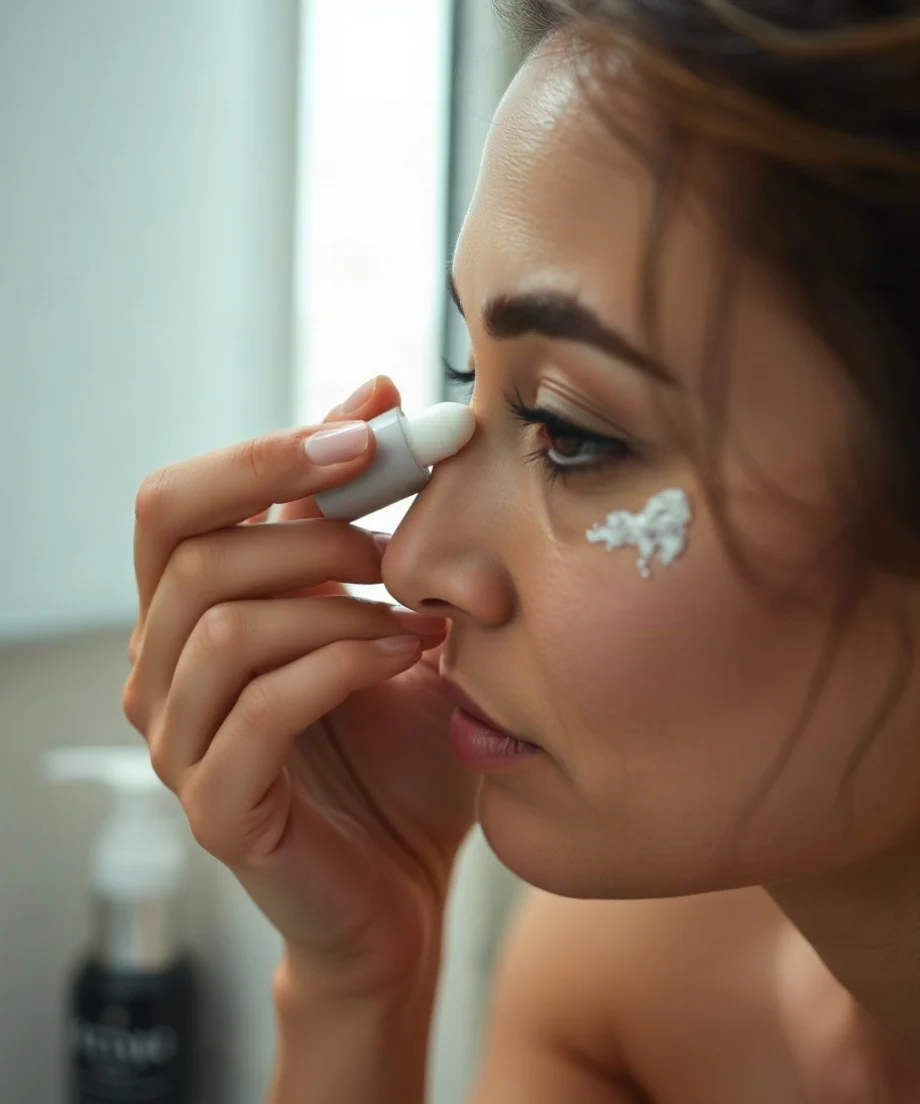
Dryness may show up as tightness, small flakes, rough patches, increased sensitivity, or a feeling that moisturizer is no longer enough. Some people notice temporary redness or burning as well. These signs are not a diagnosis, and persistent or severe symptoms should be evaluated by a qualified health professional.
How retinol may contribute to dryness
It can increase the skin’s adjustment period
Retinol can change how skin cells behave at the surface. During the adjustment period, some users experience increased dryness or peeling. This response is sometimes called irritation or retinization, but the name does not make the discomfort something you need to tolerate indefinitely. A mild adjustment may settle as the routine becomes more gradual; ongoing burning, cracking, swelling, or worsening redness is a reason to stop and reassess.
The product may be too strong for the area
Eye-area products are not automatically suitable for every person, and a retinol product formulated for the face may be too irritating when applied near the eyes. Product strength, supporting ingredients, texture, packaging, and the user’s skin condition can all affect comfort. Because formulas can change, check the current packaging and the manufacturer’s ingredient list when product-specific details matter.
Application can increase exposure
Applying a large amount does not necessarily improve cosmetic results, but it can increase the chance of irritation. Retinol can also migrate after application, especially if it is placed directly along the lash line or too close to the corners of the eyes. Rubbing the area during application or makeup removal may make the problem worse.
How to use retinol more gently around the eyes
Start with less frequent use
If you are new to retinol, begin according to the product label and consider using it less frequently than you would a basic moisturizer. A slow introduction gives you more time to notice how your skin responds. Avoid increasing frequency simply because you have not seen a visible change yet. Cosmetic changes can take time, and using more product is not a reliable shortcut.
If dryness develops, pause until the skin feels comfortable again rather than applying retinol over visibly irritated skin. When you restart, use it less often or apply a smaller amount, provided that approach is consistent with the product directions. If irritation returns, discontinuing the product may be the most appropriate choice.
Keep the application area conservative
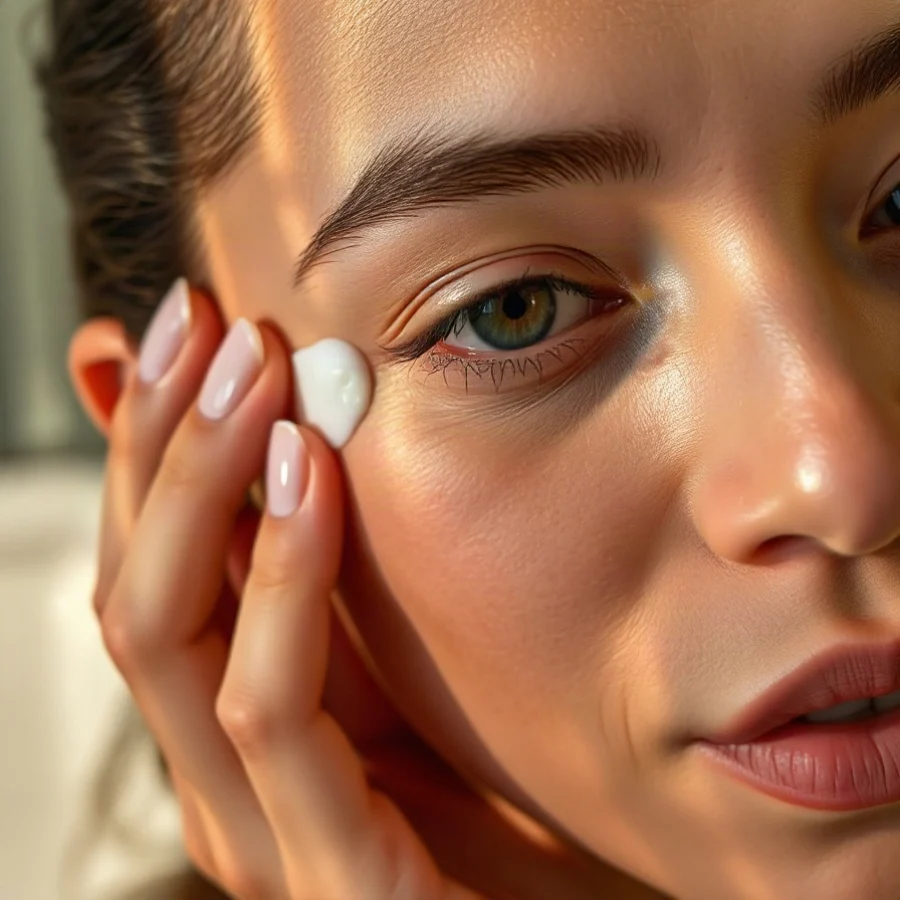
Use the amount directed on the label and avoid the eyelids, lash line, inner corners, and any area that is already cracked or irritated unless the product specifically states that those areas are appropriate. The under-eye area does not need to feel coated for a product to be applied evenly. Wash your hands before and after application, and avoid getting the product in your eyes.
Try the moisturizer sandwich approach
Some people find retinol more comfortable when they apply a plain moisturizer before and after the product. The first layer can provide a buffer, while the second layer helps reduce the feeling of dryness. This approach may also make it easier to use a small amount. However, it is not a guarantee against irritation, and the product label should remain the primary guide.
Choose a moisturizer with a simple, comfortable texture that does not sting. Ingredients commonly used to support moisturization include humectants, emollients, and occlusive ingredients. You can learn more about common eye-care ingredients in this eye cream ingredient guide.
Ingredients that may support a dry-feeling under-eye area
A retinol routine does not need to contain several additional actives. When dryness is the main concern, a straightforward moisturizer may be more useful than layering multiple treatment products. Look for ingredients that help attract or reduce the loss of water from the skin, such as glycerin, hyaluronic acid, squalane, petrolatum, or ceramides. The best choice depends on the rest of the formula and your personal comfort.
These ingredients can improve the feel and appearance of dryness, but they do not make retinol irritation impossible. A product may also contain fragrance, exfoliating acids, essential oils, or other ingredients that your skin does not tolerate well. Check the full current ingredient list instead of relying only on the front of the package.
If your skin is easily irritated, consider following a routine built around gentle cleansing, moisturizer, and daytime sun protection before adding more active products. Our guide to eye care for sensitive skin can help you think through texture, ingredient, and application choices without assuming that one formula works for everyone.
What to avoid while your skin adjusts
Using several potentially irritating products at the same time can make it difficult to identify the source of dryness. Consider avoiding or separating retinol from exfoliating acids, scrubs, strong fragrance, and other retinoid products until you know how your skin responds. Be especially cautious with makeup removers or cleansers that leave the area feeling tight.
Physical rubbing is another frequent source of unnecessary irritation. Press a damp cotton pad gently against makeup instead of dragging it across the skin, and pat the area dry with a soft towel. If your eyes water, avoid repeatedly wiping the skin with a tissue or sleeve. Small changes in daily friction can make a noticeable difference in comfort.
Retinol dryness versus other reasons for under-eye discomfort
Not every dry or uncomfortable feeling is caused by retinol. A new cleanser, eye makeup, sunscreen, fragrance, contact lens solution, weather change, or habit of rubbing the eyes may be involved. The timing of the symptoms can provide a clue, but it cannot confirm the cause.
Dark circles, puffiness, and fine lines also have different visible causes. Dryness may make fine lines look more noticeable temporarily because rough, dehydrated skin reflects light unevenly. Moisturizing can improve the appearance of that surface texture, but it does not mean retinol has removed or treated the underlying cause of dark circles. For broader cosmetic guidance, see our resources on dark circles and fine lines and wrinkles.
When to stop using retinol
Stop using the product if you develop significant burning, swelling, painful cracking, blistering, pronounced redness, or irritation that does not improve with a break. Avoid applying retinol to broken or actively irritated skin. If symptoms are severe, persistent, spreading, or affecting the eyes themselves, seek advice from a qualified medical professional.
A patch test can help you identify whether a product is likely to irritate a particular area, although it cannot predict every reaction. Follow the product’s directions for patch testing when provided. If you have a history of significant skin sensitivity or an existing eye-area concern, professional guidance may be more appropriate than experimenting with multiple active products.
How to decide whether retinol belongs in your routine
Retinol is optional, not a required step in under-eye care. If your main goal is to reduce a dry, tight feeling, start with a gentle moisturizer and consistent daytime sun protection. If you later choose to try retinol, select a product with clear directions, introduce it gradually, and give your skin enough recovery time between applications.
Pay attention to comfort rather than chasing the strongest possible routine. A product that causes repeated irritation is unlikely to be a practical long-term choice, even if its ingredient list looks appealing. If you are comparing products, remember that packaging and formulas may change; verify the current label and manufacturer information before purchasing or applying anything near the eyes.

Comments
0No comments yet. Be the first to share a helpful note or question.
Leave a Comment
Your email address will not be published. Comments are reviewed before appearing on the site.