
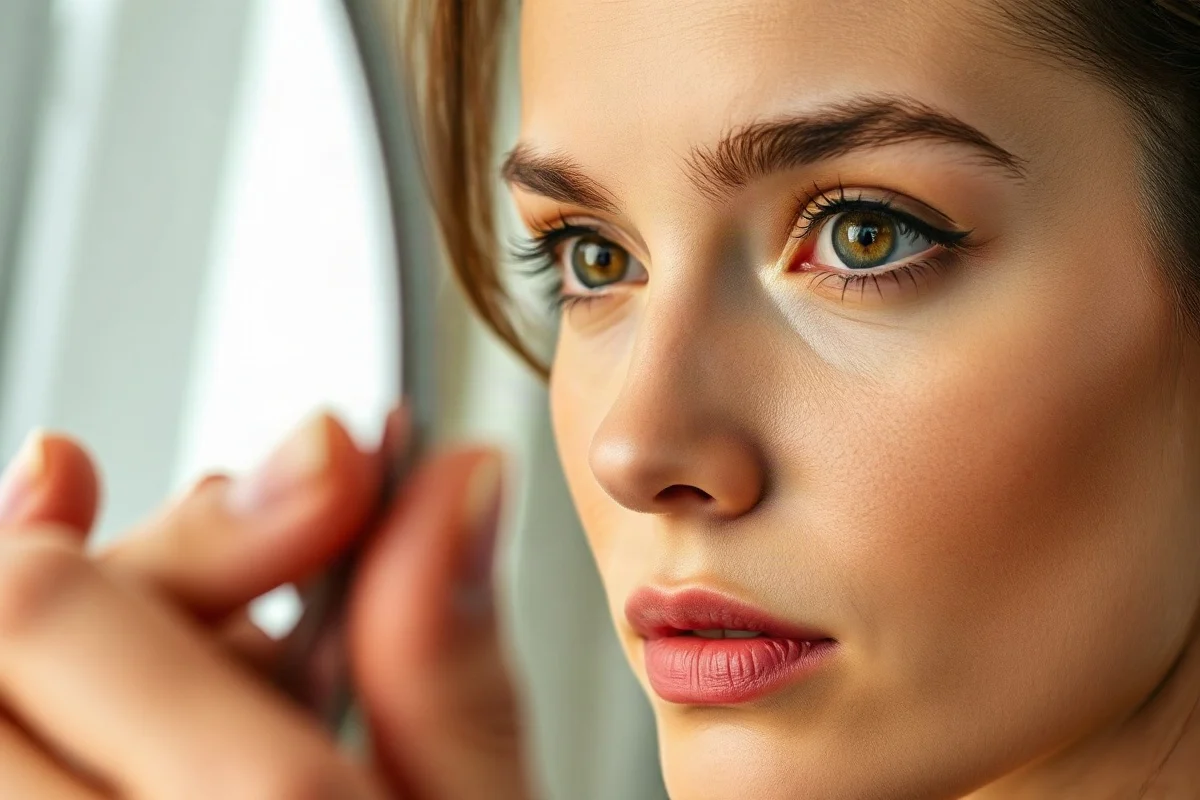
Thin under-eye skin can make dark circles look more visible because the skin allows more of the underlying color and structure to show through. Blood vessels may appear blue, purple, or reddish, while hollowness can create shadows that deepen the appearance. Dryness, irritation, allergies, genetics, sun exposure, and natural changes in skin structure can add to the effect. Eye cream may improve hydration and the look of some contributing factors, but it cannot change your anatomy or guarantee that dark circles will disappear.
Why the under-eye area looks different
The skin beneath the eyes is delicate and has less structural support than many other areas of the face. It also sits over a complex combination of blood vessels, connective tissue, muscle, and fat. Because the surface is relatively fine, changes beneath it can be easier to see.
This does not mean that every dark circle comes from thin skin. The appearance may result from more than one factor at the same time. Some people mainly notice brown or gray discoloration. Others see blue or purple tones, a shadow from a hollow under the eye, or puffiness that changes the way light falls across the area. Thin skin can make each of these visual effects more noticeable without being the only cause.
Visible blood vessels and skin tone
When skin is translucent, the color of blood vessels below the surface may show through more clearly. This can produce a bluish, purplish, or reddish cast. The exact appearance varies with natural skin tone, vessel visibility, lighting, and the condition of the skin barrier.

Topical skincare cannot remove visible vessels or rewrite inherited anatomy. However, a moisturizer may make the surface look smoother and less creased, which can slightly change how light reflects from the area. Makeup and color-correcting products can also temporarily alter the appearance, but they do not change the underlying cause.
Hollows and shadows
A tear-trough hollow or a change in under-eye volume can create a shadow that resembles discoloration. In this situation, the skin may not be substantially darker; the area simply appears deeper because of the angle of light. Thin skin can make the transition between the lower eyelid and cheek look more pronounced.
Skincare may support hydration and surface smoothness, but it cannot fill a hollow. If a new, pronounced, or one-sided change concerns you, a qualified medical professional can help determine whether it needs evaluation. This article focuses on cosmetic appearance and is not a diagnosis.
What can make thin under-eye skin look darker
Several everyday factors can make the area appear more noticeable even when the thickness of the skin has not changed dramatically.

- Dryness: Dehydrated skin can emphasize fine texture and make the under-eye area look dull or creased.
- Irritation: Rubbing, harsh products, or an impaired skin barrier may cause redness and make discoloration stand out.
- Sun exposure: Ultraviolet exposure can contribute to visible uneven tone and may make existing pigmentation more apparent.
- Allergy-related rubbing: Frequent rubbing can temporarily worsen redness and swelling, while repeated friction may leave the area looking more uneven.
- Fatigue and fluid changes: Lack of rest, crying, or temporary fluid retention can increase puffiness and shadows, although these are not the only possible explanations for dark circles.
- Age-related changes: Skin structure, facial volume, and elasticity naturally change over time, which may affect translucency, texture, and shadowing.
- Genetics: Inherited skin tone, facial structure, and the tendency toward visible vessels or pigmentation can strongly influence appearance.
For a broader overview of possible contributors, see the dark circles guide. The goal is not to identify a single universal cause, but to choose care that matches what you actually see.
Which ingredients may support the look of the area?
Eye products are most useful when their claims are modest and their formulas suit your skin. Ingredients can support hydration, comfort, and the appearance of brightness or smoothness, but cosmetic improvement is usually limited and varies from person to person.
Humectants and moisturizers
Humectants such as glycerin and hyaluronic acid help attract water to the outer layers of skin. Emollients and occlusive ingredients can help soften rough texture and reduce moisture loss. Better hydration may make fine lines look less emphasized and may give the under-eye area a smoother, more rested appearance.
These ingredients do not thicken the skin in a way that permanently conceals vessels, and they do not remove pigmentation. Their value is mainly in supporting the skin barrier and improving surface feel and appearance.
Caffeine
Caffeine is commonly used in eye products intended for the look of puffiness. A temporarily less puffy appearance may reduce some shadowing, especially when fluid retention is part of what you notice. Results are not guaranteed, and a caffeine product is unlikely to address every type of dark circle.
Read the current ingredient list and directions before use. Formulas can change, so product information should be confirmed on the package or the manufacturer's current website. You can learn more about the category in this guide to caffeine eye cream.
Vitamin C and other brightening ingredients
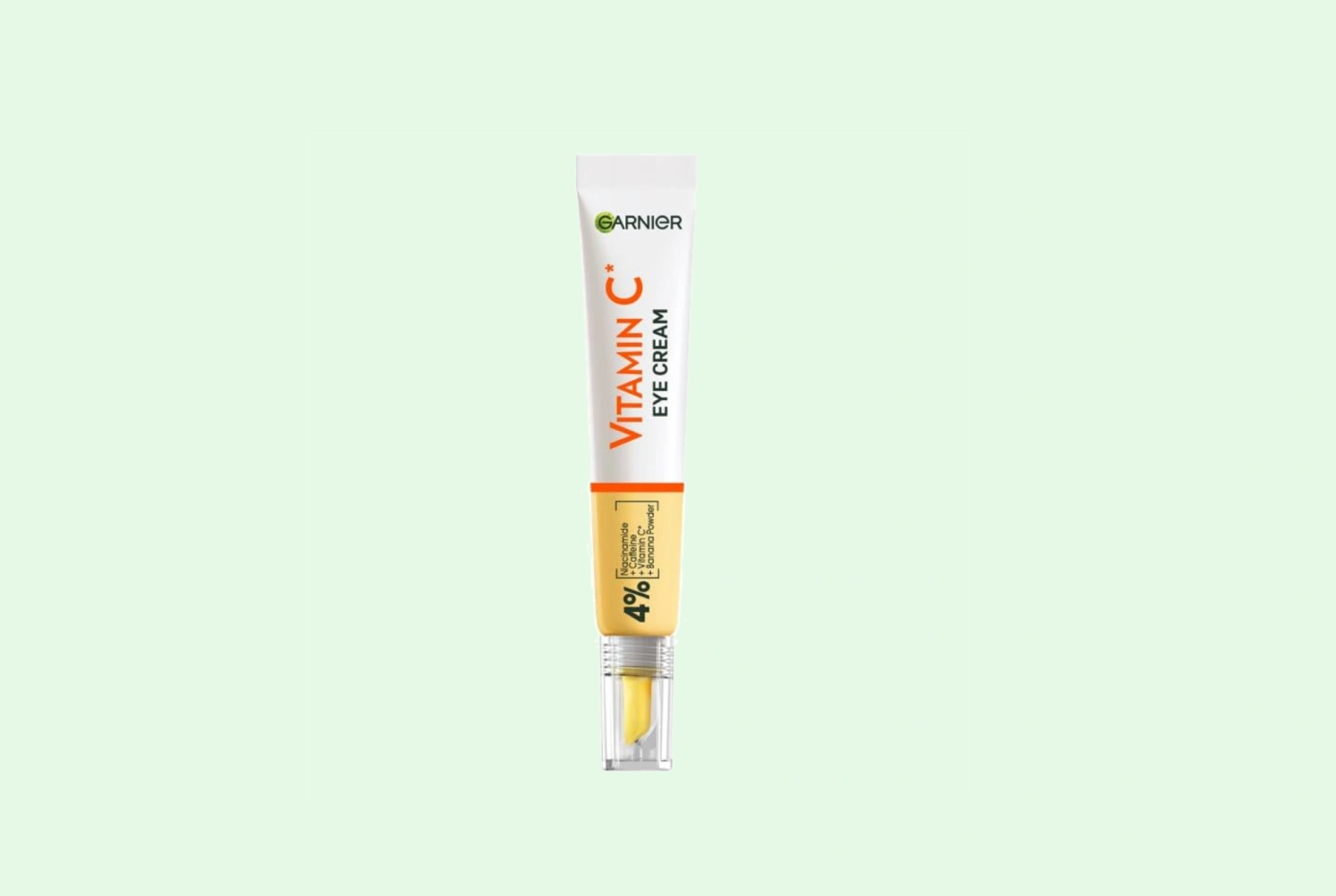
Vitamin C and other tone-supporting ingredients may help improve the look of uneven pigmentation over time for some users. The specific form, formula, packaging, and tolerability matter, and not every product marketed for brightening will suit the thin skin around the eyes.
Keep the product away from the eye itself, follow the label, and introduce one new active at a time. Stinging, burning, persistent redness, or swelling is a reason to stop using the product and reassess. A product that irritates the area can make the appearance look worse rather than better.
Retinoids and texture-focused care
Retinoid products are often selected for the appearance of fine lines and uneven texture. Because the eye area can be especially sensitive, a product made for the eye area may have different directions from a facial retinoid, but you should not assume that any retinoid is appropriate near the eyes.
Follow the product label carefully, use only as directed, and consider professional advice if you have sensitive skin, eczema, frequent irritation, or an eye condition. Avoid applying it directly to the eyelids or too close to the eye unless the product specifically instructs you to do so. More product or more frequent application is not necessarily better.
For ingredient-by-ingredient background, use the site's eye cream ingredient guide. It can help you compare the intended role of an ingredient without treating a cosmetic product as medical treatment.
How to care for thin under-eye skin
Keep the routine simple
A gentle cleanser, a well-tolerated moisturizer, and daytime sun protection can form a practical foundation. Apply products with a light tapping motion rather than pulling or rubbing the skin. Use only a small amount and follow the product's placement instructions.
If you use sunscreen around the eyes, choose one that you can apply comfortably and keep it out of the eye itself. Sunglasses and a hat can provide additional protection from direct sun exposure. If a sunscreen repeatedly stings or causes watering, look for a more comfortable option instead of forcing yourself to continue with it.
Patch-test new products
Patch testing can reduce the chance of applying an irritating product directly to the under-eye area, although it cannot predict every reaction. Introduce new products gradually, particularly when they contain exfoliating acids, retinoids, fragrance, or other potentially irritating ingredients. Follow the label and stop use if you develop burning, swelling, rash, or ongoing redness.
Address habits that increase visibility
Try to avoid rubbing your eyes, especially if they feel itchy. Keep the rest of your routine gentle and remove eye makeup without scrubbing. These steps may not change inherited dark circles, but they can reduce avoidable irritation and help the area look calmer.
For a more personalized cosmetic routine framework, the under-eye routine builder can help organize product choices by concern and skin needs.
What eye cream can and cannot do
An eye cream may temporarily improve hydration, softness, and the look of fine texture. Depending on its ingredients, it may also make puffiness or uneven tone appear less noticeable. These are cosmetic benefits, and they tend to depend on consistent use, tolerance, lighting, and the reason the circles are visible in the first place.
An eye cream cannot reliably alter facial structure, permanently thicken naturally thin skin, remove inherited shadows, or guarantee that visible vessels will disappear. Be cautious with claims that promise instant, permanent, or complete removal of dark circles. A product's marketing language is not proof that it can address every type of under-eye discoloration.
When to seek professional guidance
Consider asking a qualified healthcare professional about a new, sudden, painful, itchy, swollen, or one-sided change, especially if it affects vision or comes with other symptoms. Persistent irritation may also need professional attention rather than another cosmetic product. A medical professional can discuss possible causes and appropriate options; an eye cream should not be used as a substitute for evaluation.
Thin under-eye skin is one reason dark circles may stand out, but it is only part of a larger picture. Gentle hydration, sun protection, less rubbing, and carefully chosen ingredients can support a smoother, more comfortable appearance. The most realistic approach is to identify whether you are mainly seeing translucency, pigmentation, puffiness, texture, or shadowing, then choose products that support that cosmetic goal without expecting them to change the underlying anatomy.

Comments
0No comments yet. Be the first to share a helpful note or question.
Leave a Comment
Your email address will not be published. Comments are reviewed before appearing on the site.