

Vitamin C eye cream can sting around the eyes because the under-eye area is delicate, and some vitamin C formulas are acidic or contain other potentially irritating ingredients. A brief, mild sensation does not necessarily mean the product is working, but persistent burning, redness, swelling, watering, or discomfort is a reason to stop using it and rinse the area gently. The right response depends on the formula, your skin barrier, how much you apply, and whether the product is getting too close to the eyes.
Why the eye area reacts so easily
The skin around the eyes is thinner and more delicate than much of the skin on the face. It also has fewer oil-producing glands, which can make it more vulnerable to dryness and barrier disruption. Because the eyelids move frequently and the area is exposed to rubbing, cleansing, makeup removal, sweat, and environmental irritants, even a product that feels comfortable on the cheeks may feel too intense near the eyes.
Eye creams are designed for this region, but “eye cream” does not mean every formula will suit every person. Products can vary in vitamin C type, acidity, texture, fragrance, preservatives, and supporting ingredients. Formulas can also change, so check the current packaging and the manufacturer’s ingredient list when product-specific details matter.
Common reasons vitamin C eye cream stings
The formula may be acidic
Some vitamin C products use L-ascorbic acid, a direct form of vitamin C that is often formulated at a lower pH. Lower-pH formulas can create a tingling or stinging sensation, particularly when applied to dry, recently exfoliated, chapped, or otherwise sensitized skin. The strength and overall feel of a product cannot be determined reliably from its name alone, so avoid assuming that a formula will be gentle simply because it is marketed for the eye area.
Other products use vitamin C derivatives, which may feel more comfortable for some people. However, a derivative is not automatically irritation-free. The rest of the formula still matters, and individual tolerance varies.
Your skin barrier may already be stressed
Stinging can be more likely when the skin is dry or irritated before the eye cream is applied. Recent use of exfoliating acids, retinoids, strong cleansers, fragranced products, or frequent makeup removal may leave the area more reactive. Cold, windy, or very dry weather can also contribute to discomfort.
If the skin already feels tight, flaky, raw, or tender, adding a new active product may make the sensation worse. In that situation, simplifying your routine and focusing on basic moisturization may be more appropriate than trying to push through the reaction.
The product may be too close to the eye
Eye cream can migrate with warmth, facial movement, sweat, or rubbing. Applying it directly along the lash line or too close to the inner corner increases the chance that it will enter the eye. Ingredients that are tolerable on the surrounding skin can feel very uncomfortable on the eye itself.
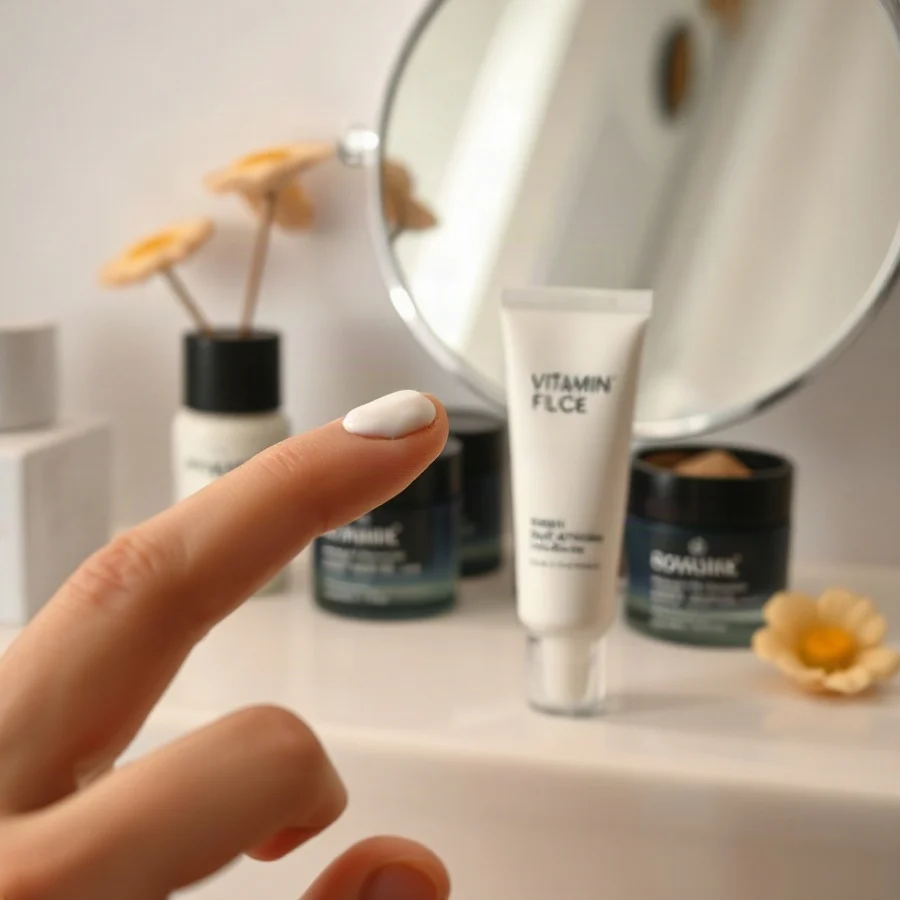
Use a small amount and place it on the orbital area, generally along the orbital bone rather than directly on the eyelids or lash line, unless the product label specifically gives different directions. Avoid applying it to broken or visibly irritated skin.
Another ingredient may be responsible
Vitamin C may not be the only possible source of stinging. A formula may also contain fragrance, essential oils, exfoliating ingredients, retinoids, solvents, preservatives, or other active ingredients. Even a fragrance-free product can cause irritation if your skin does not tolerate another component.
When investigating a reaction, look at the complete current ingredient list rather than focusing only on the headline ingredient. If the same product causes discomfort every time you use it, continuing to test it repeatedly may not be helpful.
Is tingling normal with vitamin C eye cream?
A mild, short-lived tingling sensation can occur with some vitamin C products, especially those with a more acidic formula. Still, “normal” should not be used to dismiss warning signs. Skincare should not cause ongoing burning or escalating discomfort, and a strong reaction is not evidence that the product is more effective.
Pay attention to what happens after application. Temporary mild tingling without visible irritation may be different from burning that continues, redness that spreads, swelling, rash, peeling, watering, or pain. These symptoms suggest that your skin or eyes are not tolerating the product well. Stop using it if irritation develops, and seek medical advice for severe, persistent, or concerning symptoms.
How to reduce the chance of stinging
Start with a small amount
More product does not necessarily produce better cosmetic results. Apply only the amount directed on the label, using a light touch. Avoid rubbing, since friction can increase sensitivity and encourage the product to move into the eyes.
Use it on calm, dry skin
Follow the product directions, but consider avoiding application immediately after cleansing if your skin feels hot, tight, or damp and reactive. Letting the area settle may make the application more comfortable. Do not apply vitamin C eye cream over freshly exfoliated or visibly compromised skin.
Introduce it gradually
If you have sensitive skin or are new to active eye products, begin less frequently than daily unless the label directs otherwise. Give your skin time to show how it responds before adding more frequent applications. A gradual approach can also make it easier to identify whether the product is contributing to irritation.
For more routine-planning ideas, the Under-Eye Routine Builder can help you think through product choices based on common concerns and skin preferences.
Separate potentially irritating actives
Be cautious about using vitamin C eye cream at the same time as other strong actives around the eyes. Depending on the products, combining vitamin C with exfoliating acids, retinoids, or other active treatments may increase the chance of dryness or irritation. You do not necessarily need to avoid every active ingredient, but introducing products one at a time makes your routine easier to evaluate.
If you already use a retinol eye product or exfoliating treatment, consider using it on a different routine day while you assess the vitamin C product. Always follow the instructions for each product, and avoid combining products when the labels advise against it.
Patch test thoughtfully
A patch test cannot guarantee that a product will be comfortable around the eyes, but it may help you identify an obvious reaction before applying the product to the under-eye area. Follow the brand’s patch-testing directions when provided. If irritation occurs during testing, do not apply the product near the eyes.
Choosing a gentler vitamin C eye cream
When shopping, look beyond the words “brightening” or “vitamin C.” Consider whether the product is clearly intended for the eye area, whether the directions explain where and how to apply it, and whether the formula contains ingredients you already know your skin does not tolerate.
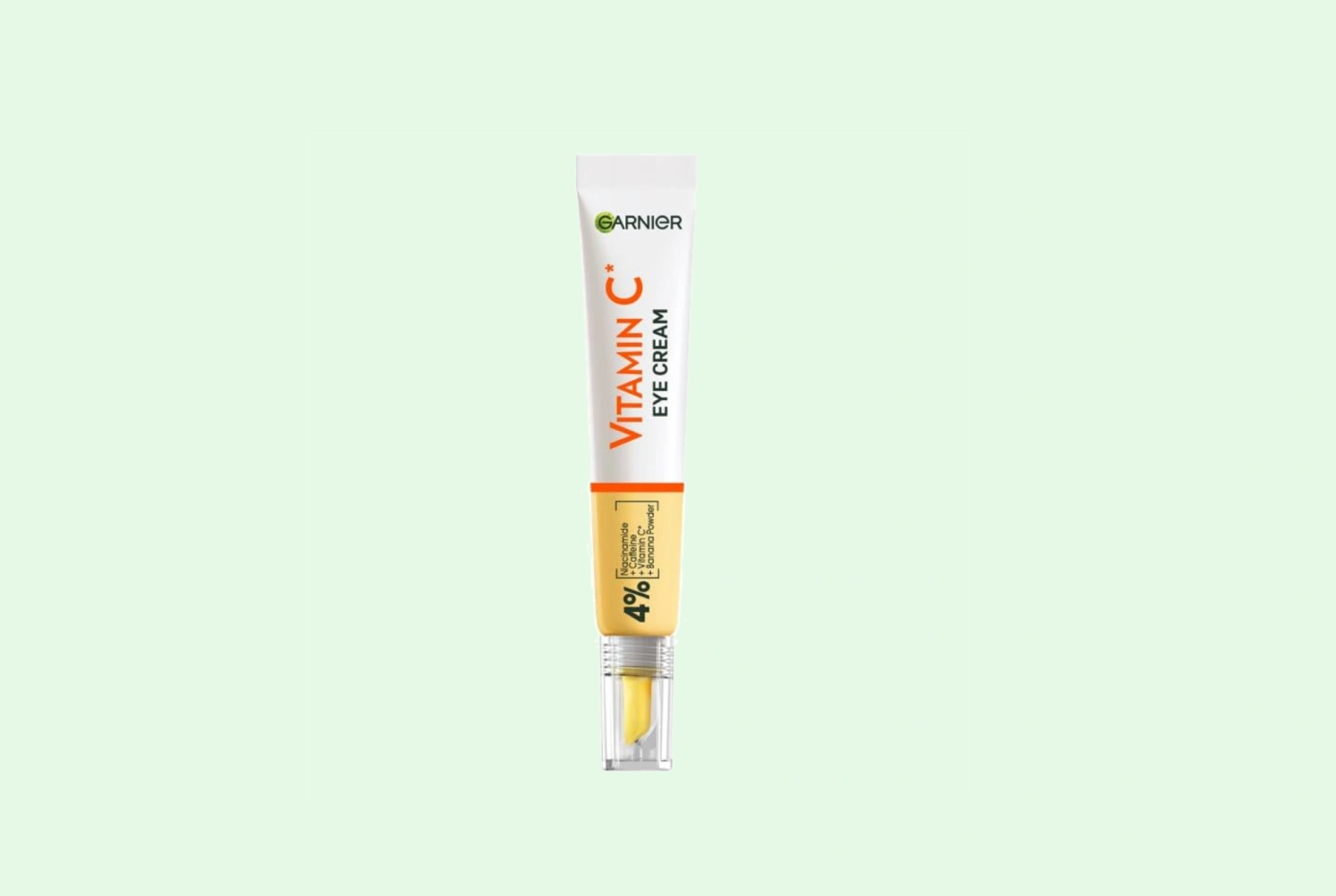
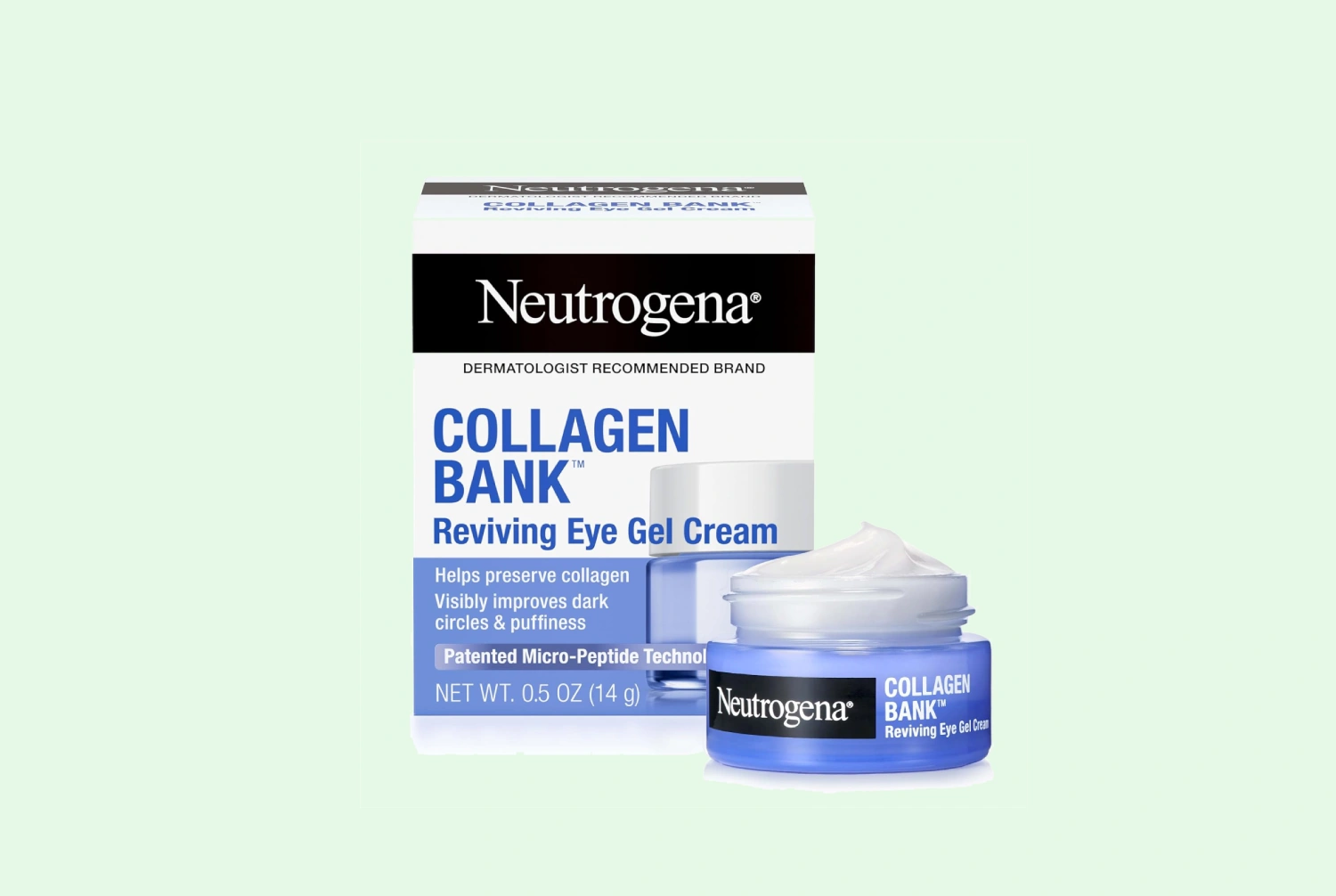
People with reactive skin may prefer a simpler, fragrance-free formula, although no ingredient list can predict individual tolerance with certainty. A product containing a vitamin C derivative may be worth considering if acidic formulas tend to sting, but that is not a guarantee of comfort. Read the current label because ingredient lists, packaging, and directions may change.
You can compare vitamin C with other common eye-area ingredients in the Eye Cream Ingredient Guide. The goal is not to collect multiple actives; it is to choose a routine that your skin can comfortably tolerate.
What vitamin C eye cream can and cannot do
Vitamin C is commonly used in cosmetic skincare to support a brighter-looking, more even appearance. Depending on the formula and consistent use, an eye cream containing vitamin C may make the under-eye area look fresher or help support the appearance of dullness. Results vary, and a topical product cannot be expected to change every type of dark circle.
Dark circles can look different from person to person. Their appearance may be influenced by visible blood vessels, natural pigmentation, shadows from facial structure, thin skin, dryness, lack of sleep, allergies, or other factors. An eye cream may be more useful for the appearance of surface dullness or dryness than for shadows caused primarily by anatomy. It should not be presented as a treatment for a medical condition.
Vitamin C also does not guarantee that puffiness, fine lines, or discoloration will disappear. If your main concern is puffiness, a product and routine designed around that concern may be more relevant. You can explore the publication’s guides to puffiness and eye bags and fine lines and wrinkles for more targeted cosmetic guidance.
When to stop using it
Stop using the product if you experience persistent burning, significant redness, swelling, a rash, pronounced peeling, eye pain, changes in vision, or repeated watering. Rinse the area gently with lukewarm water if needed, and avoid adding more active products while the skin settles. Do not use a product that appears contaminated, smells noticeably different, or has changed in texture or color in a way that concerns you.
For symptoms involving the eye itself, severe swelling, breathing problems, or a reaction that does not improve, contact a qualified medical professional promptly. A skincare article cannot diagnose the cause of eye-area symptoms.
A calmer way to use vitamin C around the eyes
The most practical approach is to treat stinging as useful feedback, not as proof of performance. Check the current ingredient list, apply a small amount away from the lash line, introduce the product gradually, and avoid layering it with other potentially irritating actives until you know how your skin responds. If discomfort continues, choose a simpler routine or discontinue the product.
Comfort and consistency matter more than forcing a strong formula. A well-tolerated eye cream may support a smoother, brighter-looking under-eye appearance over time, while realistic expectations help you judge the product without mistaking irritation for results.

Comments
0No comments yet. Be the first to share a helpful note or question.
Leave a Comment
Your email address will not be published. Comments are reviewed before appearing on the site.