
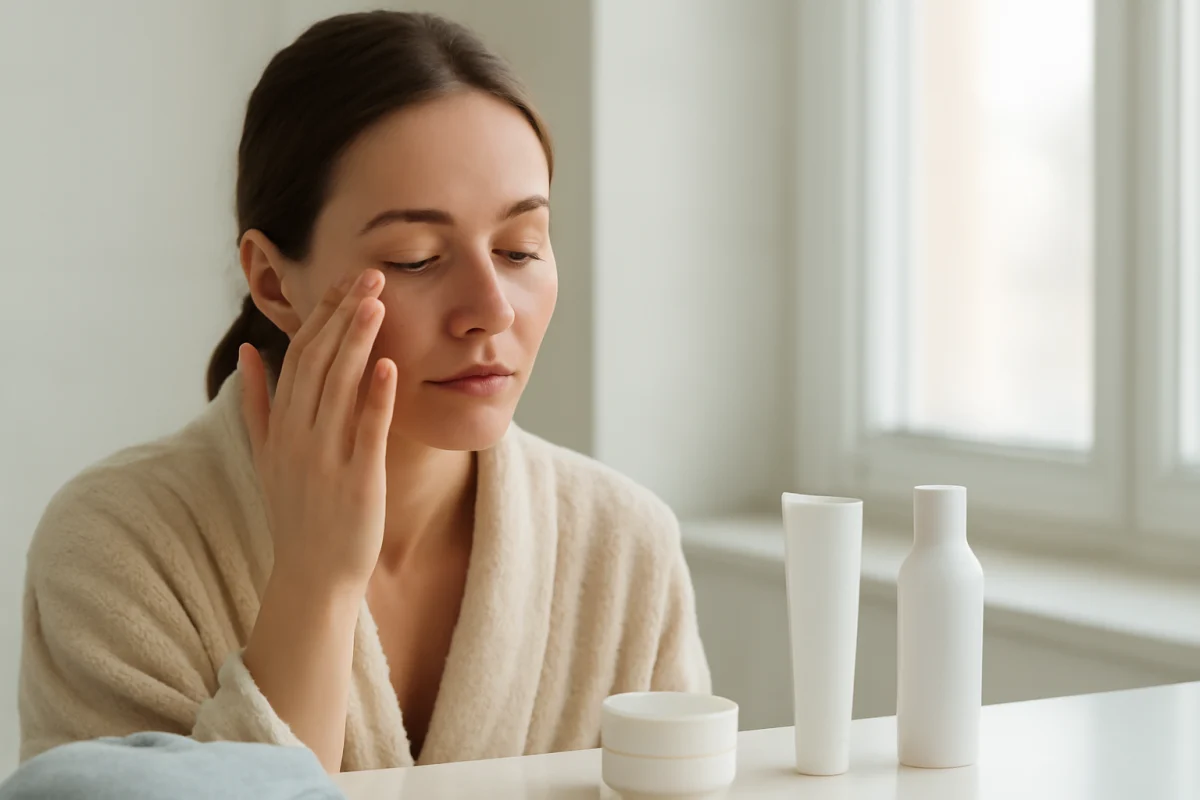
The best morning routine for tired-looking under-eyes is simple: use a cool compress, apply a gentle hydrating eye product, protect the area from daylight, and give any de-puffing or brightening ingredient time to work. This approach can temporarily improve the appearance of puffiness, dryness, dullness, and shadows, but it cannot erase every type of dark circle or replace medical care for an underlying concern.
Why under-eyes can look tired in the morning
Under-eye skin often looks different after sleep because several cosmetic factors can overlap. Fluid may collect around the eyes, especially after a salty meal, alcohol, crying, sleeping in a position that allows fluid to settle, or simply having a naturally puffy eye area. Dryness can also make fine lines look more noticeable and cause concealer to catch on the skin.
Dark circles are not all the same. Some are mainly related to brown-looking discoloration, while others appear blue, purple, or gray because of thin skin and visible underlying structures. Shadows from the shape of the eye socket or a natural hollow can also make the area appear darker without being a surface pigment issue. For more context, see our guide to dark circles versus under-eye shadows.
A morning routine can improve the surface appearance and reduce the look of temporary swelling. It is less likely to dramatically change genetic traits, pronounced hollows, persistent discoloration, or changes associated with aging. Setting realistic expectations helps you choose products based on the concern you actually see.
Step 1: Cleanse only when you need to
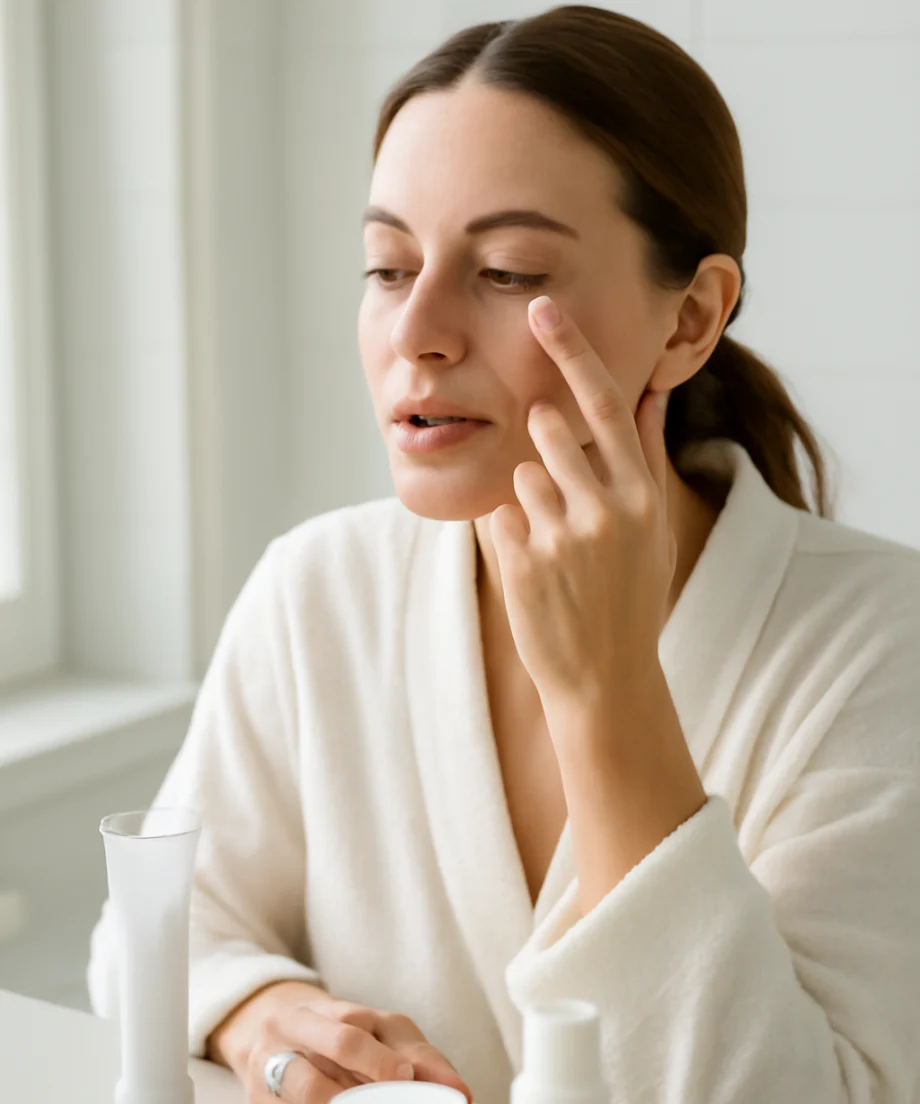
Start with clean hands. If your face feels comfortable and you cleansed thoroughly the night before, you may not need an aggressive morning cleanser around the eyes. Rinsing with lukewarm water or using a gentle, fragrance-free cleanser can be enough for many people.
Avoid scrubbing, rubbing with a washcloth, or tugging the lower eyelid. The skin in this area is delicate, and mechanical friction can leave it looking temporarily red or irritated. If you wear waterproof makeup or have residue from a rich nighttime product, remove it with a suitable gentle cleanser or makeup remover. Let the product dissolve makeup before wiping rather than repeatedly dragging the skin.
Step 2: Use cool compression for temporary puffiness
A cool compress is one of the quickest ways to make morning puffiness look less prominent. Place a clean, cool, damp cloth over closed eyes for a few minutes. You can also use a clean gel eye mask if its instructions allow it, but it should feel cool rather than painfully cold.
Do not place ice directly on the skin, and do not press firmly on the eyeballs or swollen tissue. Keep the compress clean, particularly if you are prone to irritation or breakouts. The visible effect is temporary and mainly cosmetic. A cool compress does not identify or treat the reason for persistent swelling.
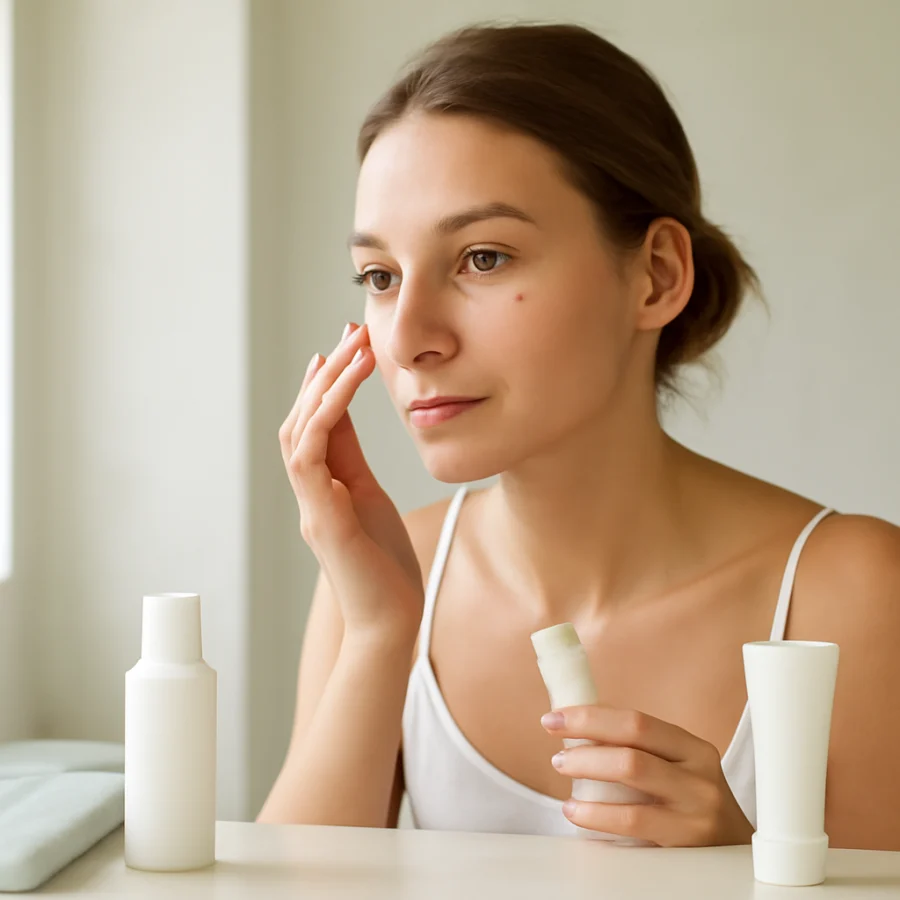
Gentle application of an eye product after the compress can also help prevent unnecessary pulling. Use your ring finger or the lightest touch that allows even application, and follow the product label for the recommended amount and placement.
Step 3: Apply a lightweight hydrating eye product
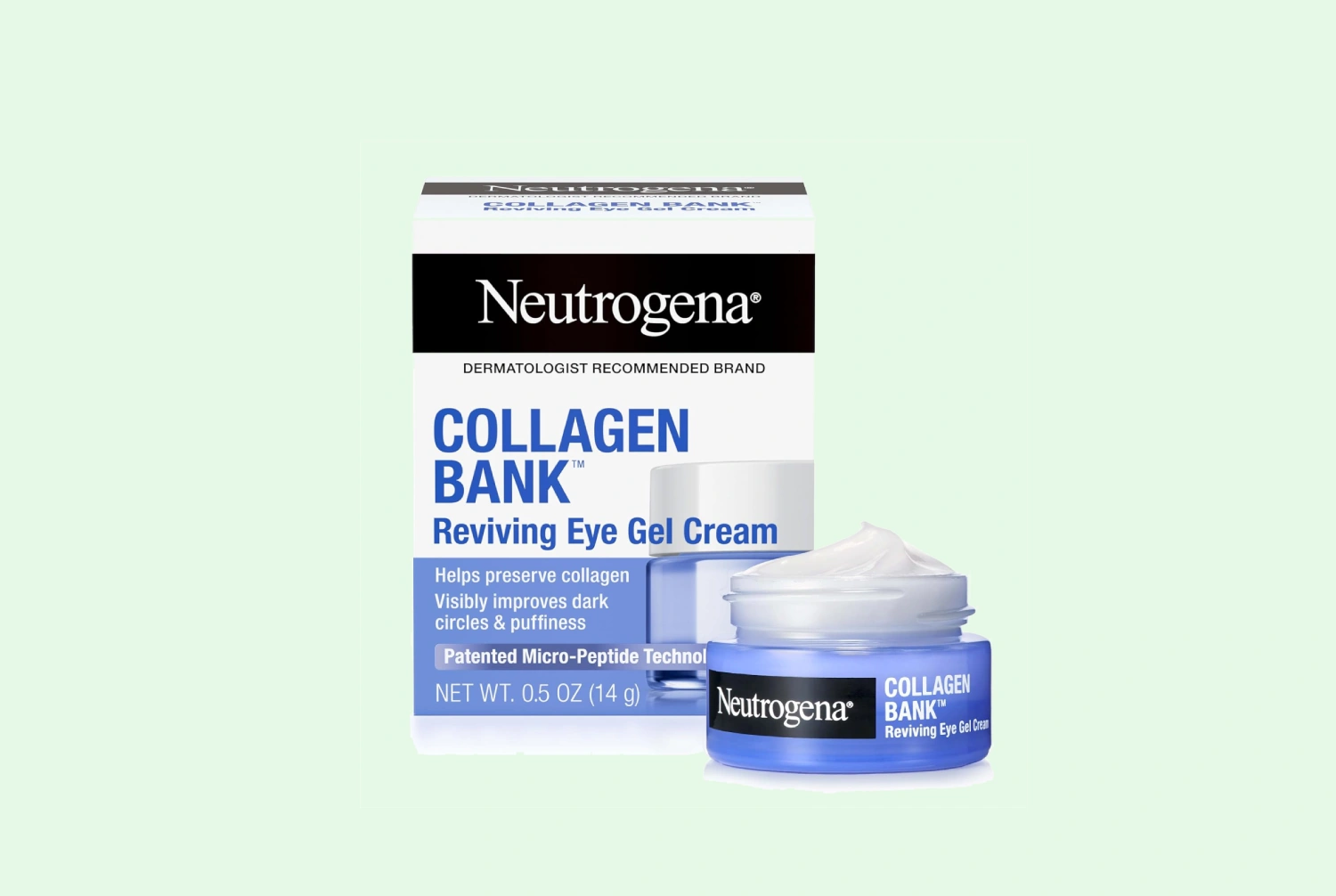
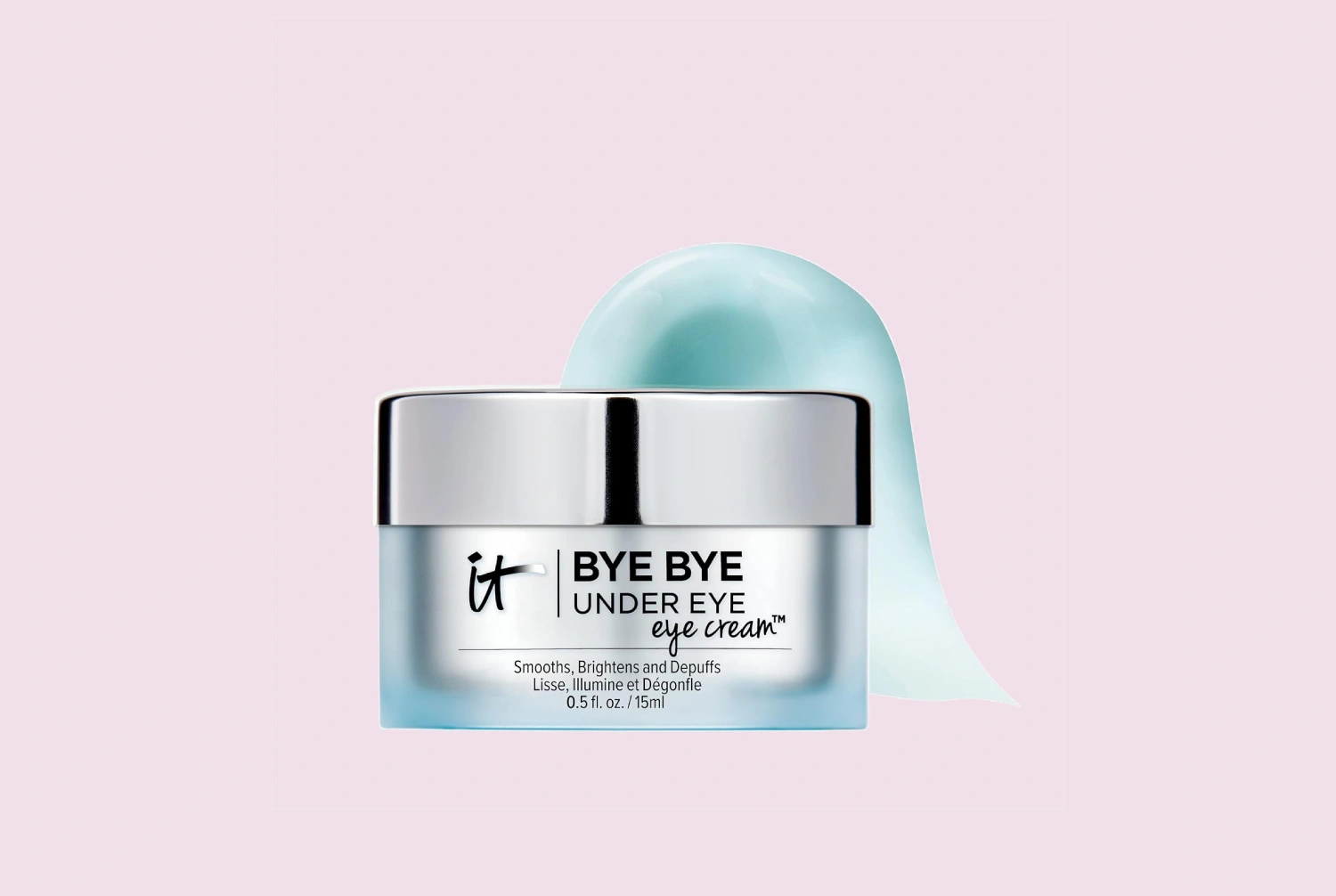
Hydration can make the under-eye area look smoother and more comfortable, particularly when dryness makes fine lines or creasing stand out. Look for a formula that feels comfortable on your skin and does not sting. Common hydrating ingredients may include humectants such as glycerin or hyaluronic acid, along with emollients that help soften the skin.
Ingredient lists and formulas can change, so verify the current packaging or manufacturer ingredient list before buying or using a product. You can browse our eye cream ingredient guide when comparing what different ingredients are intended to do.
Use a small amount and keep it on the orbital area rather than placing product directly into the eye or too close to the lash line. Eye products can migrate as they warm on the skin. If you experience watering, burning, itching, swelling, or persistent redness, remove the product and stop using it.
Step 4: Choose one targeted morning ingredient
You do not need to layer several active ingredients to create an effective routine. Choosing one product that matches your main concern can make the routine easier to tolerate and evaluate.
For temporary-looking puffiness: consider caffeine
Caffeine is commonly used in eye products designed for the appearance of puffiness and tired-looking skin. It may create a more awake-looking appearance for some people, but responses vary and the effect should not be treated as a permanent solution. Learn more in our guide to what caffeine may do for the appearance of dark circles.
Use the product as directed and avoid applying it to irritated or broken skin. A caffeine product will not necessarily change shadows caused by facial structure, genetic traits, or long-standing pigmentation.
For dull-looking skin: consider a brightening formula
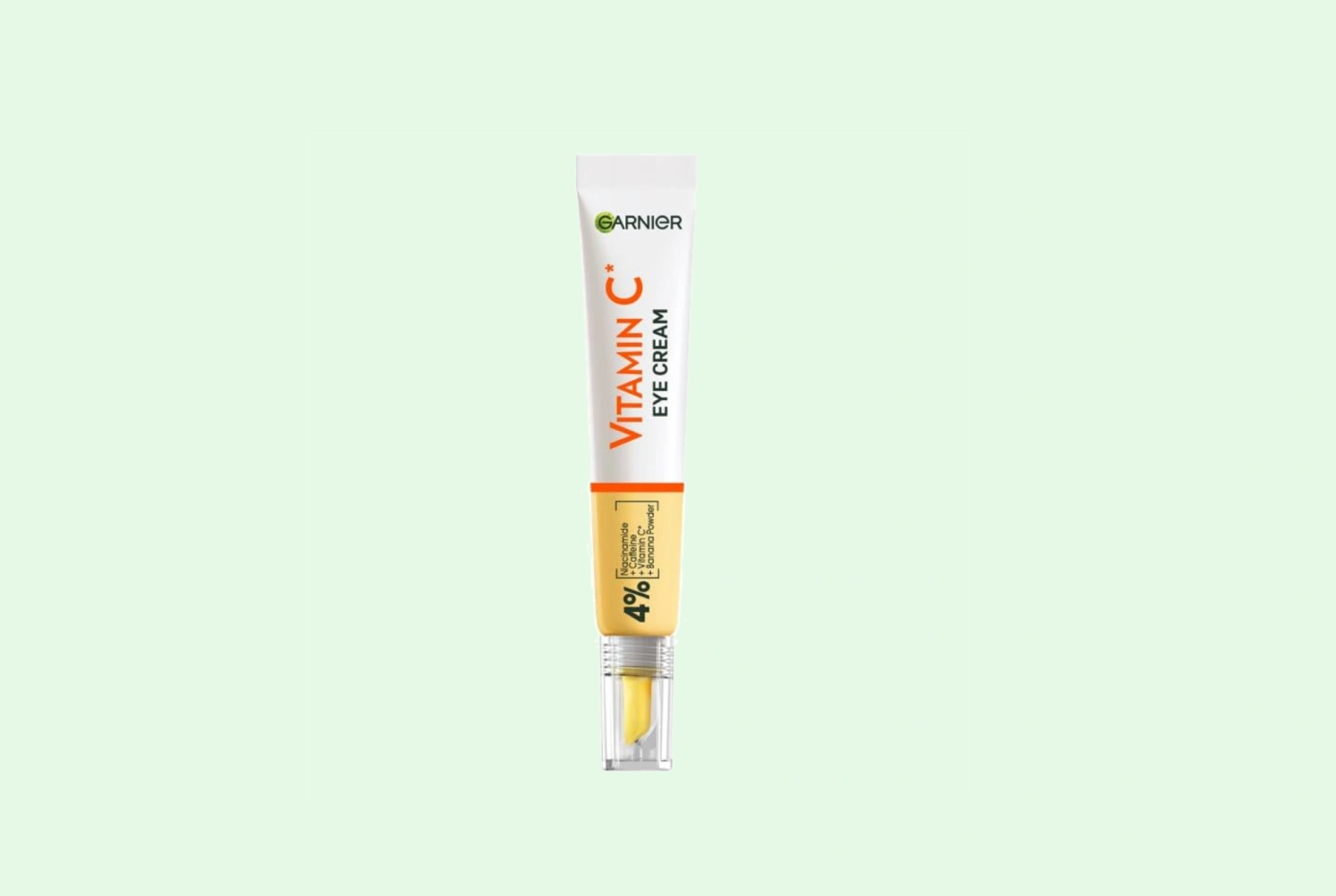
Some morning eye products contain brightening ingredients such as vitamin C derivatives, niacinamide, or other ingredients selected for the appearance of uneven tone. These products may support a more even-looking complexion over time, but results depend on the formula, the type of discoloration, and consistent sun protection.
Brightening products can irritate sensitive skin, especially when several active ingredients are combined. Follow the label, introduce one new product at a time, and consider a patch test before applying it near the eyes. Stop using it if irritation develops. Read our overview of vitamin C for dark circles for a closer look at realistic expectations.
For fine lines made more visible by dryness: prioritize comfort
If the area looks creased because it feels dry, a bland moisturizing eye product may be more useful than a strong active in the morning. Ingredients such as emollients and occlusive agents can help reduce the rough, tight feeling that makes texture more noticeable. A smoother surface may also help makeup apply more evenly.
Retinoids are usually better suited to a carefully planned evening routine rather than a rushed morning application. They can be irritating, and the delicate eye area requires particular caution. If you use a retinol eye product, follow its label and avoid combining it casually with other potentially irritating actives. Sunscreen remains important because retinoid routines can increase sensitivity for some users.
Step 5: Apply sunscreen around the eye area carefully
Daylight can contribute to the appearance of uneven pigmentation and visible signs of skin aging. Apply a broad-spectrum sunscreen to the surrounding face and the areas recommended on its label, taking care to avoid direct contact with the eyes. Sunglasses and a hat can provide additional physical protection when you are outdoors.
If sunscreen stings or causes watery eyes, try a formula designed for sensitive skin or use physical coverage around the eye area while keeping the product out of the eyes. The best option is one you can apply consistently and comfortably. Reapply according to the product directions and your exposure.
Step 6: Give products time to settle before makeup
Wait briefly after applying skincare so the product can settle before concealer. Applying too much eye cream immediately before makeup can encourage slipping, creasing, or pilling. If the area still feels tacky, gently press away excess with a clean fingertip rather than rubbing.
For makeup, use thin layers. A small amount of color-correcting product may help balance the appearance of blue, purple, or brown-looking tones, while a lightweight concealer can even out the overall look. Choose coverage based on the result you want instead of repeatedly adding layers. Excess product can emphasize texture and fine lines.
How to adjust the routine for different under-eye concerns
If puffiness is your main concern
Keep the morning routine light, use a cool compress, and avoid rubbing. Notice whether your eyes look different after late meals, alcohol, seasonal exposure, or poor sleep. These observations can help you decide which habits affect your appearance, but they do not establish a medical cause.
If discoloration is your main concern
Focus on daily sun protection and choose one gentle brightening product rather than stacking multiple actives. Take occasional photographs in similar lighting if you want to assess gradual cosmetic changes, since bathroom lighting and camera exposure can make circles look better or worse from day to day.
If dryness or fine lines is your main concern
Use a comfortable moisturizer, apply less makeup, and avoid rubbing during cleansing and removal. If an active product causes repeated stinging or peeling, it is not a good fit for your current routine, even if it is marketed for the eye area.
When morning under-eye changes deserve medical attention
Cosmetic skincare is appropriate for appearance concerns, but it cannot diagnose or treat a medical condition. Consider speaking with a qualified health professional if swelling is sudden, severe, painful, persistent, affects only one side, changes your vision, or occurs with other concerning symptoms. It is also reasonable to seek advice if ongoing itching, rash, watering, or irritation does not improve after stopping a product.
For persistent dark circles, a clinician can help discuss possible contributing factors and appropriate options. Avoid assuming that every tired-looking under-eye needs a stronger cream. Sometimes the most useful routine is the one that reduces irritation, protects the skin, and fits comfortably into your morning.
A practical morning checklist
- Wash your hands before touching the eye area.
- Cleanse gently, without scrubbing or pulling.
- Use a clean cool compress for temporary puffiness.
- Apply a small amount of comfortable, hydrating eye product.
- Choose one targeted ingredient if it matches your main concern.
- Use sunscreen carefully around, but not directly in, the eyes.
- Let skincare settle before applying thin layers of makeup.
- Stop any product that causes burning, itching, swelling, or ongoing redness.
A consistent routine can help tired-looking under-eyes appear more hydrated, rested, and even, especially when dryness or temporary puffiness is involved. The key is to match the routine to the visible concern, use gentle techniques, protect the area during the day, and allow realistic time for cosmetic changes rather than expecting an overnight transformation.

Comments
0No comments yet. Be the first to share a helpful note or question.
Leave a Comment
Your email address will not be published. Comments are reviewed before appearing on the site.