
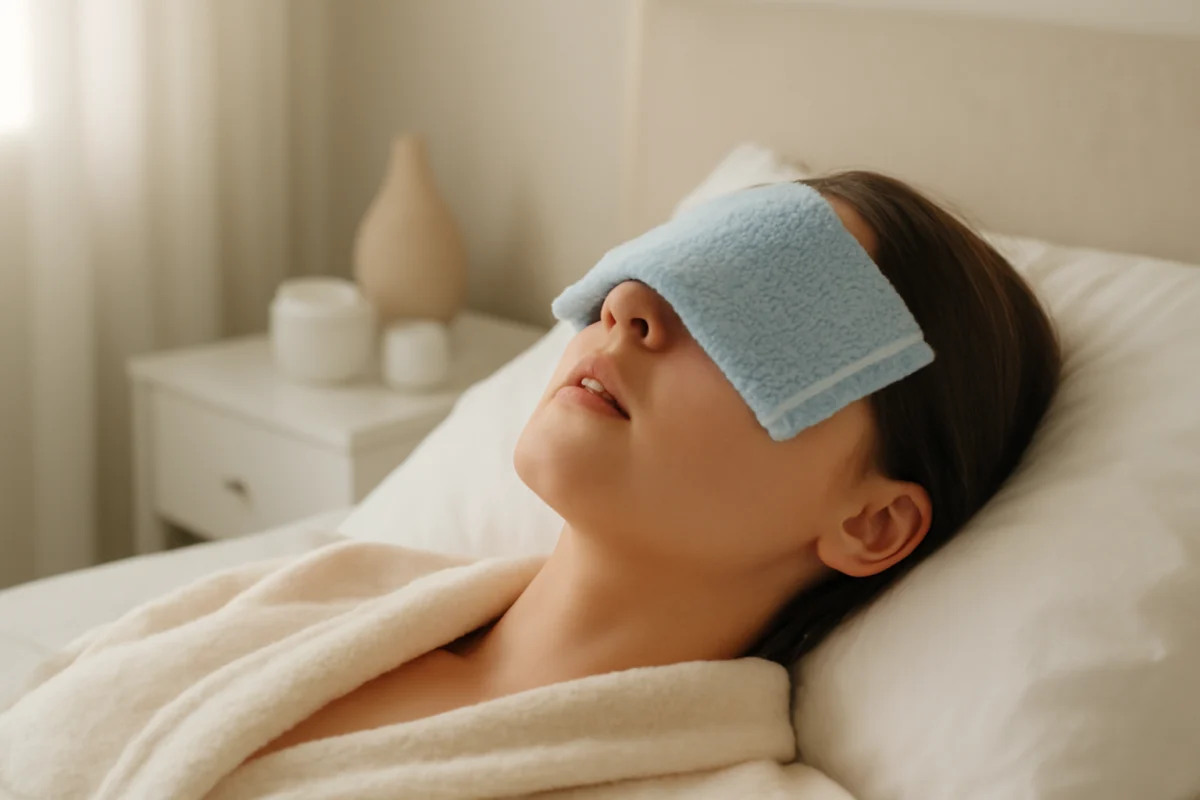
A cold compress can temporarily make puffy eyes look less swollen, especially in the morning, but it is not a permanent fix for puffiness and usually will not remove dark circles. Cooling may briefly narrow surface blood vessels and reduce the appearance of fluid-related swelling. Dark circles caused by pigmentation, visible blood vessels, shadows, genetics, or under-eye structure are unlikely to disappear simply because the skin is cold.
That distinction matters. A cold compress is a low-cost cosmetic step that may make the eye area look fresher for a short time. It is not a treatment for an underlying medical condition, and it cannot change inherited anatomy or permanently correct changes in skin color and texture.
Why cold may help under-eye puffiness
Under-eye puffiness can look more noticeable after sleep, crying, a salty meal, seasonal irritation, or prolonged screen time. Some of that appearance may be related to temporary fluid retention or mild swelling around the eyes. Applying something cool to the skin can create a short-term tightening sensation and may make swelling look less prominent.
Cold also affects superficial blood vessels for a limited period. If the under-eye area looks reddish or slightly flushed, cooling may make that color less noticeable temporarily. This effect should not be confused with correcting the cause of the discoloration. Once the skin returns to its usual temperature, the visual effect may fade.
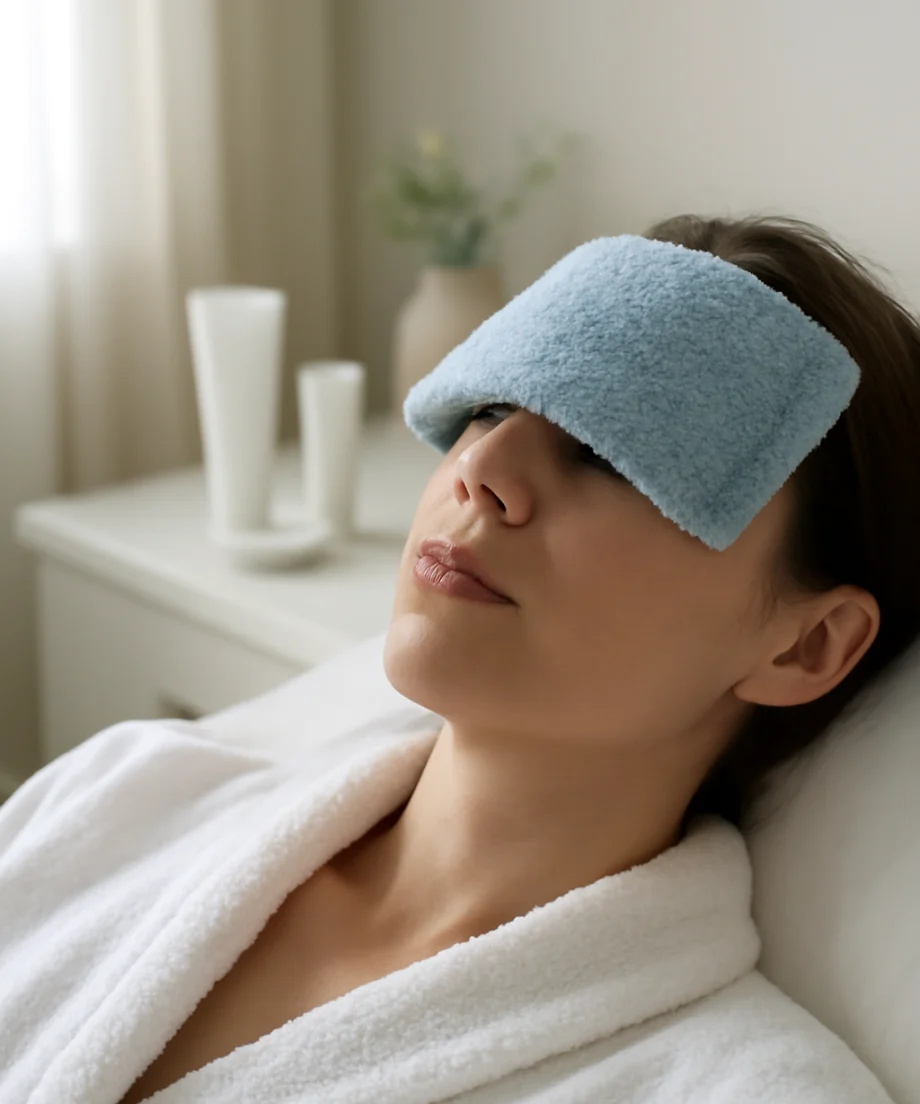
The result also depends on what someone calls “puffiness.” Mild morning swelling may respond differently from a persistent bulge caused by changes in the tissue beneath the skin. A compress may improve the surface appearance of temporary swelling, but it is unlikely to change a stable under-eye contour or pronounced bag.
Can a cold compress reduce dark circles?
Sometimes it can make dark circles look slightly less noticeable for a short period, but the answer depends on what is creating the appearance. Dark circles are not one single condition. They may reflect brown or gray-brown pigmentation, blue or purple-looking blood vessels, naturally thin under-eye skin, a hollow that creates a shadow, or a combination of these factors.
Cooling may have the greatest temporary visual benefit when darkness is related to mild redness, visible vessels, or swelling that creates a heavier shadow. It is much less likely to help pigmentation or a structural hollow. If the darkness is present in the same way throughout the day and does not change with swelling, a cold compress may offer little noticeable difference.
For a broader explanation of possible causes, see our guide to dark circles versus under-eye shadows. Understanding the appearance you are trying to address can help you choose more realistic skincare and makeup strategies.
How to use a cold compress safely
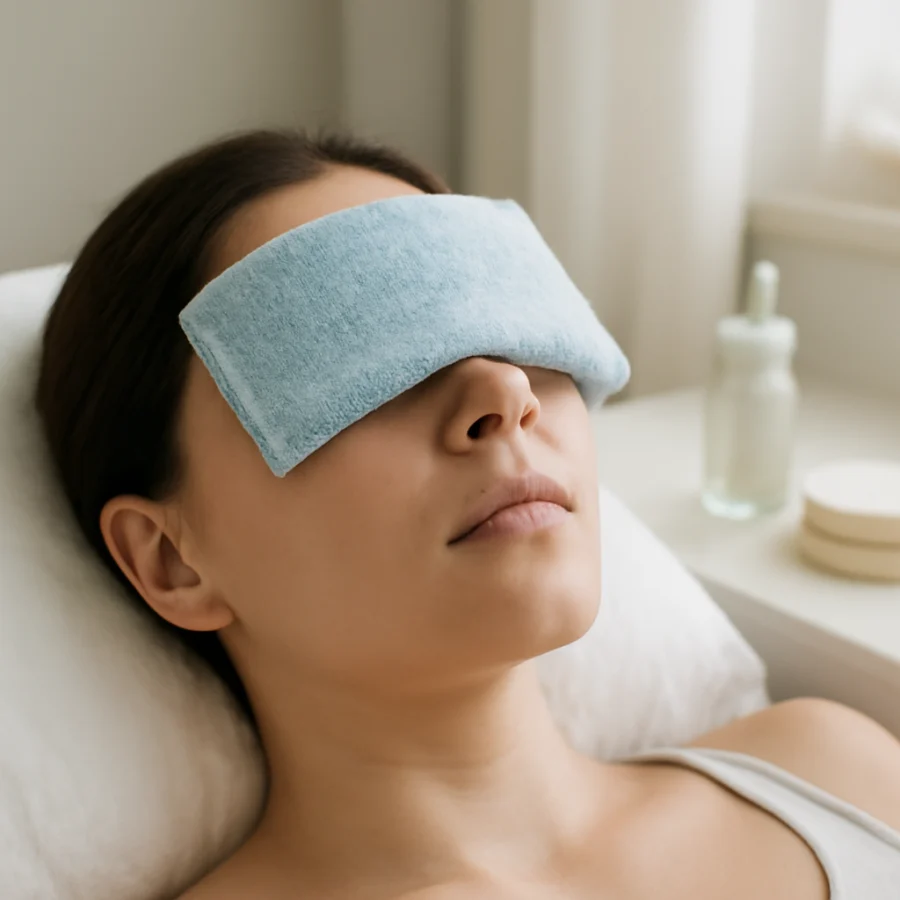
The goal is cool, comfortable contact—not extreme cold. A simple method is to dampen a clean, soft washcloth with cool water, gently wring it out, and place it over closed eyes for a few minutes. You can re-cool the cloth as needed, but avoid pressing firmly on the eyeballs or rubbing the delicate skin.
Reusable gel masks, chilled eye masks, and other cooling tools may also be used if their instructions are followed. Keep a barrier between very cold materials and the skin. Do not place ice cubes, frozen spoons, frozen packs, or frozen food directly against the under-eye area. Direct ice contact can be uncomfortable and may irritate or injure skin.
A practical routine
- Start with clean hands and a clean compress.
- Use cool rather than painfully cold temperatures.
- Rest the compress lightly over closed eyes.
- Stop if you feel burning, numbness, stinging, or worsening redness.
- Pat the area dry instead of dragging a towel across the skin.
- Apply a gentle moisturizer afterward if the area feels dry or tight.
There is no need to keep cooling the area for a long time. Longer exposure does not necessarily produce a better cosmetic result, and repeated cold can leave sensitive skin uncomfortable. If you are using a product designed specifically for the eye area, follow the package directions rather than assuming that more frequent or longer use will be more effective.
When morning puffiness may respond best
Many people notice puffiness immediately after waking. Sleeping position, normal overnight fluid movement, crying, congestion, or an evening routine may all influence how the area looks in the morning. A brief cool compress, followed by gentle moisturizing and sun protection during the day, may help the eye area appear more refreshed.
Gentle habits can matter as much as the compress itself. Avoid rubbing the eyes, particularly if they feel itchy. Apply skincare by tapping lightly with a fingertip, and keep products away from the eye surface. If makeup is part of your routine, remove it without repeated friction.
A cold compress is also not a substitute for addressing a product that repeatedly causes burning, itching, watering, or redness. Fragranced products, strong actives, or makeup that migrates into the eyes may contribute to visible irritation. For more routine ideas, the under-eye routine builder can help organize choices based on common concerns.
What a cold compress cannot do
A cold compress cannot permanently remove dark circles, erase fine lines, rebuild lost volume, or change inherited under-eye structure. It also cannot guarantee that persistent puffiness will resolve. Claims that cold exposure “detoxes” the eye area or permanently improves circulation should be treated cautiously.
If pigmentation is the main concern, consistent sun protection and carefully selected skincare may be more relevant than cooling alone. If thin-looking skin makes vessels more visible, the appearance may not change much with a compress. If hollowness creates a shadow, cooling the surface cannot fill the recessed area.
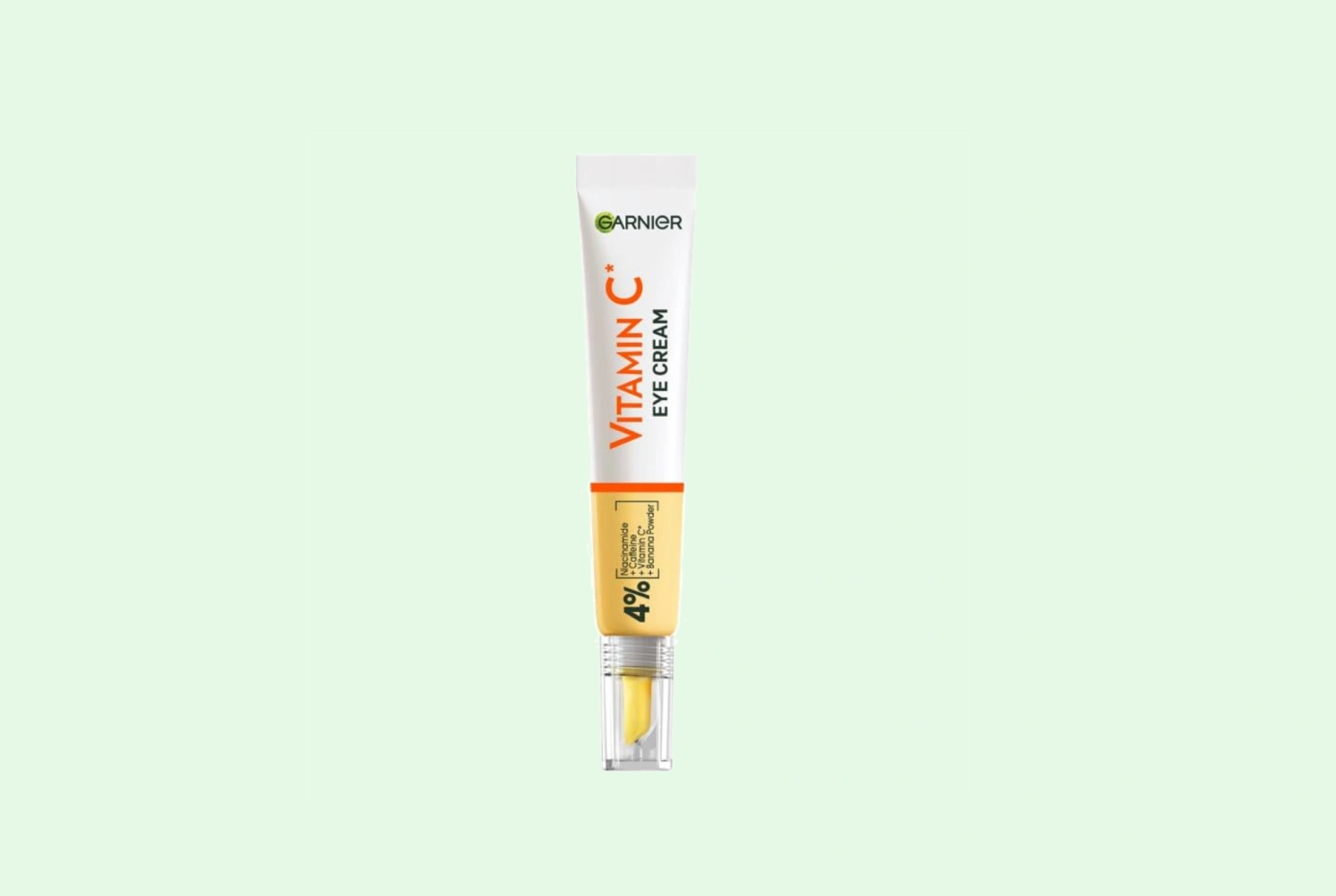
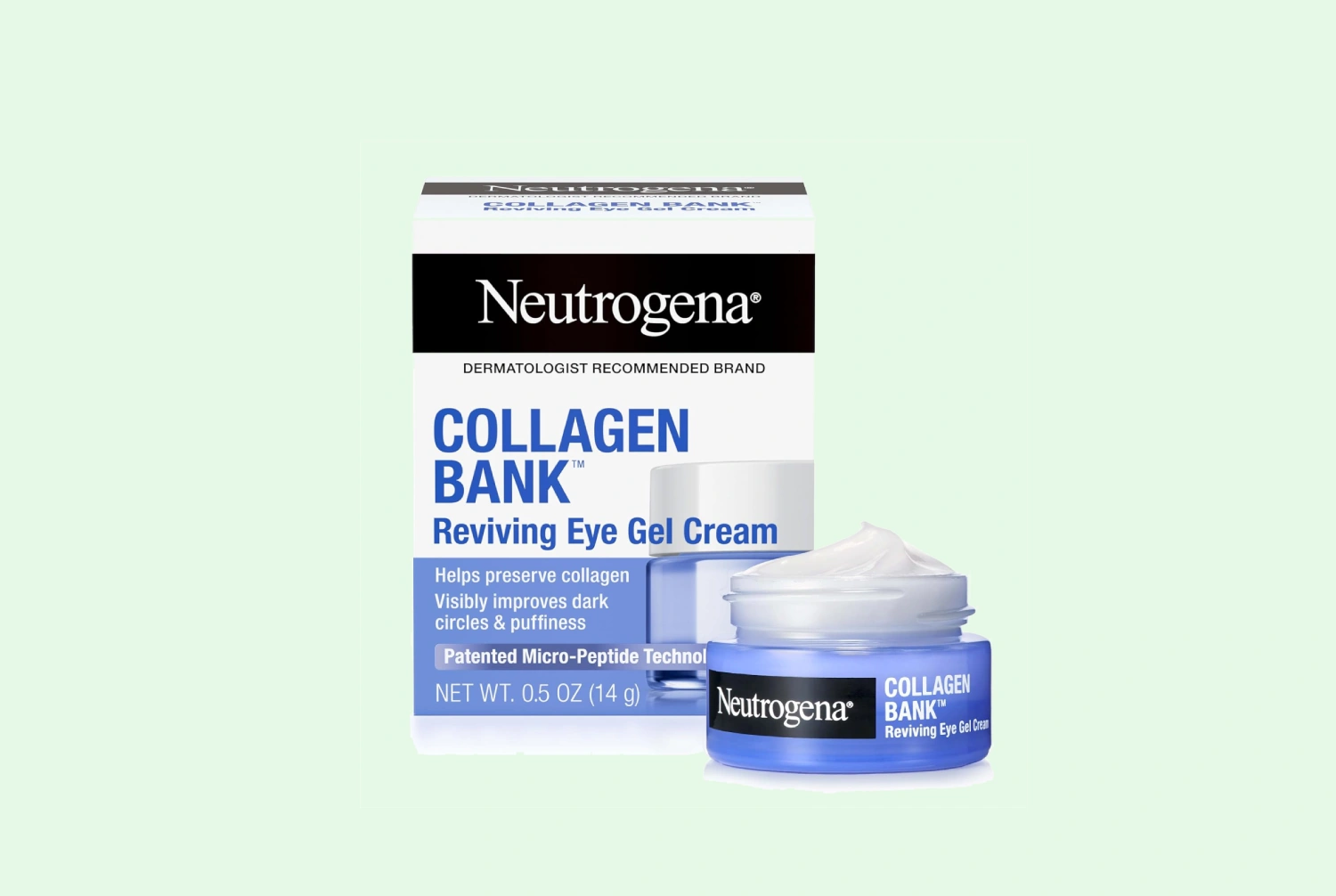
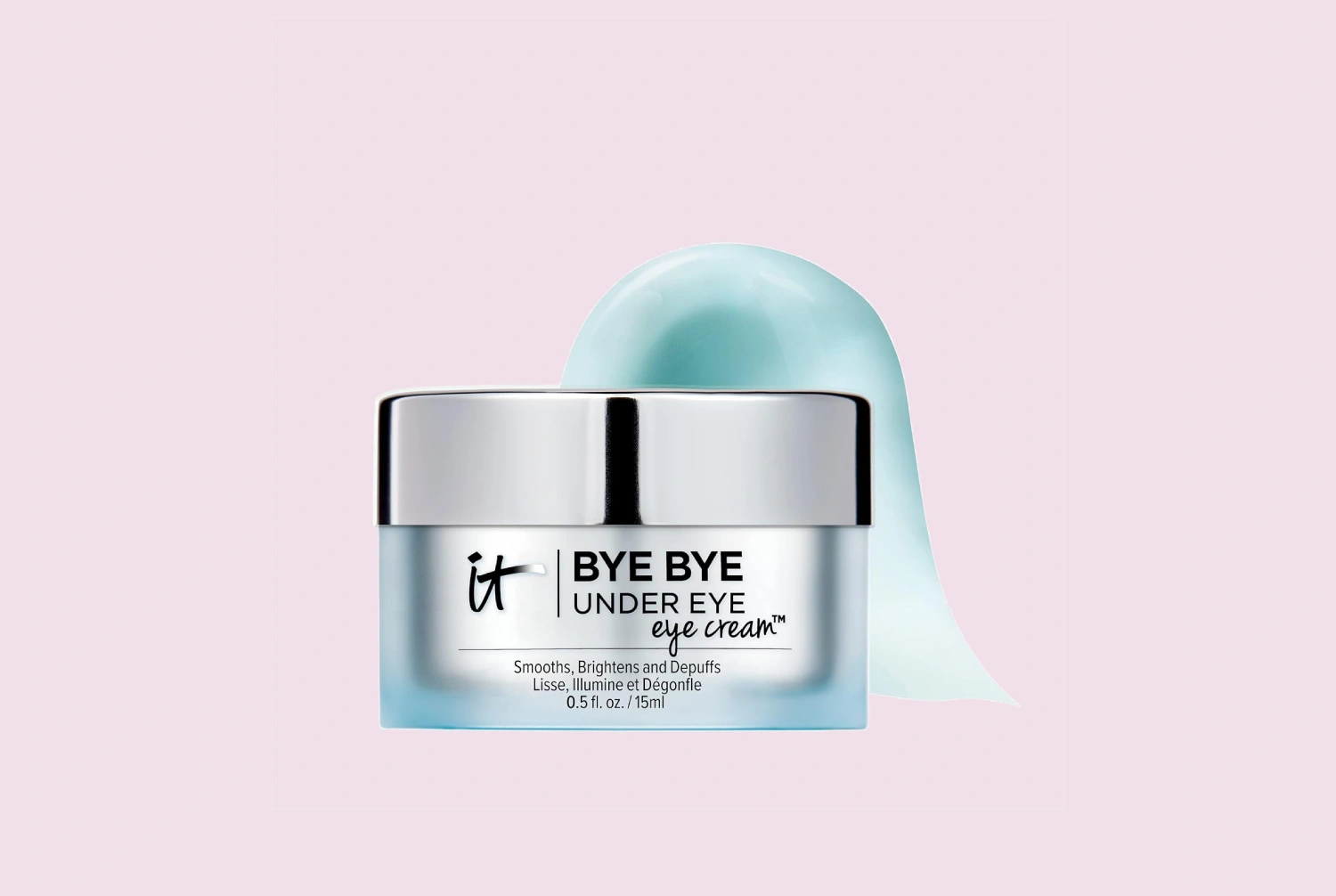
Ingredients sometimes included in eye products may target specific cosmetic concerns, but results depend on the formula, the person’s skin, and consistent use. Product details can change, so check the current packaging and manufacturer ingredient list before buying or applying a product. Our eye cream ingredient guide explains how to think about common ingredients without treating any one ingredient as a guaranteed solution.
Should you use a cold eye mask or chilled spoon?
Either may feel soothing, but the tool is less important than temperature, cleanliness, and gentle handling. A clean washcloth is often the simplest option because it can be washed between uses and is easy to keep comfortably cool. A reusable mask should be cleaned according to its instructions and should not be shared if doing so could transfer makeup or skin debris.
A chilled spoon may glide across the skin, but gliding and pressure are not necessary. If you use one, make sure it is clean, cool rather than frozen, and applied with a light touch. Stop if the metal feels too cold or if the skin becomes numb. Avoid tools with rough edges, damaged surfaces, or difficult-to-clean seams.
Cold compresses and sensitive skin
Sensitive skin may react to temperature changes, friction, or products used immediately before cooling. If your eye area is reactive, begin with a short session using a clean cloth and plain cool water. Avoid combining a cold compress with a newly introduced active product the first time you try it, so you can more easily identify what causes discomfort.
When using eye products containing potentially irritating actives, follow the label, introduce products gradually when appropriate, and keep them out of the eyes. A patch test may be useful for products that advise or allow one, although a patch test cannot predict every reaction around the eyes. Stop using a product if you develop persistent burning, swelling, rash, or worsening irritation.
When persistent swelling deserves medical attention
Cosmetic morning puffiness is common, but new, severe, one-sided, painful, or persistent swelling is different from an ordinary appearance concern. Swelling accompanied by vision changes, significant redness, discharge, injury, breathing difficulty, or other worrying symptoms should not be managed only with a cold compress. Seek appropriate medical advice for those situations.
This article cannot determine the cause of swelling or discoloration. Allergies, skin irritation, infection, medication effects, and other health concerns can sometimes affect the area around the eyes. A healthcare professional can evaluate symptoms that are unusual, worsening, or not explained by your normal routine. A cold compress may feel soothing in some circumstances, but comfort is not the same as diagnosis or treatment.
How to set realistic expectations
Think of a cold compress as a short-term appearance tool. It may be useful before work, an event, or a photo when the main issue is temporary morning puffiness. Use it gently, keep expectations modest, and judge the result after the skin has returned to its normal temperature.
If dark circles remain, that does not mean you used the compress incorrectly. The underlying appearance may be related to pigmentation, anatomy, genetics, thin skin, shadows, or several factors at once. A broader routine can focus on gentle cleansing, moisturization, daily sun protection, and products selected for your skin’s tolerance. For additional background, browse our dark circles resource.
In short, cool contact may temporarily soften the look of puffiness and sometimes make the eye area appear brighter for a limited time. It is best used as a gentle, optional step—not as a promise of permanent improvement or a substitute for medical evaluation when symptoms are unusual.

Comments
0No comments yet. Be the first to share a helpful note or question.
Leave a Comment
Your email address will not be published. Comments are reviewed before appearing on the site.