
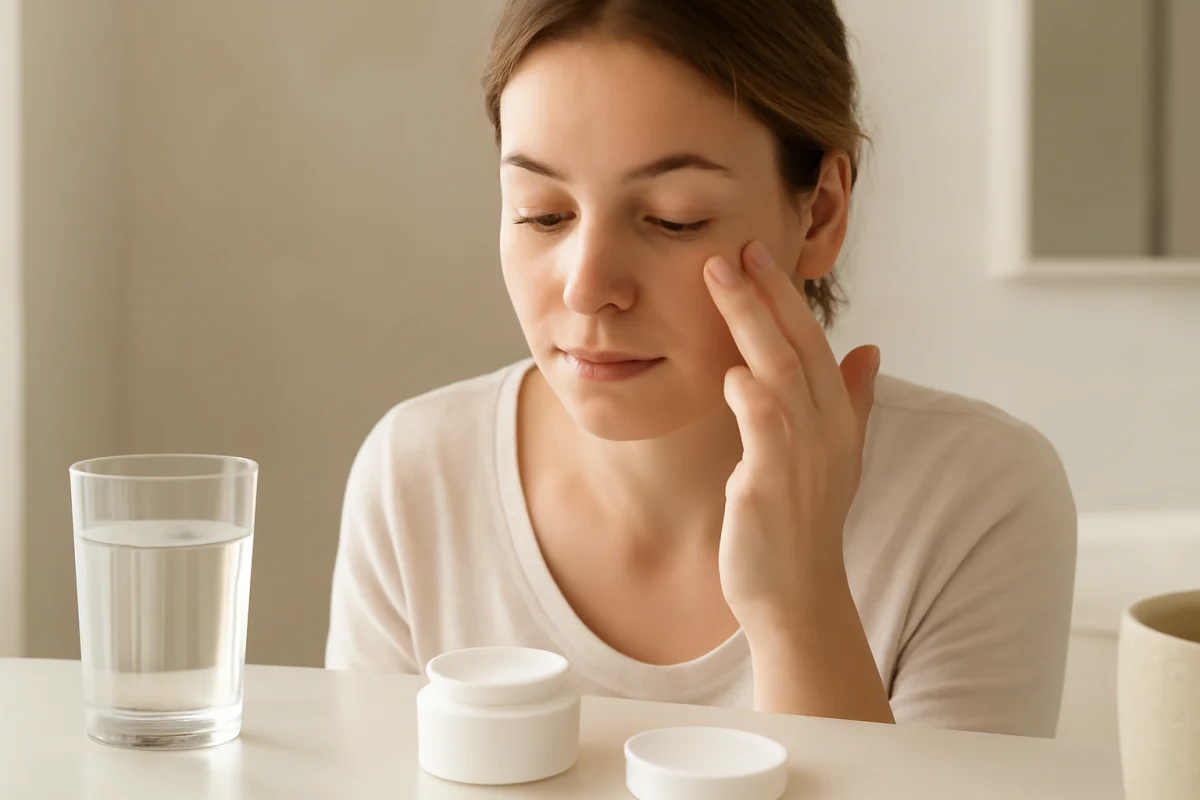
Proper hydration habits may make dark circles look less noticeable when dryness, fatigue, or temporary dullness contributes to their appearance, but drinking more water will not clear every type of under-eye darkness. Dark circles can also reflect genetics, pigmentation, visible blood vessels, thin skin, tear-trough shadows, allergies, or normal changes in facial structure. Hydration is best viewed as one supportive part of an under-eye routine rather than a stand-alone solution.
How Hydration May Affect the Appearance of Dark Circles
Water supports the body’s normal functions, including those involved in maintaining skin comfort and overall health. When you are not getting enough fluids, your skin may look less supple or more dull. Fine lines can appear more noticeable, and the under-eye area may look tired or creased. Because the skin around the eyes is relatively thin and delicate, small changes in texture can make shadows seem more prominent.
Hydration may also support a smoother-looking surface when paired with a suitable moisturizer. A well-moisturized under-eye area can reflect light more evenly, which may soften the appearance of dryness-related dullness. This is a cosmetic effect, not a treatment for the underlying cause of dark circles.
It is useful to distinguish dehydration from dry skin. Dehydration refers to a lack of water, while dry skin generally describes a lack of oil or a weakened moisture barrier. Drinking fluids may support your overall hydration status, but it does not replace a gentle topical moisturizer when the skin barrier needs help. For more context, see our guide to whether dehydration can make dark circles look worse.
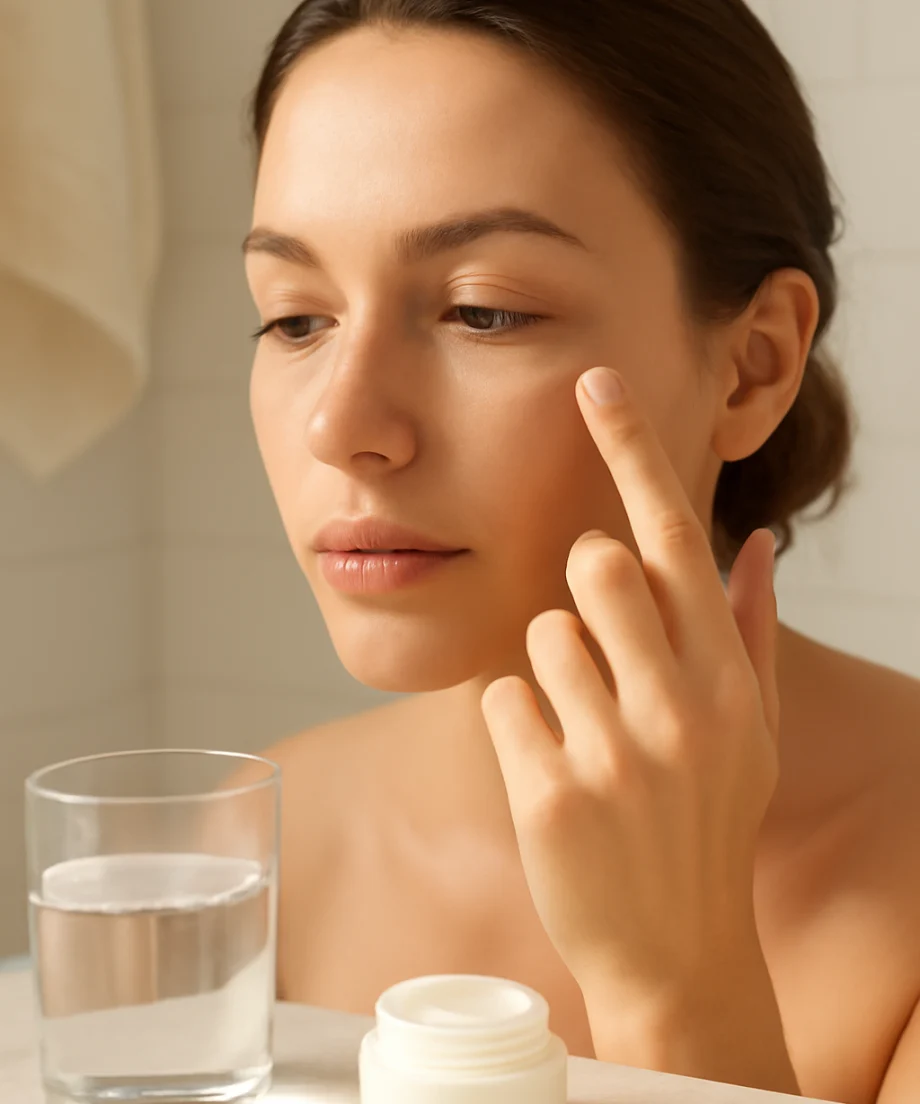
Hydration Habits That May Support a Brighter-Looking Eye Area
Drink consistently instead of catching up all at once
Rather than treating hydration as a quick fix, aim for steady fluid intake throughout the day. Thirst, activity level, climate, diet, and individual health needs can all affect how much fluid you need. There is no universal amount that will make dark circles disappear, and forcing excessive water can be unsafe.
Water is a simple choice, but other beverages and water-rich foods can contribute to fluid intake. If you have a medical condition or take medication that affects fluid balance, follow guidance from a qualified health professional rather than changing your intake based on skincare advice.
Pay attention to habits that can leave you feeling dry
Hot weather, exercise, sweating, illness, and alcohol consumption may affect fluid needs. Long periods in dry indoor air can also make the skin feel tight, even when your overall fluid intake is adequate. A humidifier, gentle cleansing, and a fragrance-free moisturizer may help support skin comfort in a dry environment.
Hydration is also connected to broader lifestyle patterns. Irregular sleep, prolonged screen time, smoking, and frequent eye rubbing can make the eye area look more tired or irritated. Improving several habits at once may produce a more noticeable cosmetic difference than focusing on water alone.
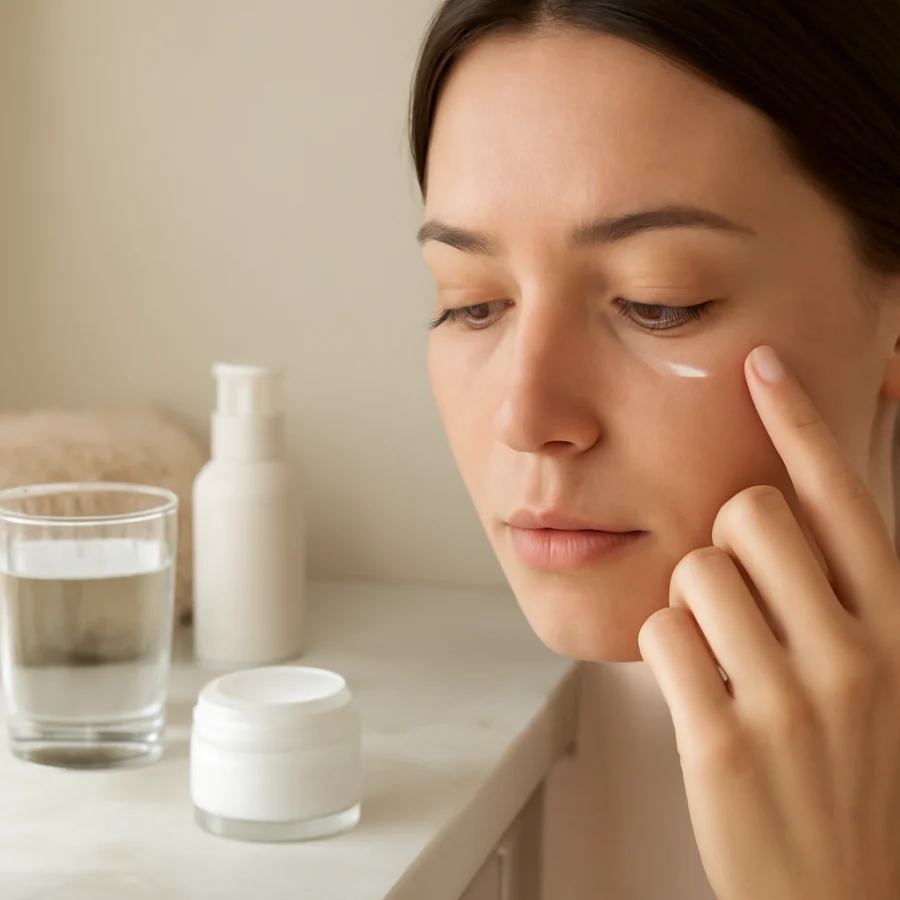
Use topical hydration carefully
Topical products can temporarily improve the look of dry, tight, or crepey skin. Ingredients commonly used for hydration include humectants such as glycerin and hyaluronic acid, along with emollients and occlusive ingredients that help reduce moisture loss. The exact formula matters, and ingredient lists can change, so check the current product packaging or the manufacturer’s ingredient list before buying or using a product.
Choose products designed for the eye area and apply them gently. A small amount is usually enough; applying more does not necessarily create better results and may increase the chance of migration into the eyes. If a product stings, burns, causes persistent redness, or makes the area itchy, stop using it and reassess the formula.
Why Water Alone Cannot Address Every Type of Dark Circle
“Dark circles” describes a visible concern rather than one single condition. Different causes can create similar-looking shadows, and more than one factor may be present at the same time.
- Brown or gray-brown discoloration: This may be related to pigmentation and can be influenced by sun exposure, irritation, or individual skin characteristics.
- Blue, purple, or reddish tones: Thin under-eye skin can make underlying blood vessels more visible.
- Structural shadows: A hollow or a natural contour beneath the eye can cast a shadow that does not change simply because the skin is more hydrated.
- Puffiness: Temporary swelling can alter the way light falls on the area, making shadows look deeper.
- Dryness and fine lines: Rough or dehydrated-looking texture can emphasize darkness even when pigment has not changed.
Hydration may help most with the last category and may modestly improve the overall impression of tired-looking skin. It is less likely to change inherited pigmentation or a structural shadow. If you are unsure whether you are seeing pigment, a shadow, or a combination, comparing the area in different lighting and facial positions may offer clues, but it cannot provide a medical diagnosis.
A Practical Hydration-Focused Under-Eye Routine
Morning
- Cleanse gently or rinse with lukewarm water if cleansing is not needed.
- Apply a lightweight eye-area moisturizer to slightly damp skin if the area feels dry.
- Use broad-spectrum sunscreen on the surrounding face and other exposed skin, taking care to follow the product’s eye-area directions.
- Wear sunglasses outdoors when comfortable, especially in bright conditions.
Sun protection is important because repeated exposure can contribute to visible pigmentation and premature skin changes. Sunscreen should not be applied so close to the eyes that it causes stinging, and any product should be used according to its label.
Evening
- Remove makeup and sunscreen without scrubbing or pulling the skin.
- Apply a simple moisturizing product if the area feels tight or flaky.
- Use targeted actives only if they suit your skin and the product is labeled for the eye area.
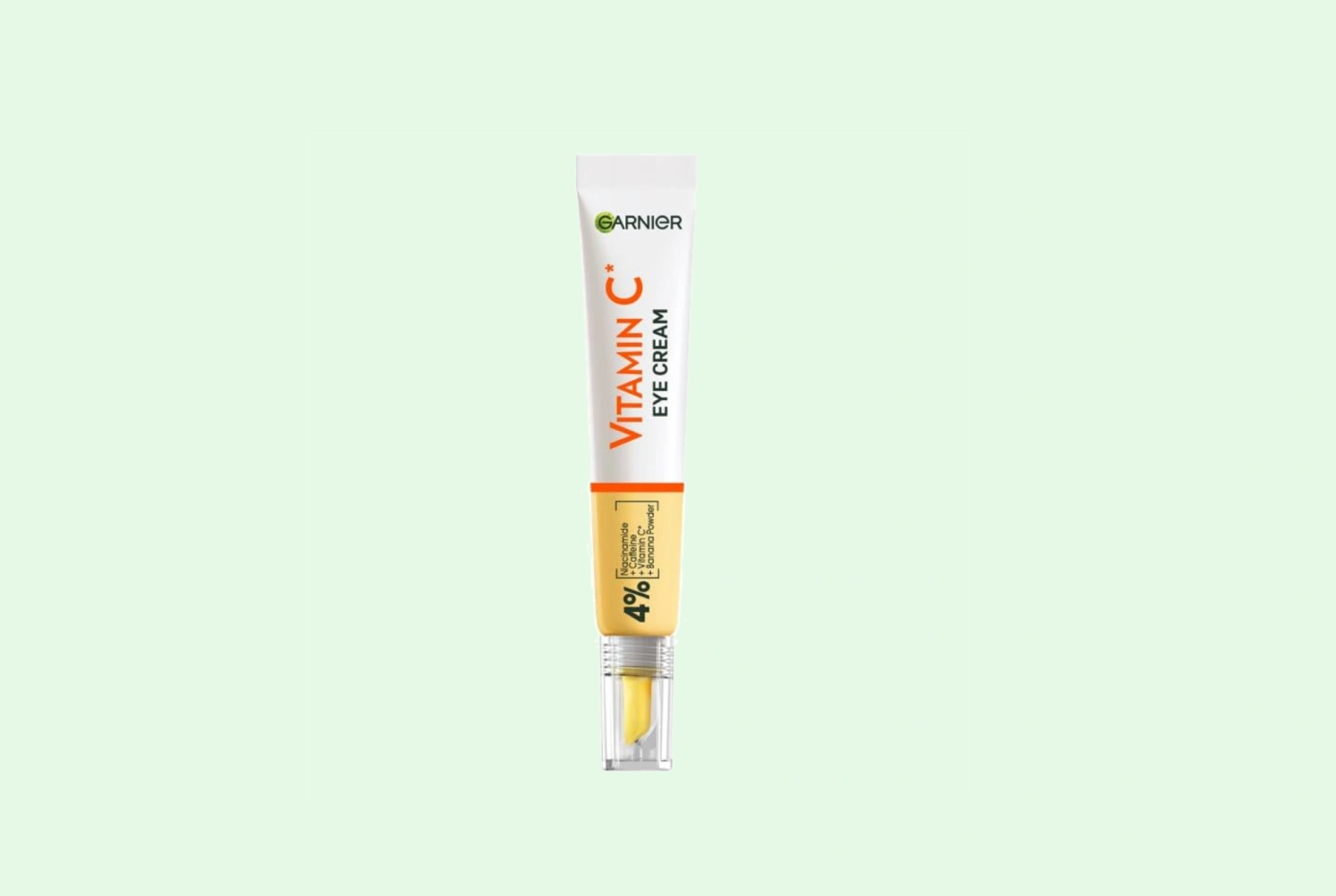
Ingredients such as retinoids, exfoliating acids, and some forms of vitamin C may irritate the delicate eye area. If you introduce one, follow the label, start cautiously, avoid getting it in the eyes, and consider a patch test when appropriate. Stop using it if irritation develops. A basic moisturizer may be a better starting point for sensitive skin than a routine with multiple active ingredients.
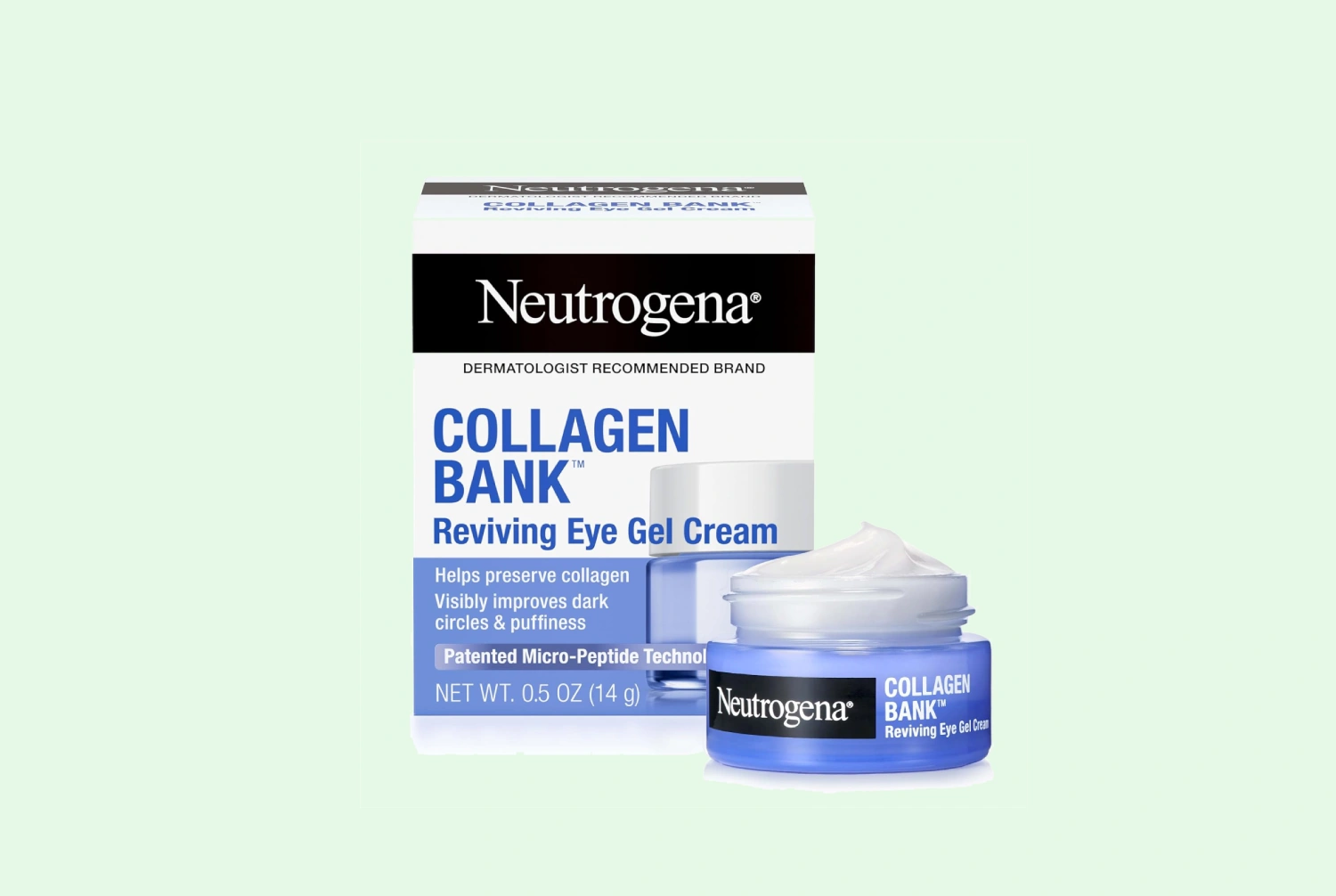
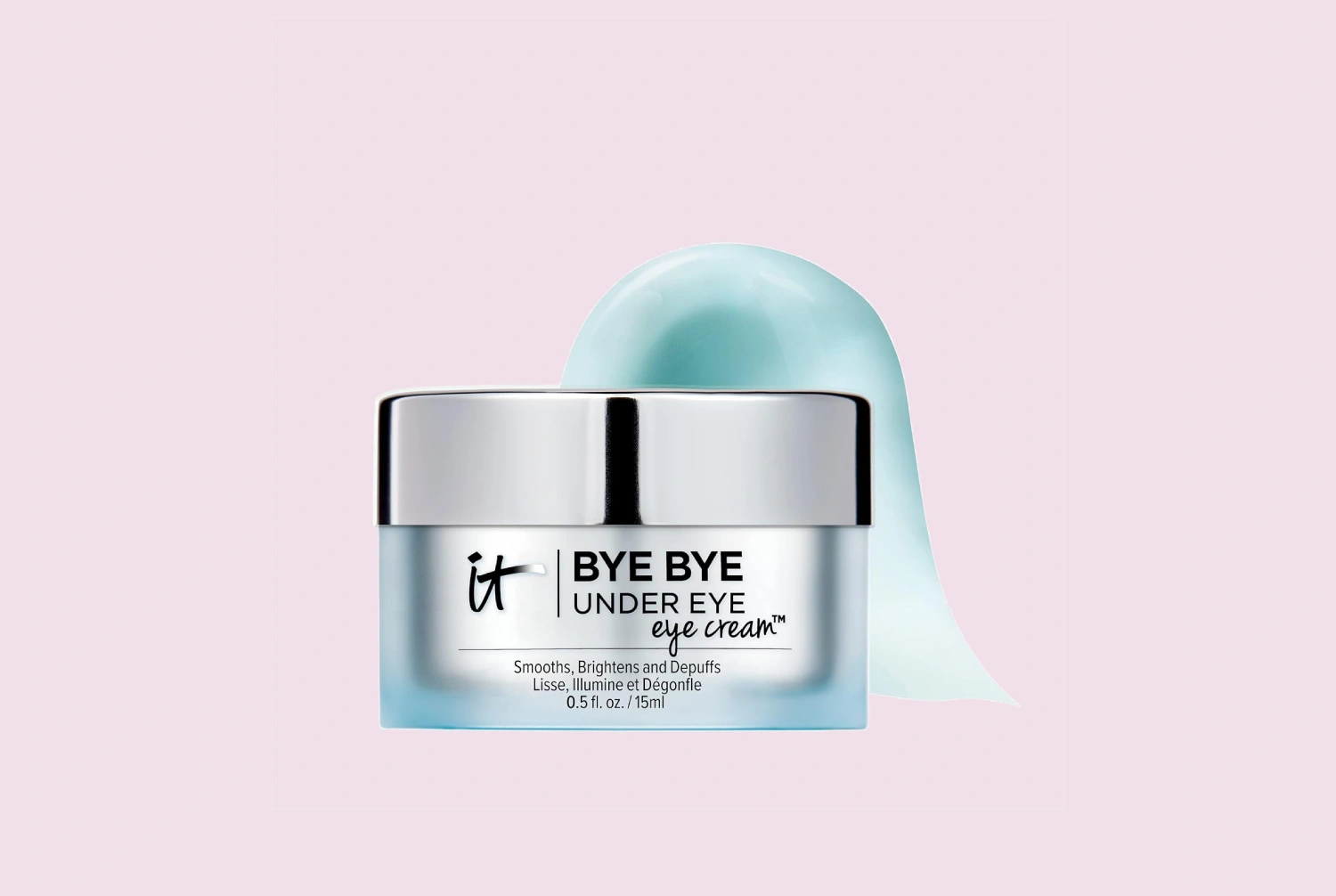
How to Choose a Hydrating Eye Cream
When comparing products, focus on the formula’s purpose and your skin’s tolerance rather than on dramatic claims. Helpful questions include:
- Does the product provide moisturizing ingredients without a strong fragrance?
- Is it intended for use around the eyes?
- Does the texture feel comfortable under sunscreen or makeup?
- Can you find a complete, current ingredient list?
- Does the packaging provide directions and warnings that you can follow?
For a broader checklist, read what to look for in an eye cream for dark circles. You can also use our eye cream ingredient guide to understand the roles of common moisturizing and brightening ingredients.
Remember that formulas can change. Even if you have used a product before, verify the current packaging and manufacturer information before repurchasing, particularly if you have sensitive skin or known allergies.
Application Techniques Matter
Apply eye cream with a light touch using a clean fingertip. Instead of dragging the skin, gently tap the product along the orbital area, staying away from the lash line unless the label specifically directs otherwise. Avoid applying products directly into the eye or onto irritated, broken, or recently abraded skin.
Using too much product can cause it to move as you blink, potentially leading to watering or discomfort. If you tend to wake with puffiness, a heavy layer at night may not feel comfortable. A lighter texture and a smaller amount may be more suitable, but individual responses differ.
When to Look Beyond Hydration
If dark circles remain despite consistent moisturizing and reasonable hydration habits, that does not mean you have failed. The appearance may be driven mainly by pigmentation, genetics, allergies, facial contours, or visible vessels. In those cases, concealer, sun protection, and a carefully selected skincare routine may improve the appearance without changing the underlying feature.
New, sudden, one-sided, painful, swollen, or unusually persistent changes around the eyes deserve medical attention. Seek advice from a qualified healthcare professional if the area is accompanied by significant irritation, discharge, vision changes, or other concerning symptoms. Skincare guidance cannot diagnose the cause or treat a medical problem.
For everyday concerns, a realistic plan is simple: drink fluids consistently according to your needs, moisturize when the skin feels dry, protect the area from sun exposure, avoid rubbing, and introduce active ingredients slowly. These habits may help the under-eye area look more comfortable and refreshed, while keeping expectations grounded about what hydration can actually change.

Comments
0No comments yet. Be the first to share a helpful note or question.
Leave a Comment
Your email address will not be published. Comments are reviewed before appearing on the site.