
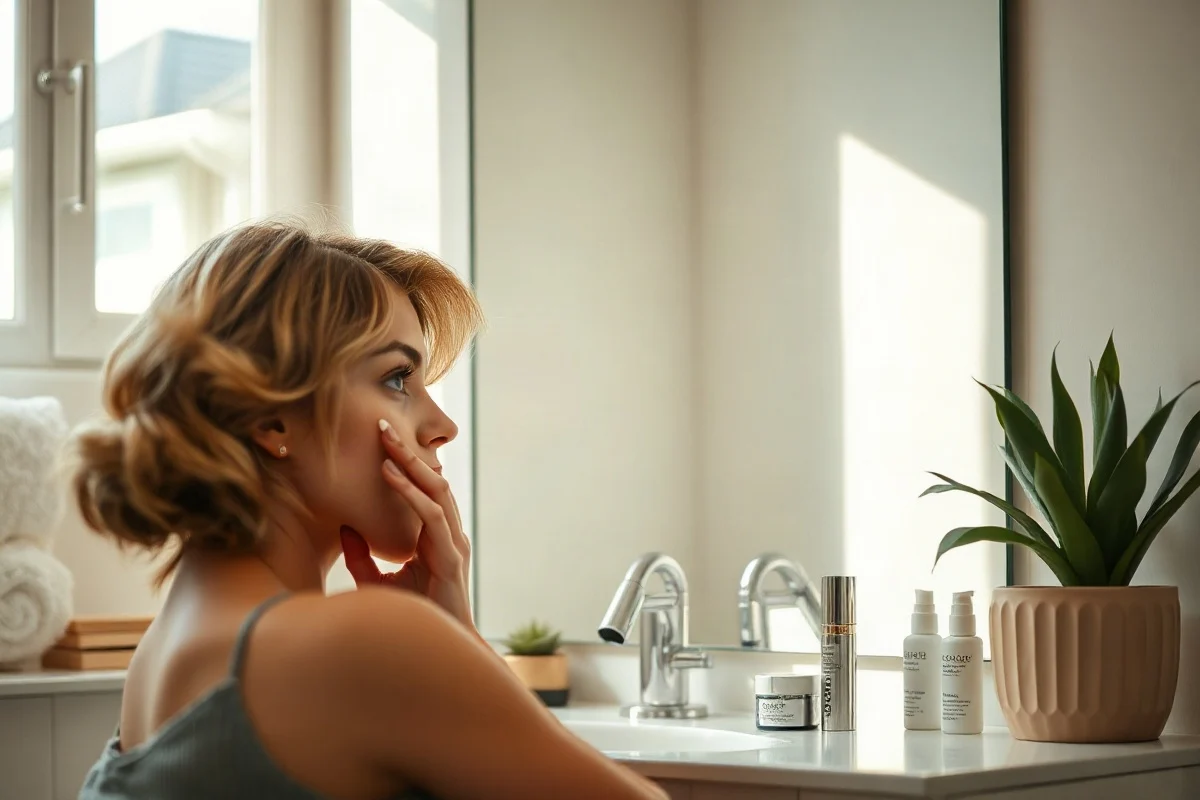
Dark circles often look worse in the morning because fluid can collect around the eyes while you sleep, the skin may be drier, and natural shadows can make discoloration or hollowness appear more pronounced. Overnight changes do not necessarily mean your dark circles have suddenly become deeper or that you slept poorly. Your sleeping position, allergies, salt intake, dehydration, genetics, skin texture, and the structure of the area beneath your eyes can all affect how the skin looks when you wake up.
Morning changes are usually cosmetic rather than a diagnosis. A brighter, darker, or more swollen appearance can reflect temporary fluid movement or lighting, while persistent discoloration may have several possible contributors. Understanding the difference can help you choose realistic skincare steps instead of expecting one eye cream to address every type of dark circle.
Why the under-eye area can look darker after sleep
Overnight fluid retention can create shadows
When you lie down for several hours, fluid may distribute differently around the face than it does while you are upright during the day. The thin skin beneath the eyes can make even mild puffiness visible. Swelling can create a raised area under the lower eyelid, while the space beneath it appears darker by comparison. This shadow may make a dark circle look more intense even when the underlying pigmentation has not changed.
Morning puffiness and dark circles can therefore reinforce each other. A small amount of swelling may blur the natural transition between the lower eyelid and cheek, while deeper hollows can catch overhead or side lighting. If your main concern is temporary swelling, you may find more useful guidance in our coverage of puffiness and eye bags.
Sleeping position may affect visible puffiness
Some people notice more under-eye swelling after sleeping flat or on their side. A face pressed into a pillow can also cause temporary creasing or uneven fluid distribution. This does not mean a particular sleeping position is medically harmful, and there is no single position that works for everyone. However, observing whether your morning appearance changes with your position can help you identify a personal pattern.
Dryness can make the area look dull and creased
The skin around the eyes is delicate and can lose water overnight, especially in dry indoor air or after using products that do not suit your skin. Dehydrated skin may emphasize fine lines, rough texture, and the contrast between the under-eye area and the surrounding face. When the surface looks less smooth or reflective, discoloration can appear stronger.
Dryness is not the same as permanent skin damage, and adding more product is not always the answer. A gentle moisturizer designed for the eye area, or a simple fragrance-free moisturizer that the label indicates is suitable for use there, may improve the look of surface dryness. Apply a small amount rather than rubbing repeatedly, since friction can make the area feel more irritated.
Dark circles are not all the same
The phrase “dark circles” can describe several visible patterns. Some people have more brown or gray-brown discoloration, while others see blue, purple, or pink tones through thin skin. Hollowness can create a gray shadow, and puffiness can make that shadow more obvious. Fine lines, dryness, and uneven texture can also contribute to the impression of darkness.
Genetics and facial structure play a significant role for many people. The natural thinness of the skin, the amount of pigment, and the shape of the under-eye area can influence how it looks in different lighting. In these cases, morning skincare may soften dryness or temporary puffiness, but it is unlikely to completely change the underlying structure or eliminate the appearance permanently.
If your dark circles remain noticeable even after a good night of sleep, that does not necessarily mean you need more sleep. You can read more about possible cosmetic contributors in our guide to dark circles even when sleeping enough.
Ingredients that may fit a morning routine
Caffeine for a temporarily refreshed appearance
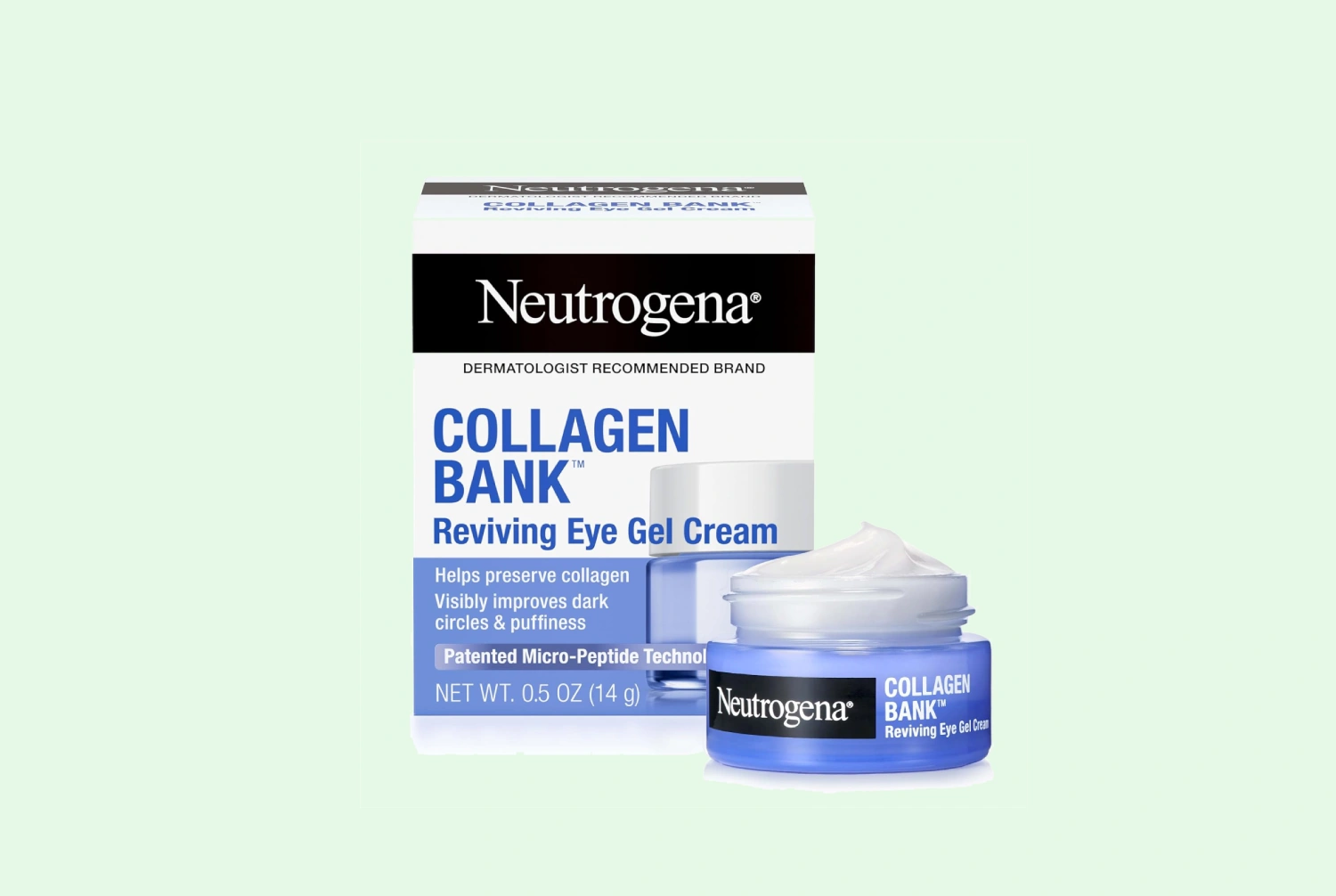
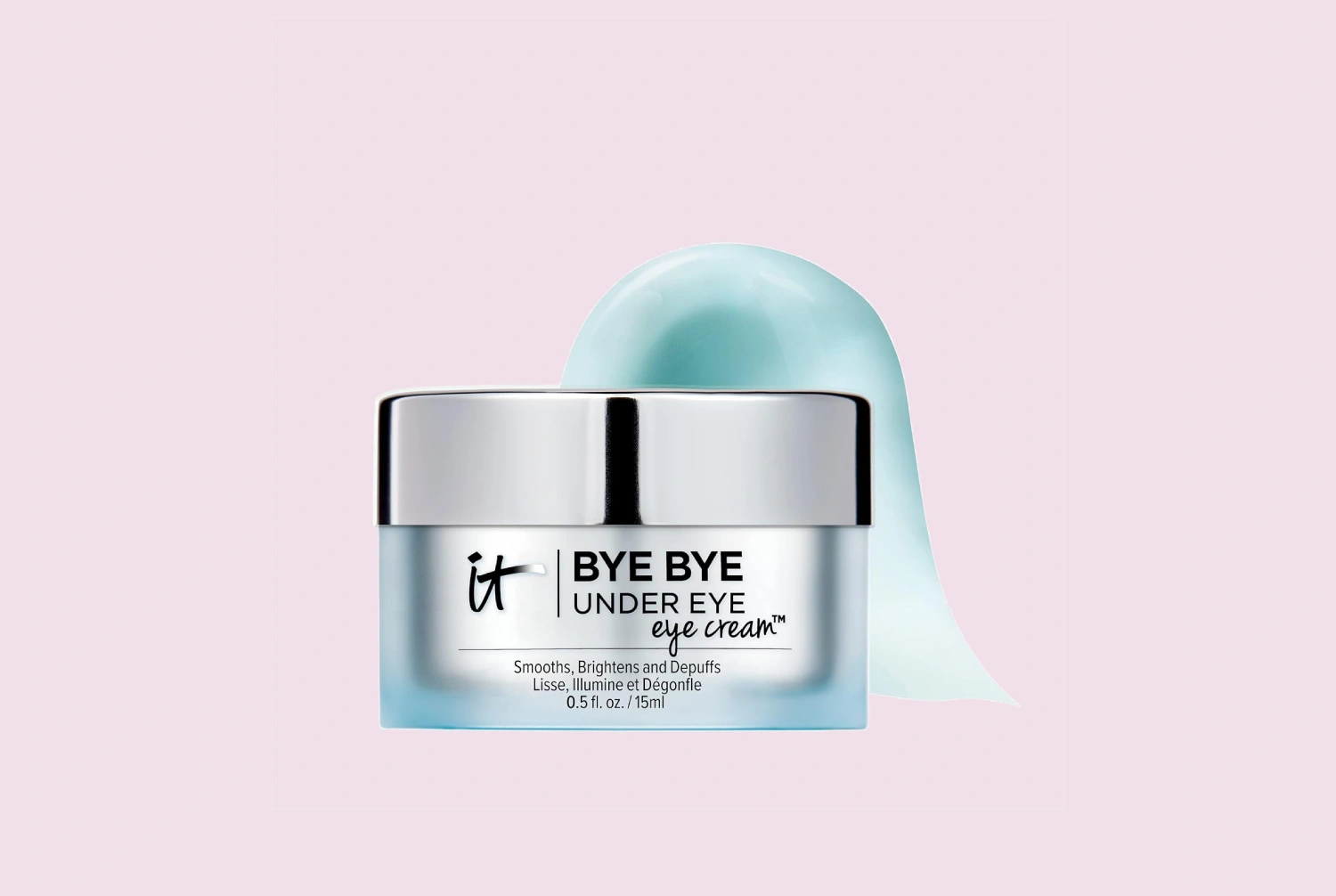
Caffeine is commonly used in eye products intended for the look of puffiness. It may make the area appear more awake for a time, but a topical product should not be treated as a guaranteed solution for bags or dark circles. Results, if any, can vary with the formula, the cause of the concern, and individual skin.
Because product formulas change, check the current packaging and manufacturer ingredient list before buying or relying on a specific product. Our guide to caffeine eye cream can help you compare this ingredient with your particular concern.
Humectants and moisturizers for dryness
Ingredients that help attract or hold water, such as glycerin or hyaluronic acid, are often included in hydrating formulas. Emollients and occlusive ingredients may also help smooth the feel of dry skin by reducing moisture loss. These ingredients are primarily useful for surface comfort and the appearance of dehydration lines. They are not expected to change genetic pigmentation or facial hollowness.
Vitamin C and other brightening ingredients
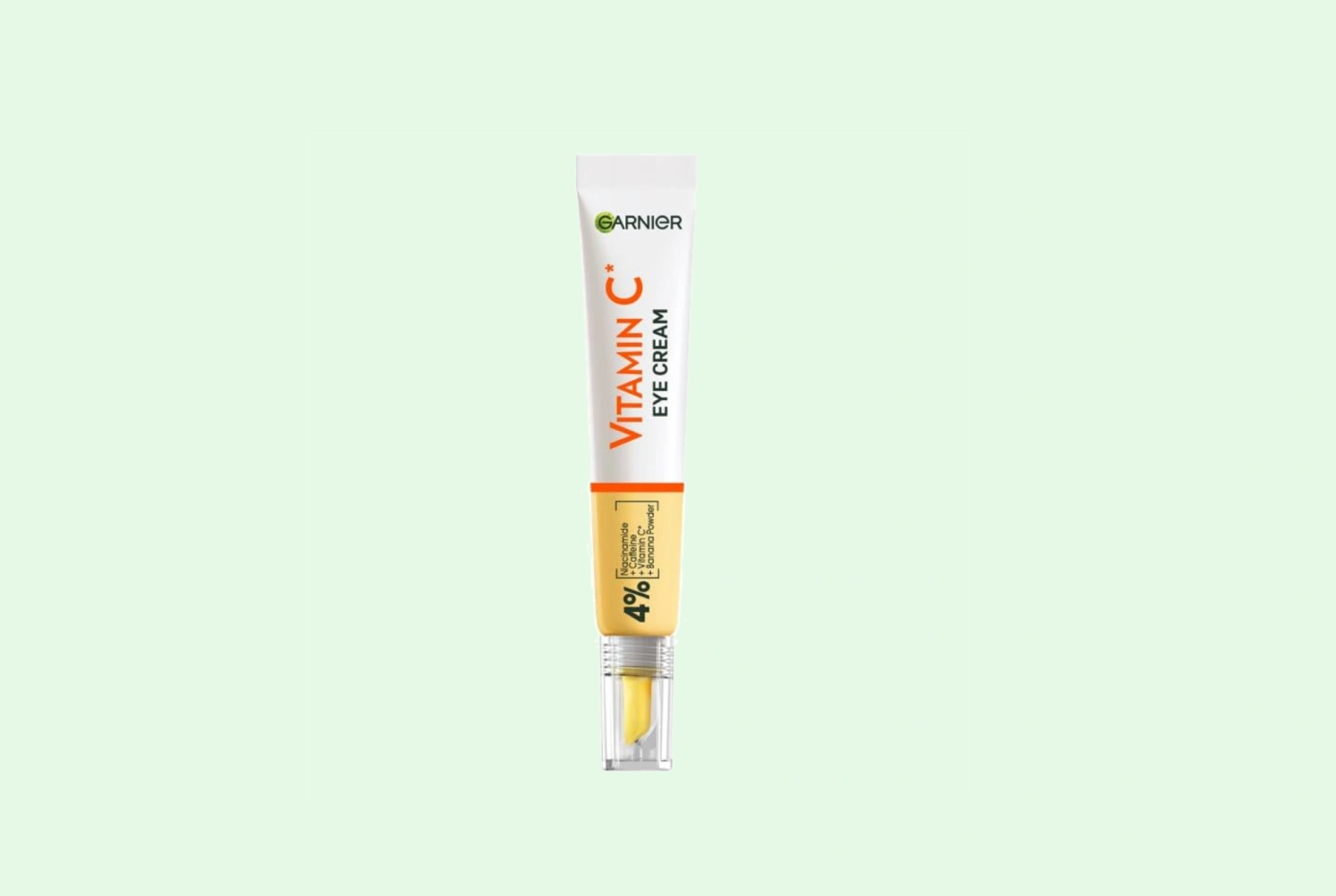
Vitamin C is used in some products designed to improve the look of uneven tone. Other formulas may contain different tone-supporting ingredients. The suitability of any brightening product depends on its complete formula, packaging, intended use, and your skin’s tolerance. Avoid assuming that a stronger-feeling product will work better around the eyes.
The eye area can be especially reactive. Follow the label, keep the product out of the eyes, and consider a patch test when appropriate. Stop using a product if it causes persistent burning, swelling, rash, or other irritation. For a broader overview, see the site’s eye cream ingredient guide.
Retinoids require extra caution
Retinoid products are often discussed for the look of fine lines and uneven texture, but they can also cause dryness or irritation, particularly when used too close to the eyes or introduced too quickly. If you use a retinoid eye product, follow its directions carefully and do not combine multiple potentially irritating actives without a clear reason. People who are pregnant, trying to become pregnant, or nursing should ask a qualified health professional about retinoid use.
Simple ways to make morning dark circles look less noticeable
Use gentle application habits
Apply eye products with light pressure using a clean fingertip. Repeated rubbing can worsen irritation and may temporarily increase redness. Unless a product is specifically labeled for the eyelids or eye area, avoid applying it close to the lash line. More product is not automatically more effective; a thin layer is usually easier to tolerate and less likely to migrate into the eyes.
Consider a cool compress
A cool, clean compress may temporarily reduce the sensation and appearance of morning puffiness for some people. It should feel cool rather than painfully cold, and it should not be placed directly on the skin if it causes discomfort. Avoid pressing firmly on the eye area.
Protect the area from daylight
Sun exposure can contribute to visible uneven tone and can make existing discoloration more noticeable over time. Use sun protection on exposed facial skin according to the product directions, and consider sunglasses and shade. Keep sunscreen out of the eyes, and choose a product you can apply comfortably without rubbing or stinging.
Look at the whole routine
Morning appearance can be influenced by more than an eye cream. Review whether a cleanser, exfoliant, fragrance, makeup remover, or hair product is irritating the area. If you regularly wake with itchy or watery eyes, an at-home skincare change may not address the underlying reason. Avoid rubbing and consider discussing ongoing symptoms with a qualified medical professional.
When morning changes deserve medical attention
Cosmetic variation is common, but seek medical advice for sudden or persistent swelling, pain, marked redness, vision changes, discharge, a new one-sided change, or symptoms that do not seem limited to appearance. Ongoing itching or watering may also warrant professional evaluation. These signs can have causes that skincare cannot diagnose or treat.
An eye cream may moisturize the surface or temporarily improve the look of puffiness, dryness, or dullness. It cannot be expected to remove every type of dark circle, change facial anatomy, or provide permanent results. If you are comparing products, focus on the concern you actually see, the formula’s current ingredient list, packaging instructions, your sensitivity level, and whether the product is intended for the eye area. A consistent, gentle routine and realistic expectations are more useful than chasing an overnight fix.
Morning dark circles are often the visible combination of temporary puffiness, shadows, dryness, and your natural under-eye structure. Tracking when the change occurs, avoiding irritation, and choosing products based on your specific concern can make the appearance easier to manage without treating a cosmetic issue as a medical diagnosis.

This explains why my under-eye area can look so different in the morning. I never thought about how overnight fluid buildup might play a role.
Mine usually looks puffier right after I wake up, then settles down later. It’s helpful to know there can be a few reasons for that.
My under-eyes look worse when I’ve had a restless night, but not every time. This gave me a better idea of what else might be going on.
Does anyone else notice their under-eye area improves a little after being up for an hour or two? I’m curious how common that is.
1. I always notice my under-eyes more in the morning, especially after a short night. It’s interesting that puffiness can make the area look darker, too.
2. This makes sense. Some mornings my dark circles look much more noticeable, even though I haven’t changed anything in my routine.
2. This makes sense. Some mornings my dark circles look much more noticeable, even though I haven’t changed anything in my routine.
3. I didn’t realize allergies could make the under-eye area look worse. That might explain why it changes so much for me during certain seasons.
3. I didn’t realize allergies could make the under-eye area look worse. That might explain why it changes so much for me during certain seasons.
I like that the article explains several possible causes instead of blaming everything on lack of sleep.