
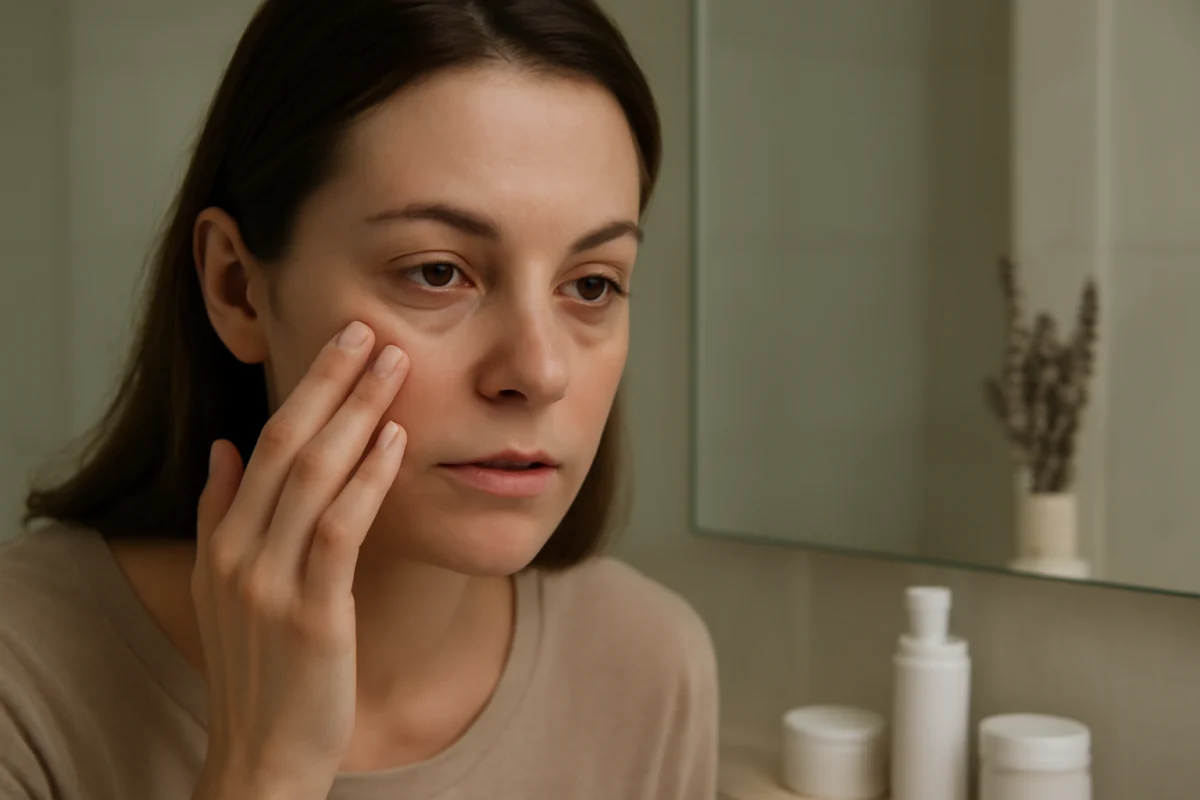
Hormonal changes can make dark circles look more noticeable by influencing pigmentation, blood vessels, fluid balance, skin thickness, and sleep. A sudden change does not always mean that the under-eye skin itself has permanently changed. Menstrual-cycle fluctuations, pregnancy, postpartum changes, perimenopause, menopause, stress-related shifts, and some hormonal medications may all coincide with a darker or more tired-looking eye area.
That said, hormones are only one possible factor. Genetics, allergies, rubbing, dehydration, sun exposure, irritation, facial structure, and ordinary variation in sleep can create a similar appearance. Skincare may improve the way the area looks, but it cannot determine the underlying cause or replace medical evaluation when a change is persistent, severe, or accompanied by other symptoms.
How hormonal shifts may affect the under-eye area
The skin beneath the eyes is relatively thin and has little cushioning compared with many other areas of the face. Because of that, small changes in color, swelling, blood flow, or shadowing can be easy to see. Hormonal fluctuations may affect several of these factors at the same time.
Changes in pigmentation
Hormonal activity can influence how readily some people develop or notice excess pigment. This is one reason facial discoloration may become more apparent during pregnancy or other periods of hormonal change. The under-eye area may look brown, tan, or uneven rather than blue or purple when pigment is the main contributor.
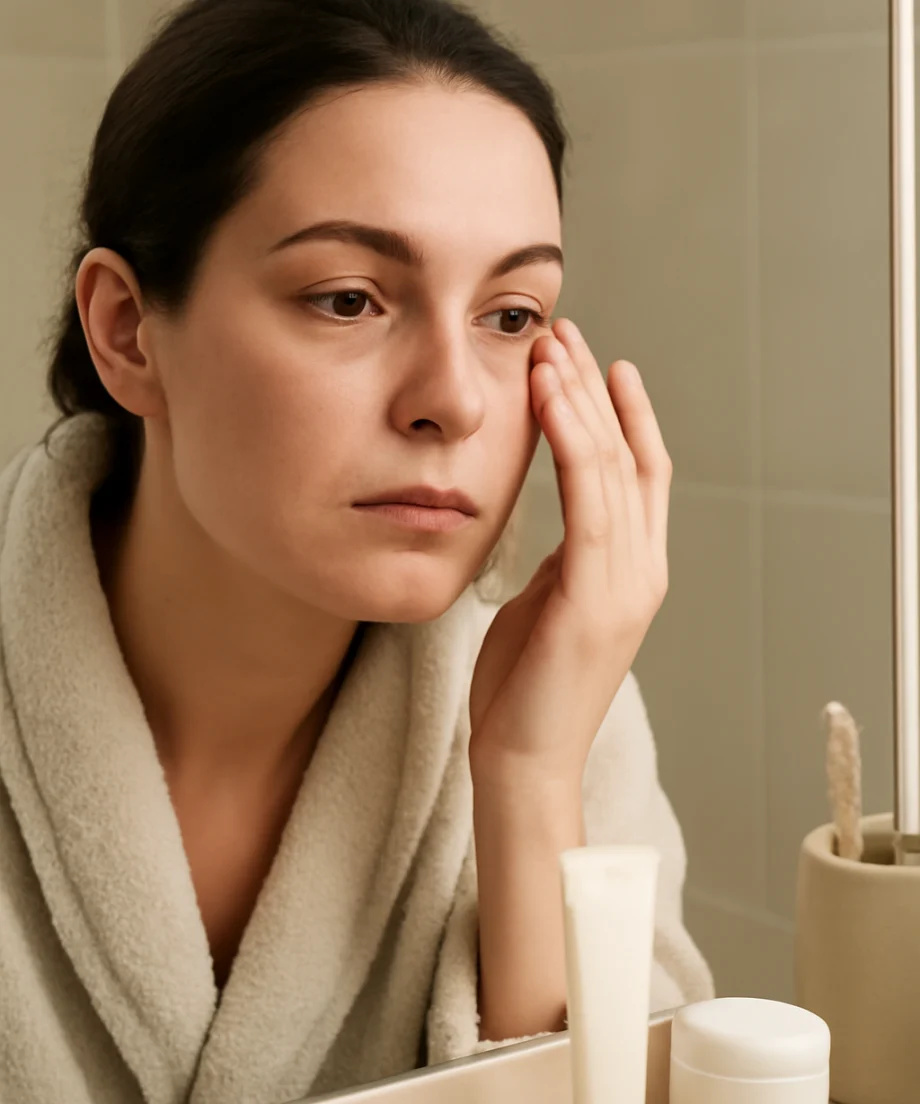
Sun exposure can make this contrast more visible. If the surrounding skin darkens while the area beneath the eyes remains a different shade, the circles may stand out more. Rubbing from itching, dryness, or allergies can also contribute to an uneven-looking tone, particularly when the skin is easily irritated.
More visible blood vessels
Blue, purple, or reddish under-eye color may be related to visible blood vessels beneath thin skin. Hormonal changes do not necessarily create a new problem, but they may occur alongside changes in circulation, skin thickness, sensitivity, or fluid retention that make existing vascular color easier to see.
Some people also notice stronger color variation when they are tired, overheated, dehydrated, or experiencing nasal congestion. In these situations, the appearance may fluctuate rather than remain exactly the same from day to day.
Fluid retention and puffiness
Hormonal shifts can coincide with changes in fluid balance. Mild swelling may make the lower eyelid appear fuller, while the resulting fold casts a deeper shadow underneath it. This can look like a sudden increase in dark circles even when the skin’s pigment has not changed substantially.
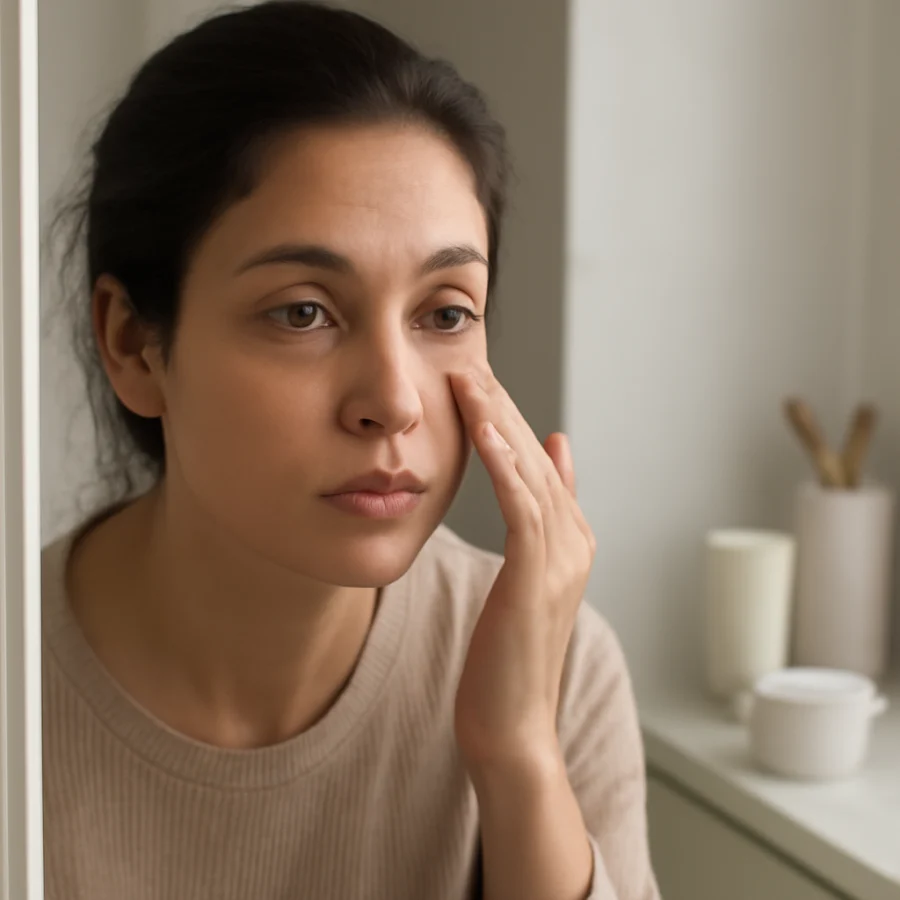
Morning puffiness, salt intake, crying, allergies, and sleeping position may add to this effect. If swelling is the main issue, an eye cream marketed for dark circles may not address the visible shadow as directly as a gentle routine focused on reducing irritation and supporting the skin barrier.
Dryness and a weaker-feeling skin barrier
Hormonal transitions may coincide with changes in dryness or sensitivity. When the under-eye area becomes dry, rough, or irritated, fine texture can catch light differently. Concealer may also settle into creases, making the area appear darker or more uneven.
Dryness does not prove that hormones are responsible, but it can make existing circles more noticeable. A simple moisturizer designed for the eye area or a bland, fragrance-free facial moisturizer may help the skin look smoother. Avoid applying products too close to the lash line, where they can migrate into the eyes.
When dark circles appear during common hormonal transitions
Menstrual-cycle changes
Some people notice temporary differences in puffiness, skin sensitivity, breakouts, or overall complexion at different points in the menstrual cycle. If dark circles look worse for a short period and then become less noticeable, fluid retention, sleep changes, congestion, or skin sensitivity may be contributing.
Tracking the timing of the change for several cycles can be more useful than changing several products at once. Note whether the color is brown, blue, or purple; whether swelling is present; and whether itching, congestion, or dryness occurs at the same time.
Pregnancy and postpartum changes
Pregnancy can involve broad changes in pigmentation, sensitivity, fluid balance, sleep, and skincare tolerance. Postpartum life may add fragmented sleep, dehydration, stress, and a disrupted routine. Together, these factors can make the under-eye area look darker or more hollow without indicating a permanent change.
Pregnancy and breastfeeding also make product selection more personal. Before using prescription products or strong cosmetic actives, ask a qualified health professional whether they are appropriate for your situation. Cosmetic labels and manufacturer guidance should be checked because formulas and usage directions can change.
Perimenopause and menopause
During perimenopause and menopause, many people experience changes in dryness, skin texture, sleep, and temperature regulation. A gradual reduction in skin fullness or increased dryness may make shadows and fine lines more visible. Night sweats or sleep disruption can add to a tired appearance, even when you are spending enough time in bed.
These changes are not a diagnosis, and an eye cream cannot correct every factor involved. A consistent moisturizer, daily sun protection, and gentle application can support the appearance of the area while you consider whether other symptoms deserve professional attention.
How to tell whether the darkness is mainly pigment, shadow, or puffiness
There is no reliable at-home method for identifying the exact cause, but a few appearance clues can help you choose reasonable cosmetic care:
- Brown or tan color: Pigment or surface discoloration may be contributing.
- Blue, purple, or red color: Visible blood vessels beneath thin skin may be more noticeable.
- Darkness that changes with lighting or facial position: A hollow, fold, or puffiness-related shadow may be involved.
- Darkness with itching or scaling: Irritation or allergies may be contributing, especially if rubbing is frequent.
- Darkness with morning swelling: Fluid retention, sleep position, congestion, or other temporary factors may be relevant.
More than one pattern can exist at once. For additional background, see this guide to dark circles versus under-eye shadows.
Skincare choices that may improve the appearance
When hormonal changes are suspected, the most useful routine is usually a steady, low-irritation routine rather than an aggressive attempt to brighten the area quickly.
Use gentle cleansing and moisturization
Remove makeup without scrubbing or tugging. If a cleanser stings or leaves the skin tight, consider switching to a gentler option and avoid rubbing with cotton pads or towels. Apply a small amount of moisturizer to the orbital area, staying away from the immediate lash line.
Ingredients such as humectants, emollients, and occlusive ingredients may help the skin feel more comfortable and look less crepey when dryness is contributing. For ingredient background, the site’s eye cream ingredient guide can help you compare common categories without assuming that one ingredient works for every person.
Protect the area from sunlight
Daily broad-spectrum sunscreen on the surrounding face can help limit additional sun-related discoloration. Many people find sunscreen difficult to use close to the eyes, so choose a product that is labeled for your intended area and apply it carefully. Sunglasses and a hat can provide extra physical protection.
If sunscreen causes watering or stinging, stop using that product around the eyes and look for a better-tolerated option. Do not force yourself to continue with an irritating formula.
Consider brightening ingredients cautiously
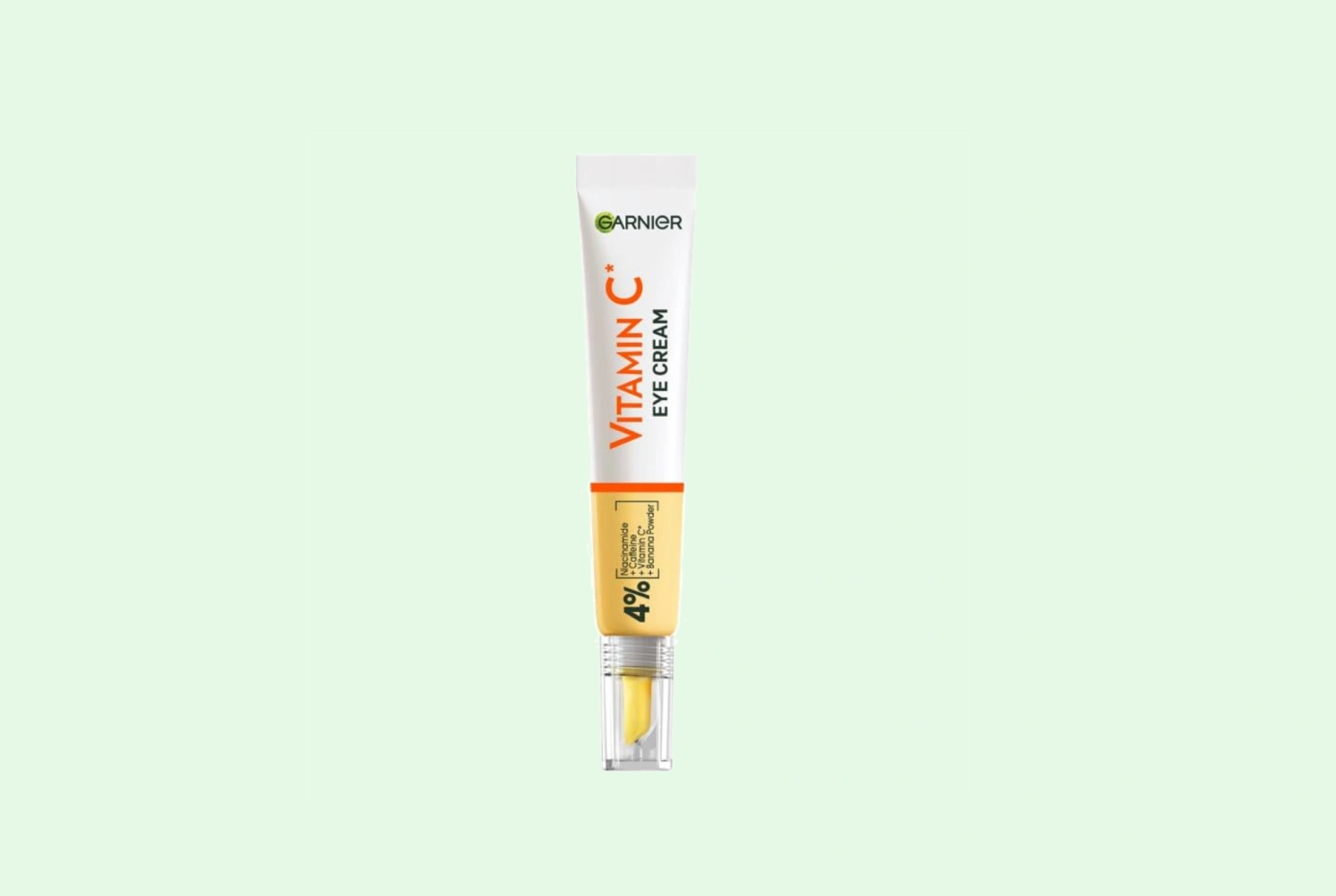
Some eye products contain ingredients commonly used to improve the appearance of uneven tone, such as vitamin C derivatives, niacinamide, or other brightening agents. Results, if any, are cosmetic and may be gradual. They are not a guarantee that dark circles will disappear, especially when shadows, visible vessels, or facial anatomy are major contributors.
Retinoids and exfoliating acids may be irritating around the eyes. If you choose a product with a potentially irritating active, follow the label, introduce it gradually, avoid combining several strong actives at once, and use only the amount directed. Patch testing can be useful, although it cannot predict every reaction. Stop using the product if you develop burning, significant redness, swelling, rash, or worsening discomfort.
Use caffeine products for a temporary cosmetic effect
Caffeine is included in some eye products intended to make puffiness or tired-looking skin appear temporarily less noticeable. It is not a treatment for hormonal changes and may not address brown discoloration or structural shadows. If you are considering it, compare the complete formula rather than choosing based on one ingredient alone. Product formulas can change, so verify the current packaging or manufacturer ingredient list.
Routine habits that may make a visible difference
Skincare cannot compensate for every hormonal or health-related factor, but basic habits may reduce temporary worsening:
- Keep your routine consistent instead of switching products every few days.
- Drink fluids regularly and eat normally rather than relying on extreme approaches.
- Try to maintain a stable sleep schedule when possible.
- Manage nasal congestion or allergy triggers with guidance from a qualified professional if symptoms are recurring.
- Avoid rubbing the eyes, especially when the skin is itchy or irritated.
- Use cool—not icy—compresses briefly if mild puffiness feels uncomfortable.
These steps may help the area look calmer, but they do not diagnose the reason for a sudden change. If you want help organizing products around dryness, sensitivity, puffiness, or pigmentation concerns, the under-eye routine builder can provide a starting framework.
When to seek medical advice
Consider contacting a qualified health professional if dark circles appear suddenly and persist, become substantially worse, or occur with symptoms such as marked swelling, pain, vision changes, a rash, unusual fatigue, shortness of breath, unexplained weight change, or swelling elsewhere. Seek prompt care for severe symptoms or changes affecting only one eye.
A professional can assess the broader pattern, review medications and hormonal history, and decide whether further evaluation is appropriate. Dark circles alone are often a cosmetic concern, but appearance changes can sometimes occur alongside issues that skincare cannot address.
What to expect from an eye cream
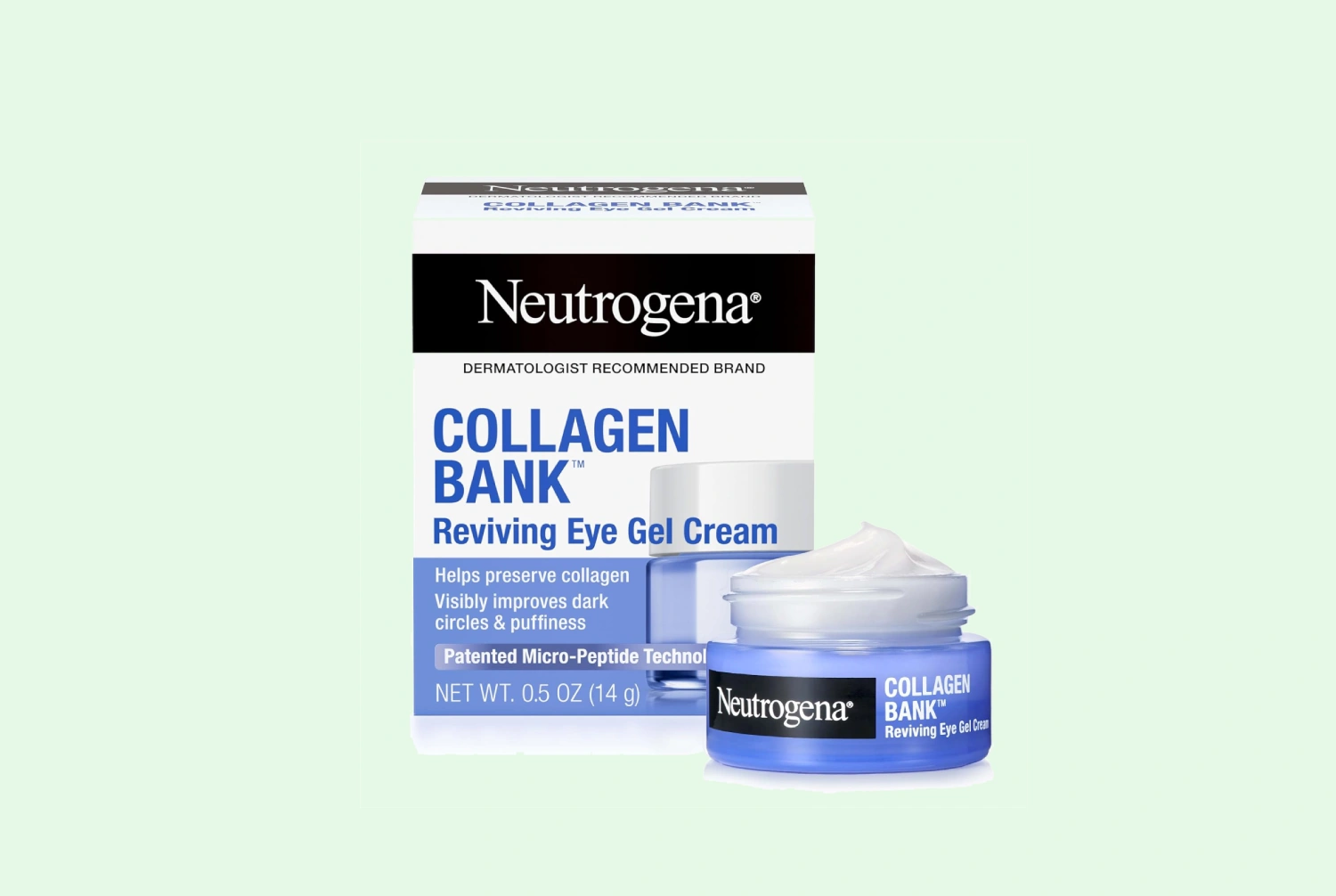
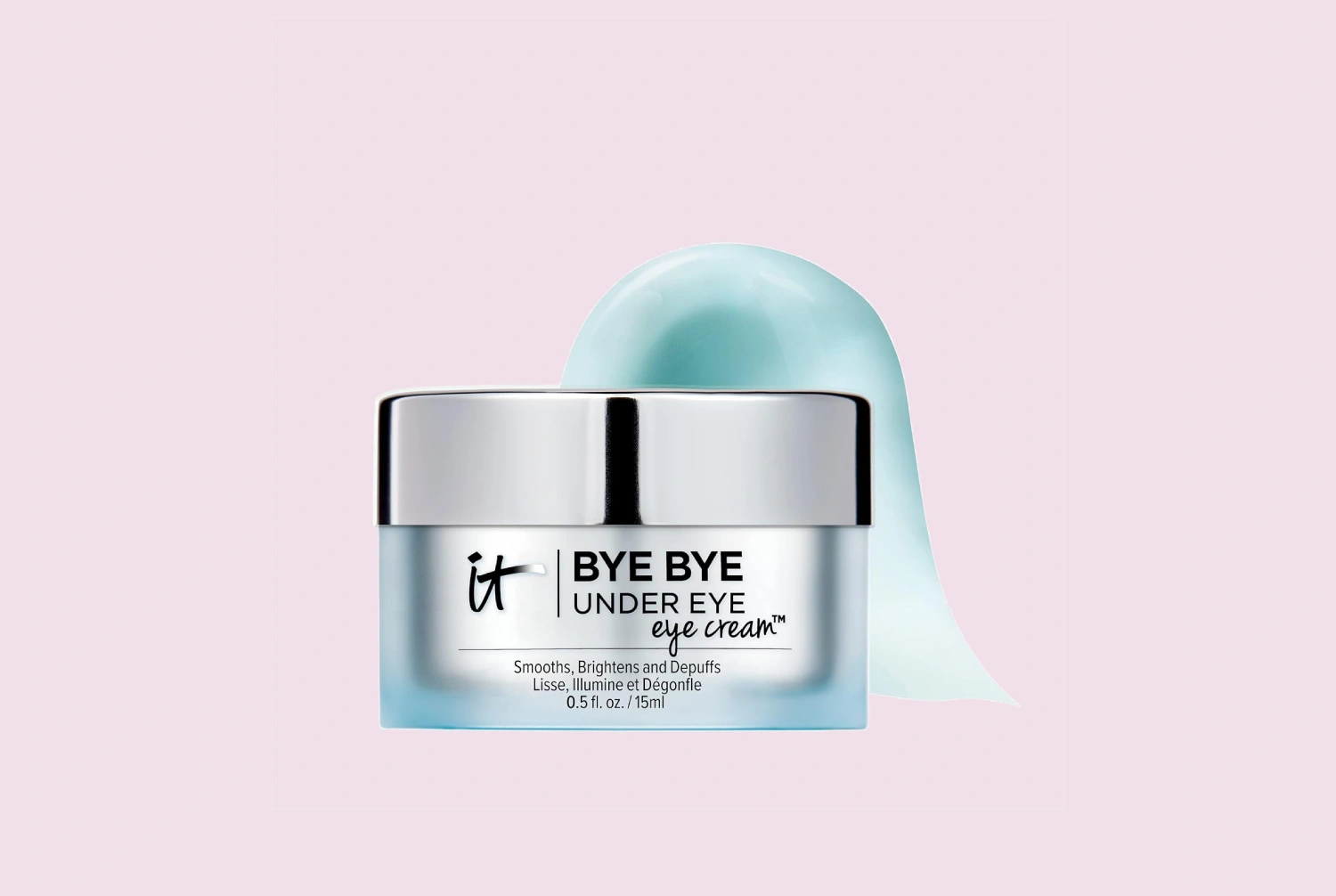
An eye cream may improve hydration, softness, surface texture, or the temporary appearance of puffiness. It may make concealer apply more smoothly and help the area look less dry. However, it is unlikely to fully change darkness caused by genetics, facial hollows, prominent blood vessels, significant pigmentation, or an underlying medical issue.
Choose a product based on your most visible concern, your skin’s tolerance, and the full ingredient list. Introduce one new product at a time so you can identify what helps or irritates you. Since cosmetic formulas and labeling can change, check the current package or manufacturer information before relying on product-specific details.
Hormonal changes can make dark circles seem to appear overnight, but the visible result usually reflects several overlapping factors. A patient routine, sun protection, gentle handling, and realistic expectations can support the appearance of the under-eye area while you monitor whether the change settles or needs professional evaluation.

Comments
0No comments yet. Be the first to share a helpful note or question.
Leave a Comment
Your email address will not be published. Comments are reviewed before appearing on the site.