
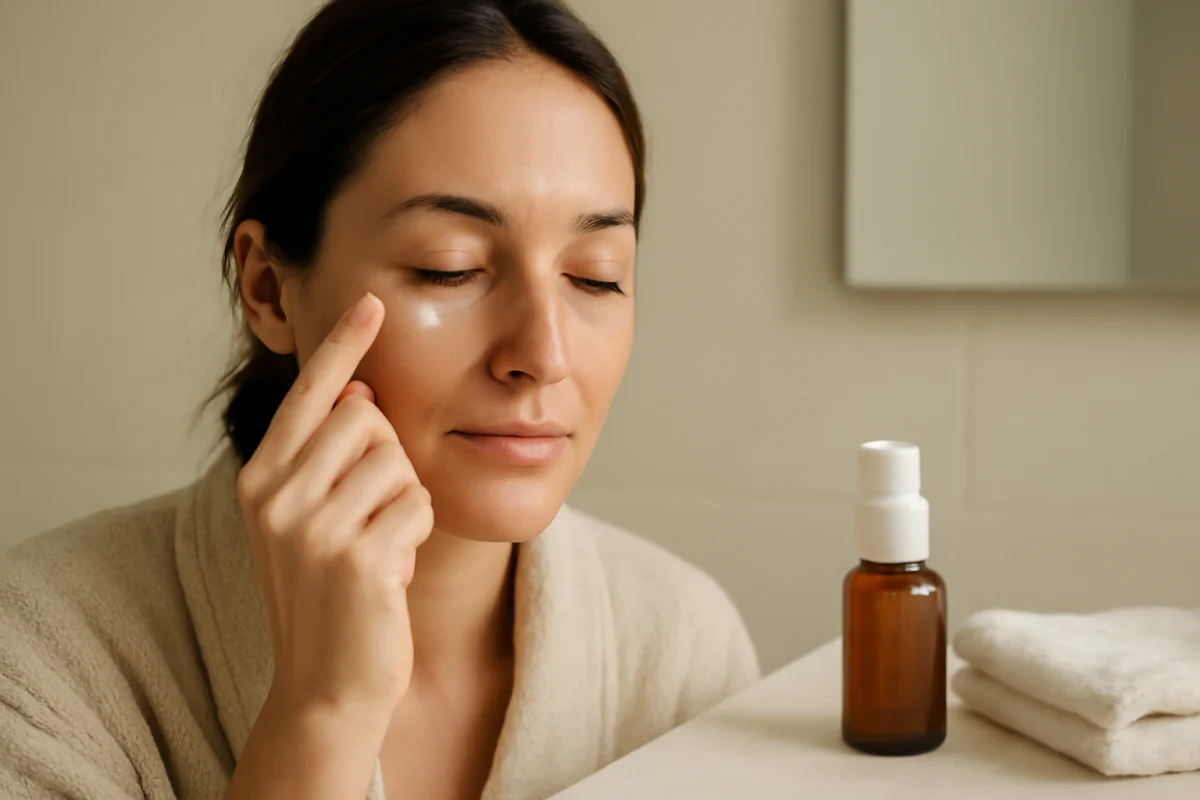
Vitamins cannot reliably eliminate chronic under-eye bags, especially when the appearance is linked to genetics, aging, facial structure, fluid retention, allergies, or a medical condition. However, certain vitamin-based ingredients may support the skin’s appearance and help make discoloration, dryness, or fine lines less noticeable. The most useful choices depend on whether you are dealing with true under-eye bags, temporary puffiness, dark circles, or a combination of concerns.
Because persistent puffiness can have different causes, skincare should be viewed as cosmetic support rather than a treatment. A well-chosen eye product, gentle application, sun protection, and attention to lifestyle factors may improve the way the area looks, but no vitamin can reshape the under-eye contour or permanently remove a structural bag.
What “chronic under-eye bags” can mean
Under-eye bags are not always the same as morning puffiness. Temporary puffiness may become more noticeable after poor sleep, crying, a salty meal, seasonal allergies, or sleeping in a position that encourages fluid to collect around the eyes. It may fluctuate during the day.
More persistent bags can be associated with age-related changes, inherited anatomy, skin laxity, or the forward movement of fat beneath the lower eyelid. These concerns may remain visible even when you are well rested and using effective skincare. A topical vitamin may help the surface skin look smoother or more hydrated, but it generally cannot correct changes beneath the skin.
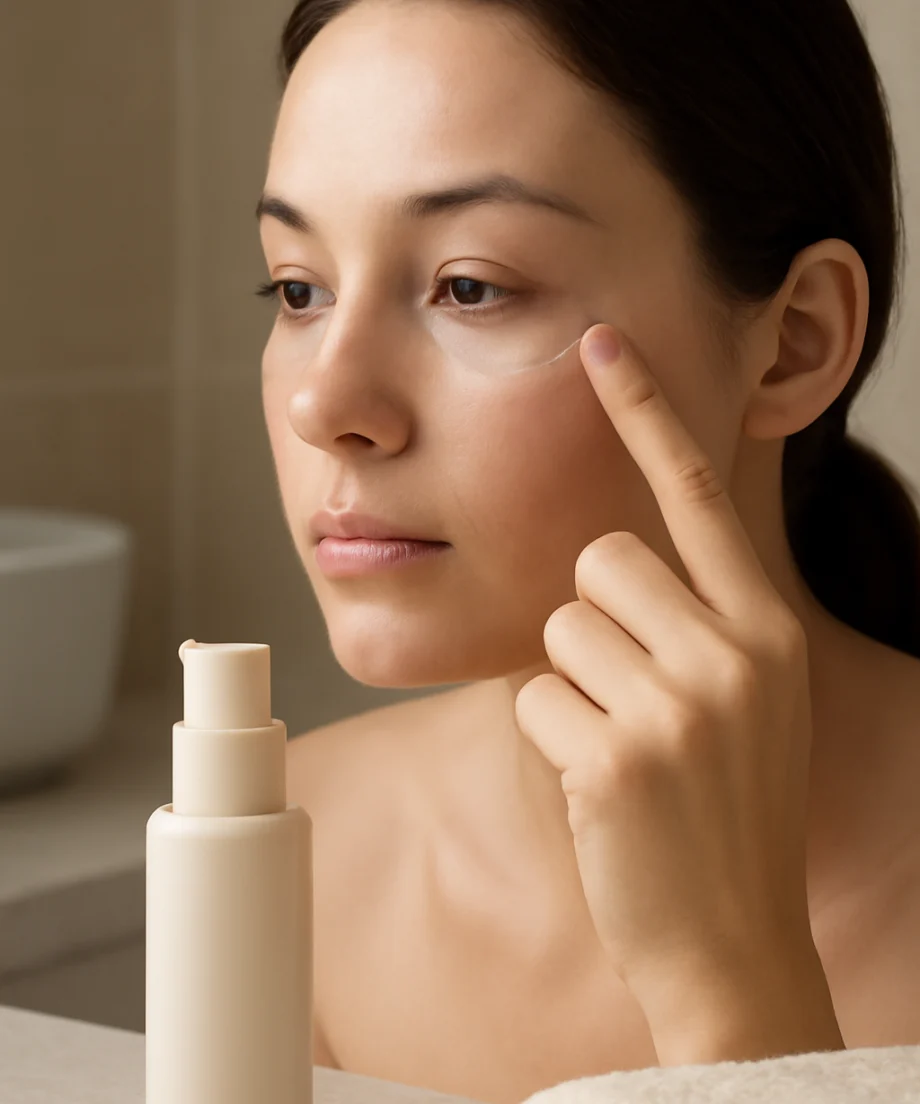
For a useful overview of the difference between these concerns, see our guide to eye bags versus puffiness. Understanding the pattern can prevent you from expecting a brightening product to solve a problem that is primarily related to contour or swelling.
Vitamin ingredients that may support the under-eye area
Vitamin C for dullness and uneven-looking tone
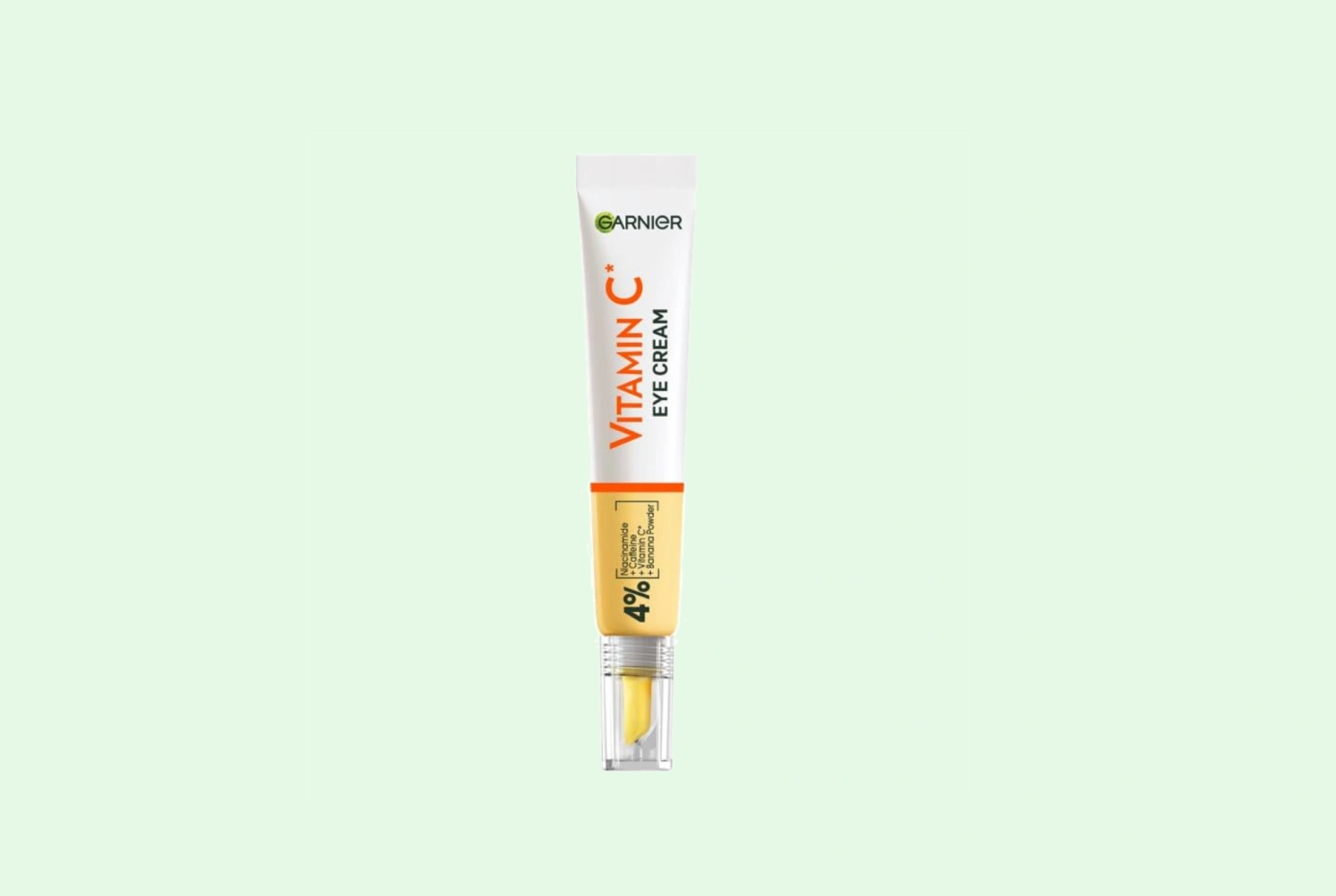
Vitamin C is an antioxidant commonly used in skincare to help protect against environmental stressors and support a brighter-looking complexion. Around the eyes, it may be a reasonable option when darkness is partly related to dullness or uneven tone. It can also complement a daily sunscreen routine, although it should not replace sunscreen.
Vitamin C is not a dependable solution for every type of dark circle. Blue, purple, or gray-looking circles may be influenced by visible blood vessels, thinner skin, shadows, or facial anatomy. A vitamin C product may also be too irritating for some people, particularly when the formula is strong or combined with other active ingredients.
If you are considering this ingredient, select a product specifically labeled for the eye area and follow its directions. Avoid applying it too close to the lash line, use a small amount, and stop if you develop burning, persistent redness, swelling, or a rash. Product formulas can change, so check the current package and manufacturer ingredient list before buying.
Vitamin A derivatives for the look of fine lines
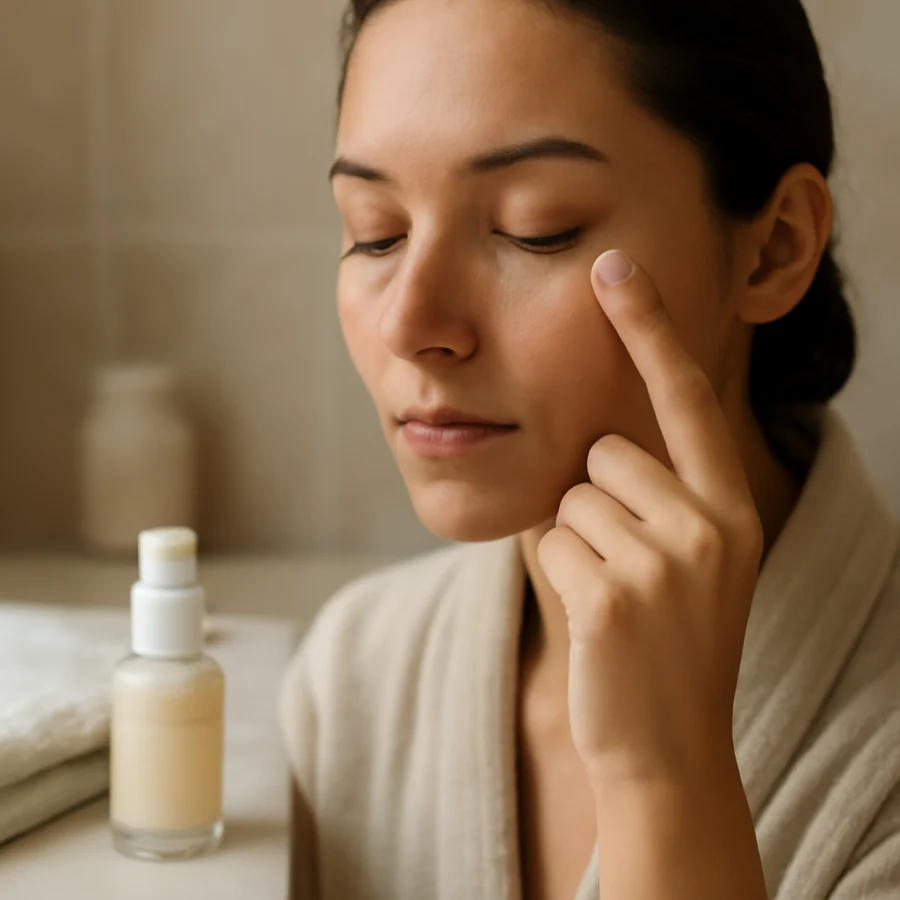
Retinol and related vitamin A derivatives are often included in products designed for the appearance of fine lines and uneven texture. By supporting a smoother-looking surface over time, they may make the eye area look more refined. This can sometimes reduce the visual contrast created by crepey texture, but it does not remove a pronounced under-eye bag.
Vitamin A ingredients require extra caution around the eyes. They may cause dryness, peeling, redness, or irritation, particularly when introduced too frequently or used alongside other potentially irritating products. Follow the product label, introduce the product gradually if the directions allow, and keep it away from the eyes themselves. Anyone who is pregnant, trying to become pregnant, or breastfeeding should ask a qualified health professional about whether a particular vitamin A skincare product is appropriate.
Our retinol eye cream guide can help you compare the intended use of these products with your actual concern. If the primary issue is swelling rather than fine lines, retinol may not be the most logical first choice.
Vitamin E for moisturizing support
Vitamin E is a fat-soluble antioxidant often used in moisturizers and barrier-supporting formulas. Its most practical role around the eyes is usually hydration and emollience. When dry skin makes fine lines or texture look more pronounced, a richer product may temporarily make the area appear smoother and more comfortable.
Vitamin E should not be treated as a proven way to eliminate bags. Some people may also find certain rich formulas uncomfortable, especially if they migrate into the eyes or feel heavy on the skin. If you are prone to milia or dislike occlusive textures, look for a lighter formula and apply only a small amount.
Vitamin B3, also called niacinamide
Niacinamide is a form of vitamin B3 used in many skincare products. It may support the skin barrier and help the skin look more even and hydrated. For the under-eye area, that can be useful when dryness, mild dullness, or a compromised barrier contributes to a tired appearance.
Niacinamide is not a direct treatment for structural bags or significant swelling. It is often considered a relatively versatile ingredient, but irritation is still possible. Check the full ingredient list, especially if you already use several active products near the eyes.
Which vitamins are most relevant to different concerns?
Ingredient selection is more useful when it matches the visible concern:
- For dry, crepey-looking skin: prioritize a gentle moisturizer with barrier-supporting ingredients. Vitamin E or niacinamide may be included, but the overall formula and comfort matter more than a single vitamin.
- For dull or uneven-looking tone: a carefully formulated vitamin C product may be worth considering, together with daily broad-spectrum sunscreen applied as directed around the eye area.
- For fine lines and texture: a suitable vitamin A product may offer cosmetic support over time, but it requires patience and careful use.
- For temporary puffiness: vitamins are usually not the first ingredient to look for. Cooling techniques, allergy management when appropriate, sleep habits, and a lightweight product may be more relevant.
- For a persistent, prominent pouch: topical vitamins are unlikely to make a major structural difference. A consultation with a qualified medical professional may be more appropriate if the concern is significant or changing.
How to choose a vitamin eye product
Start with the formula, not the marketing claim
Look for a product designed for the eye area, clear usage directions, and packaging that helps protect ingredients from light or air when relevant. Avoid assuming that a product will work simply because its name includes “vitamin,” “brightening,” or “anti-aging.” Marketing language does not establish that a product will remove bags.
Read the current ingredient list before purchasing. Formulas can change, and product pages may not always reflect the exact packaging available to you. If a specific ingredient or potential allergen matters, verify the manufacturer’s current information.
Consider your skin’s tolerance
The skin around the eyes is delicate, and irritation can temporarily make puffiness or darkness look worse. If you have sensitive skin, choose a simple formula and avoid introducing several new products at once. Perform a small patch test when appropriate, follow the label, and stop using the product if you experience persistent irritation.
Do not apply a product directly to the eyeball, inside the eyelid, or onto damaged skin. Keep containers clean and avoid sharing them. If a product gets into the eye and causes ongoing discomfort, rinse as directed by a medical professional or product label and seek advice if symptoms continue.
A realistic routine for chronic-looking bags
A practical routine can be simple:
- In the morning, cleanse gently or rinse as needed, then apply a lightweight eye product if it feels comfortable.
- Use broad-spectrum sunscreen according to the product directions, taking care to avoid direct contact with the eyes.
- In the evening, remove makeup without rubbing and apply one targeted product rather than layering multiple strong actives.
- Use a plain moisturizer if dryness is contributing to a crepey appearance.
- Track whether puffiness changes with sleep, allergies, diet, or time of day.
For more help matching a routine to your concern, use the under-eye routine builder. If puffiness is your main issue, you can also review ingredients commonly considered for that concern in our guide to eye cream ingredients for puffiness.
When persistent puffiness should be checked
Skincare is not a substitute for evaluation when an under-eye change is unusual or accompanied by other symptoms. Seek medical advice if swelling is sudden, painful, markedly one-sided, associated with redness or vision changes, or accompanied by symptoms elsewhere in the body. It is also reasonable to ask a qualified health professional about long-standing puffiness that concerns you, especially if it has changed over time.
Allergies, irritation, medication effects, and other health factors can influence the area beneath the eyes. A medical professional can help determine whether a symptom needs attention; an eye cream cannot make that determination.

What to expect from vitamin skincare
The most realistic goal is a modest cosmetic improvement in hydration, brightness, or surface texture—not the elimination of a chronic bag. Results, when they occur, vary by ingredient, formula, skin sensitivity, consistency, and the underlying cause of the concern. A product may make the skin look more rested while leaving the underlying contour unchanged.
Choose one appropriate product, use it consistently as directed, protect the area from sun exposure, and give your skin time to respond. If the bag itself is caused mainly by anatomy or age-related changes beneath the skin, vitamins may have limited visible impact. That limitation is not a sign that you used the product incorrectly; it reflects what topical skincare can and cannot realistically do.

Comments
0No comments yet. Be the first to share a helpful note or question.
Leave a Comment
Your email address will not be published. Comments are reviewed before appearing on the site.