

Digital eye strain can make the area under your eyes look more tired, puffy, or shadowed, but it usually is not the sole cause of dark circles. Long screen sessions may contribute indirectly through reduced blinking, eye rubbing, disrupted sleep, and temporary fluid changes. Genetics, pigmentation, visible blood vessels, thin skin, allergies, dehydration, and facial structure can also affect how dark circles appear. Understanding the difference helps you choose realistic skincare and habit changes instead of expecting an eye cream to solve every cause.
How screen use may affect the look of dark circles
Digital eye strain describes eye discomfort associated with activities such as working at a computer, scrolling on a phone, gaming, or watching a tablet for extended periods. Common experiences can include tired-feeling eyes, dryness, temporary blurred vision, headaches, and difficulty shifting focus. These symptoms concern the eyes themselves, while dark circles are a cosmetic appearance concern involving the skin and surrounding tissues.
The connection between the two is usually indirect. When your eyes feel dry or tired, you may rub or touch them more often. Rubbing can temporarily increase redness and irritation around delicate skin, making existing discoloration or visible vessels stand out. A long evening of screen use may also delay bedtime or make it harder to maintain a consistent sleep schedule. The resulting tired appearance can emphasize shadows and puffiness, even if the underlying pigmentation has not changed.
Screen time can also reduce how often you blink during visually demanding tasks. Less frequent blinking may leave the eye surface feeling dry, which can encourage squinting or rubbing. Neither behavior automatically creates permanent dark circles, but both can make the area look less rested for a while.

Dark circles have more than one appearance
“Dark circles” is a broad description rather than a single skin concern. The color and pattern under your eyes can offer clues about what makes them noticeable, although appearance alone cannot establish a diagnosis.
Brown or gray-brown discoloration
Brown-toned darkness may be related to visible pigmentation. Sun exposure, genetics, and repeated irritation can influence how noticeable pigmentation looks. The thin skin around the eyes can also make subtle color differences seem more prominent.
Blue, purple, or reddish tones
Blue or purple-looking shadows may reflect visible blood vessels beneath relatively thin skin. Fatigue, temporary congestion, or changes in circulation can make these tones more noticeable from one day to the next. Screen use does not necessarily create this pattern, but tired-looking eyes may draw attention to it.
Shadows caused by puffiness or facial structure
A raised area, hollow, or tear-trough shadow can create the impression of darkness even when the skin is not significantly more pigmented. Morning puffiness or fluid retention may make these shadows appear stronger. In this situation, a brightening product may have limited effect because the appearance is partly caused by light and contour.
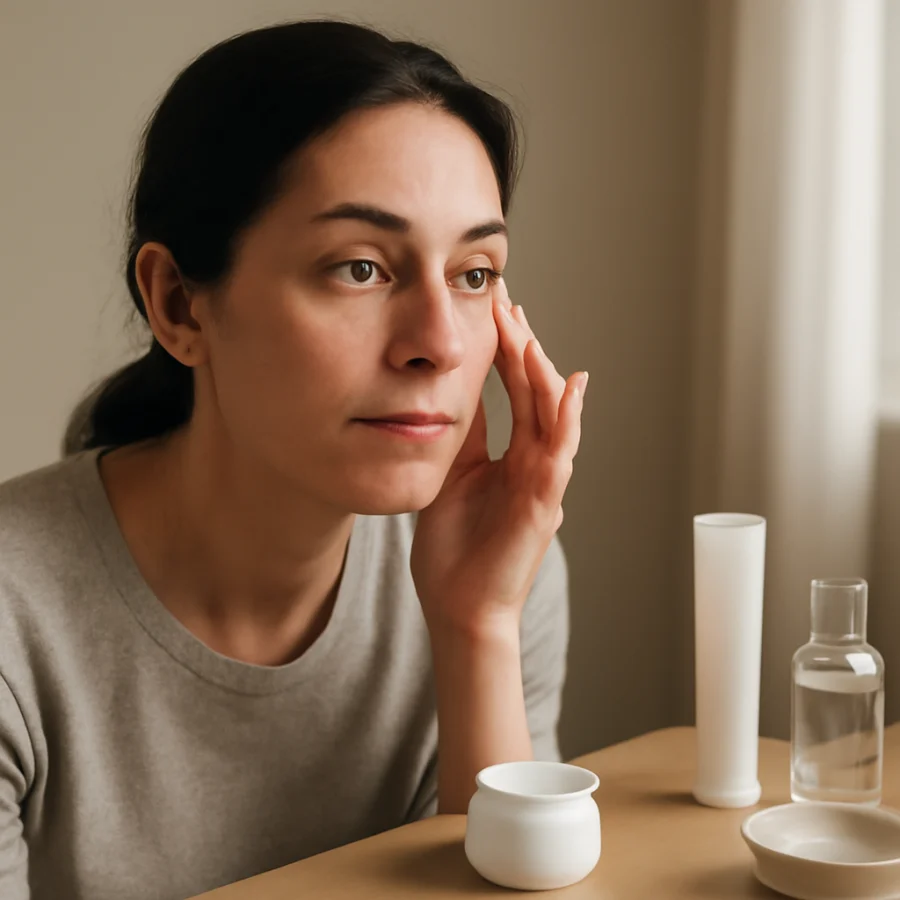
For a broader overview of these distinctions, see our guide to dark circles versus under-eye shadows.
Habits that may make the area look more tired
Screen exposure is often part of a larger routine rather than an isolated cause. Consider the following factors when the under-eye area looks worse after a demanding workday:
- Late-night screen use: Using a phone or computer close to bedtime may keep you mentally engaged and make it harder to follow a regular sleep routine.
- Eye rubbing: Touching the area can worsen temporary redness and irritation, especially if your hands, makeup, or skincare products are irritating your skin.
- Squinting: Glare, small text, or an uncomfortable viewing distance may encourage repeated squinting, which can make fine lines look more visible temporarily.
- Dry indoor air: Heating, air conditioning, and low humidity can add to a dry, uncomfortable feeling around the eyes.
- Dehydration or irregular meals: These factors may contribute to a generally tired appearance, although drinking more water is not a guaranteed way to change dark circles.
- Prolonged sitting: Staying in one position for long periods may coincide with a puffy morning or end-of-day appearance, but it does not explain every type of under-eye darkness.
Practical screen habits for a less tired-looking appearance
Small changes may improve comfort and reduce behaviors that draw attention to the under-eye area. They are not treatments for dark circles, but they can support a more comfortable routine.
Take regular visual breaks
During extended computer work, look away from the screen at regular intervals and focus on something farther away. The goal is to interrupt continuous near-focus work, relax your visual attention, and give yourself a reason to blink naturally. A break can also help you notice whether brightness, glare, or text size is causing unnecessary squinting.
Adjust your screen environment
Position your monitor to reduce glare, increase text size when needed, and use lighting that does not force you to stare into a bright screen in a dark room. Keep your screen at a comfortable distance rather than holding a phone very close to your face. These changes may make long tasks feel easier, but they will not remove genetic pigmentation or structural shadows.
Protect your sleep routine
If nighttime scrolling regularly cuts into sleep, consider creating a screen-free wind-down period. Keep expectations realistic: better sleep may make puffiness and a tired appearance less noticeable, but it may not change long-standing dark circles caused by pigmentation, anatomy, or inherited traits.
Try not to rub your eyes
If your eyes feel itchy or uncomfortable, rubbing may provide brief relief while increasing irritation around the skin. Use clean hands and follow the directions for any eye product or over-the-counter option you choose. Persistent, severe, or bothersome eye symptoms deserve attention from a qualified healthcare professional rather than repeated rubbing or cosmetic experimentation.
Skincare ingredients that may support the appearance of the under-eye area
An eye cream can moisturize the skin and temporarily improve the look of dryness or fine lines. Some formulas also contain ingredients selected for the appearance of puffiness or uneven tone. Results depend on the cause of the darkness, the formula, regular use, and individual tolerance.
Humectants and moisturizers
Ingredients such as glycerin, hyaluronic acid, and other moisturizing agents can help the skin hold water and feel more comfortable. Better hydration may make dry texture look smoother and can reduce the emphasis on fine lines caused by surface dryness. It does not erase shadows or permanently remove dark circles.
Caffeine
Caffeine is commonly used in products aimed at the appearance of puffiness and fatigue. It may provide a temporary cosmetic improvement for some people, but it should not be treated as a guaranteed solution. Learn more in our article on what caffeine can and cannot do for dark circles.
Vitamin C and other brightening ingredients
Some eye products use vitamin C or other tone-focused ingredients to support a more even-looking appearance. These ingredients vary in form and strength, and a product made for the face may not be suitable for the eye area. Read the label, avoid getting skincare in the eyes, and introduce one new active at a time.
Retinoids
Retinoid-based products may be used in some routines focused on the appearance of fine lines and uneven texture. The under-eye area can be particularly sensitive, so follow the product directions carefully and avoid assuming that a face product is appropriate for the eyelids or eye contour. If burning, persistent redness, swelling, peeling, or other irritation develops, stop using the product and seek appropriate professional guidance. Our overview of retinol for dark circles explains important precautions.
How to choose an eye cream when screens are part of your routine
Start with the appearance you want to address rather than the length of your screen time. For dryness or a tight feeling, look for a gentle, fragrance-free moisturizer with clearly listed hydrating ingredients. For occasional puffiness, you may prefer a lightweight formula, but no topical product can change every structural or inherited cause of under-eye shadows.
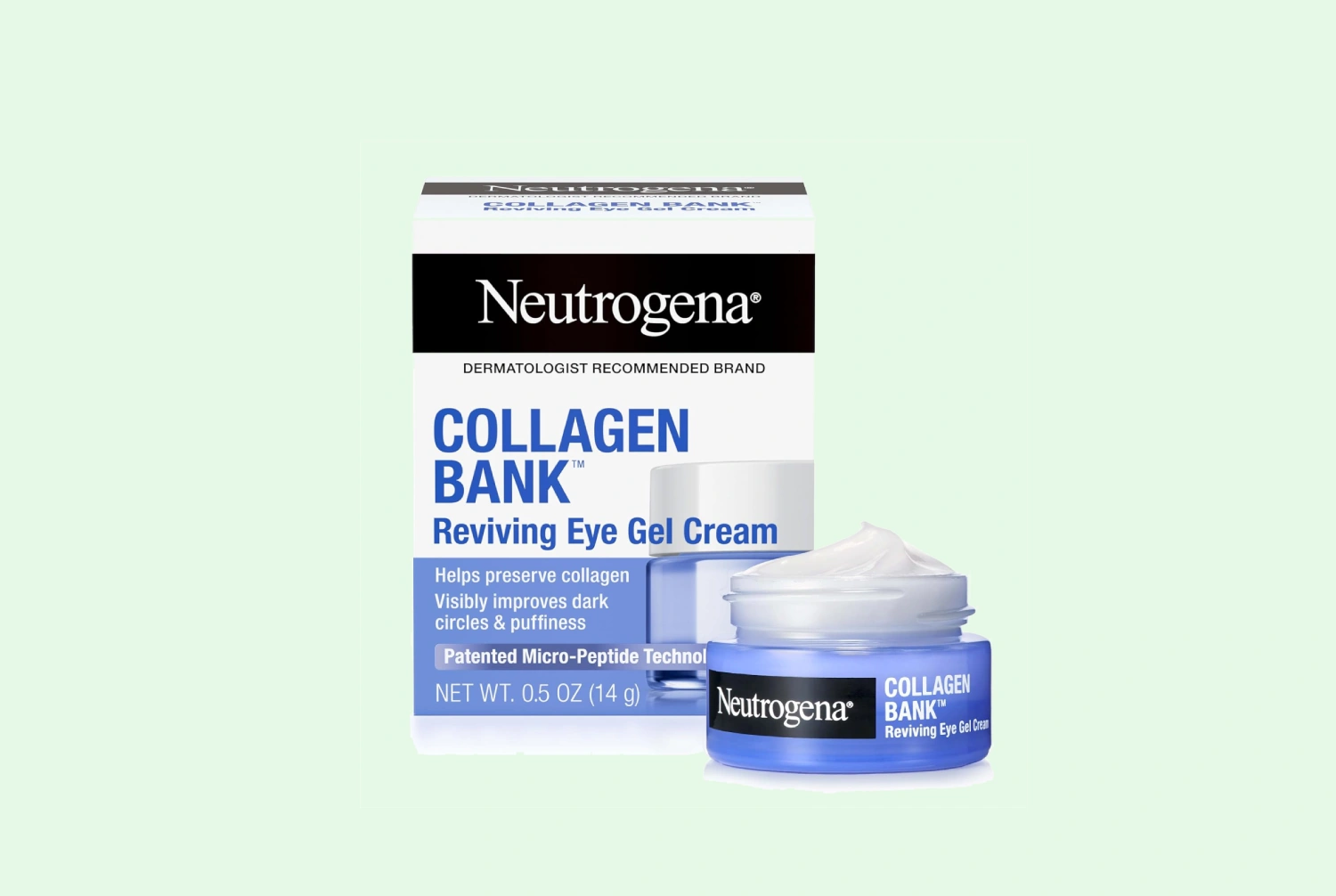
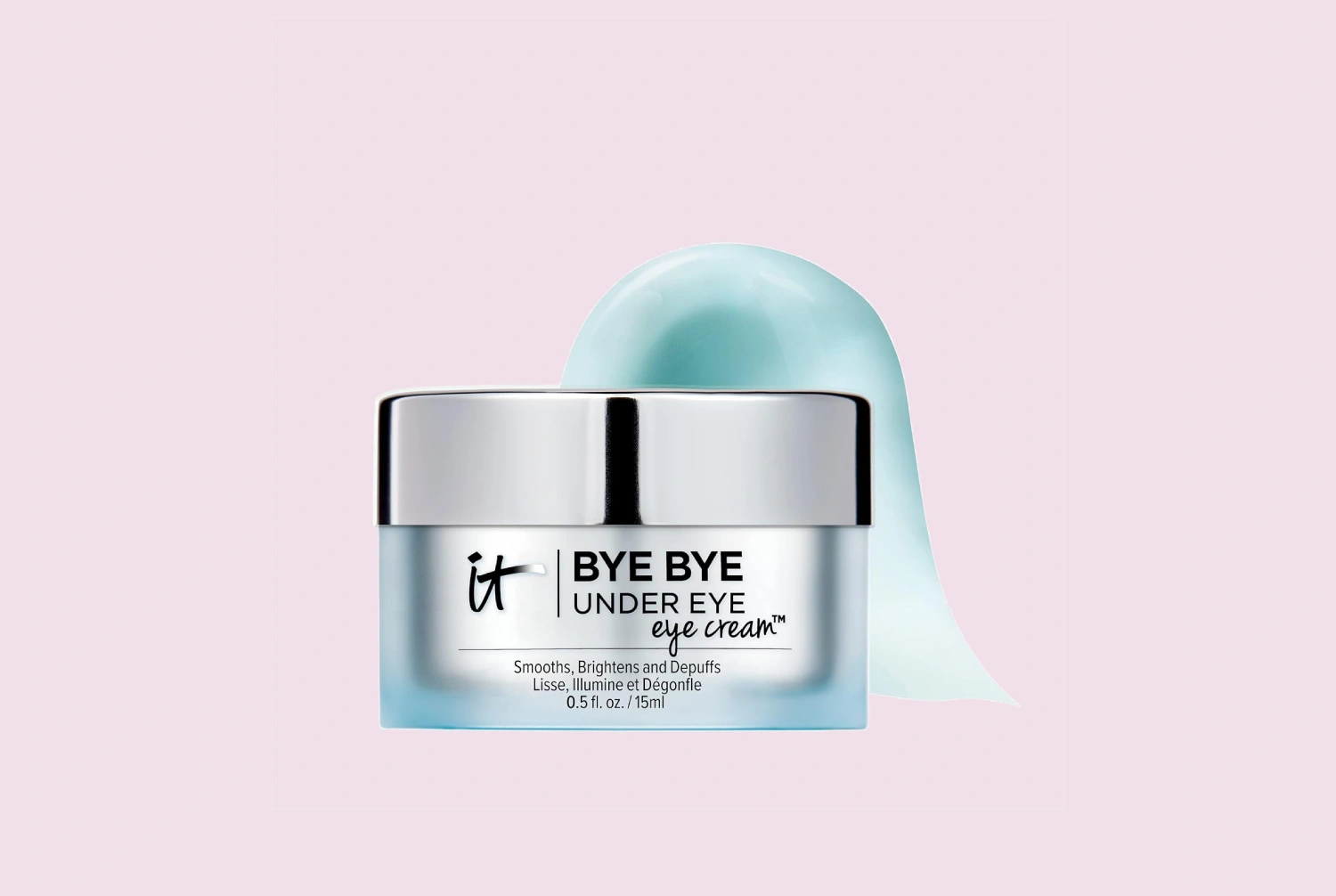
If you have sensitive skin, keep the routine simple and introduce products gradually. Follow the label, consider a small patch test when appropriate, and stop using a product if it causes irritation. Do not apply products directly to the eye or lash line unless the label specifically allows that use. Product formulas can change, so verify the current packaging and manufacturer ingredient list before relying on a product-specific detail.
For a more structured starting point, use our under-eye routine builder to organize choices around your skin concerns and tolerance.
When screen habits are not the whole explanation
Dark circles that remain visible despite adequate rest and reduced screen time may simply reflect genetics, pigmentation, facial structure, thin skin, or another everyday factor. Allergies and irritation can also affect the appearance of the area. Looking at patterns can help: is the darkness present year-round, does it change with puffiness, or does it appear mainly after rubbing or poor sleep?
Cosmetic skincare can support moisture, texture, and the temporary appearance of tiredness, but it cannot diagnose the reason for a color change. Seek medical advice for sudden or one-sided changes, significant swelling, pain, vision changes, injury, or symptoms that concern you. Those situations should not be managed only with eye cream.
What to expect from a realistic routine
A practical approach combines comfortable screen habits, consistent sleep, gentle skincare, and sun protection appropriate for the eye area. You may notice that the skin looks less dry or that temporary puffiness is less prominent. Long-standing color, visible vessels, hollows, and inherited features may remain partly unchanged.
The most useful question is not whether screens “cause” dark circles in every case. It is whether screen-related habits are adding dryness, rubbing, squinting, poor sleep, or temporary puffiness to an appearance that already has other causes. Addressing those contributors can make the under-eye area look more rested while keeping expectations grounded.


Comments
0No comments yet. Be the first to share a helpful note or question.
Leave a Comment
Your email address will not be published. Comments are reviewed before appearing on the site.