
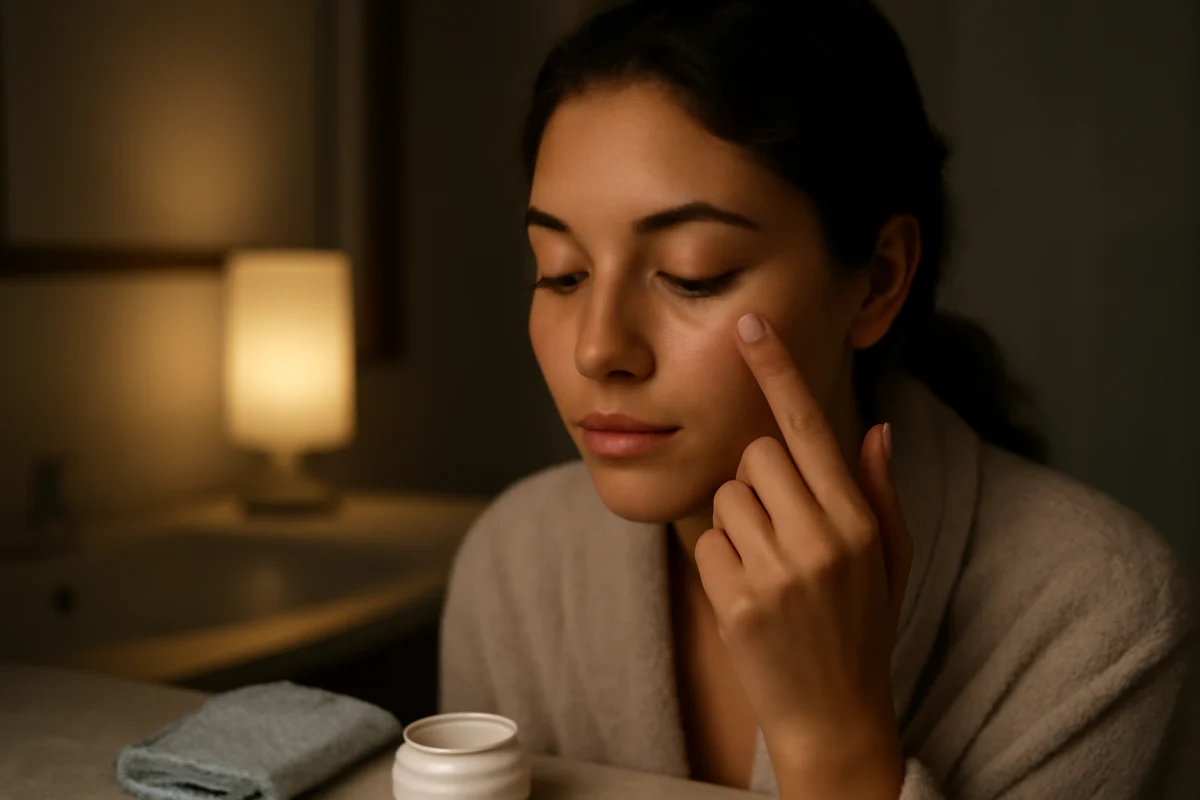
You may be able to make dark circles look less noticeable overnight by reducing temporary puffiness, adding moisture, cooling the area, and getting enough rest. However, natural remedies cannot reliably remove every type of under-eye darkness in a few hours. Dark circles may come from visible blood vessels, brown pigmentation, shadows caused by facial structure, thin skin, allergies, irritation, dehydration, or several factors at once.
The most realistic overnight goal is a fresher-looking eye area rather than permanent removal. A gentle routine can improve the appearance of dryness or morning swelling, while persistent pigmentation or hollowness usually needs a longer-term cosmetic approach. If you are unsure whether you are seeing discoloration or a shadow, this guide to dark circles versus under-eye shadows can help explain the difference.
What you can do tonight
Keep your evening routine simple. The skin under the eyes is delicate, and adding several new products or home remedies at once can cause redness, stinging, or swelling that makes the area appear darker the next morning.
1. Remove makeup without rubbing
Use a gentle cleanser or makeup remover suitable for your skin, and allow it to dissolve eye makeup before wiping. Pulling at the skin or repeatedly rubbing with a dry cotton pad may increase irritation. If mascara or concealer is difficult to remove, hold a damp pad over the area briefly instead of scrubbing.
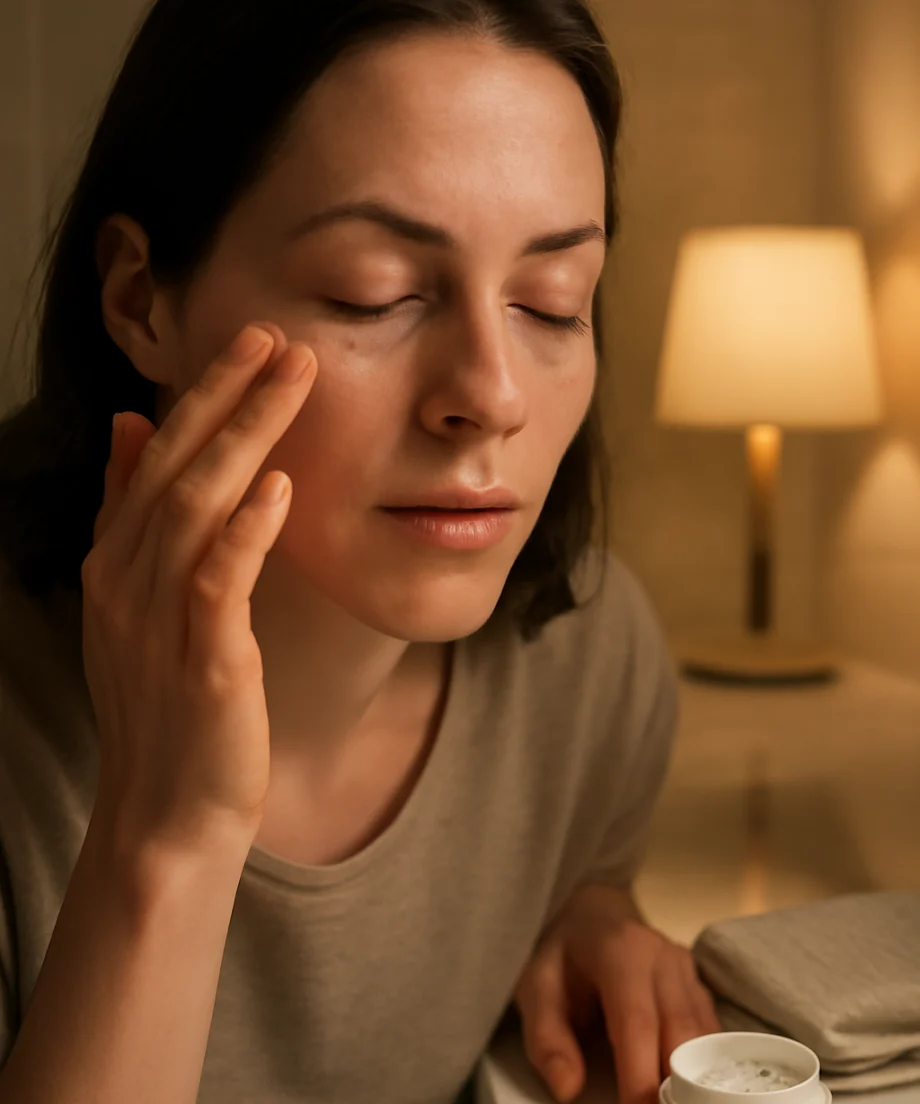
Reducing friction is especially important if your eyes water, itch, or react easily to cosmetics. Irritation can make redness and discoloration more noticeable, even when the original dark circles have not changed.
2. Apply a cool, clean compress
A cool, clean washcloth placed over closed eyes for several minutes may temporarily make puffiness less noticeable. Cooling can also feel soothing after a long day or exposure to screen-related eye strain. The compress should be cool rather than painfully cold, and it should not be placed directly from the freezer onto the skin.
This approach is more likely to help temporary swelling than brown pigmentation or shadows caused by facial anatomy. It is also a short-term appearance step, not a treatment for an underlying medical condition.
3. Use a plain moisturizer if the area feels dry
Dry, rough skin can reflect light unevenly and make fine lines or darkness look more prominent. Apply a small amount of a fragrance-free moisturizer around the orbital bone, staying away from the lash line unless the product label specifically says it is appropriate for that area.
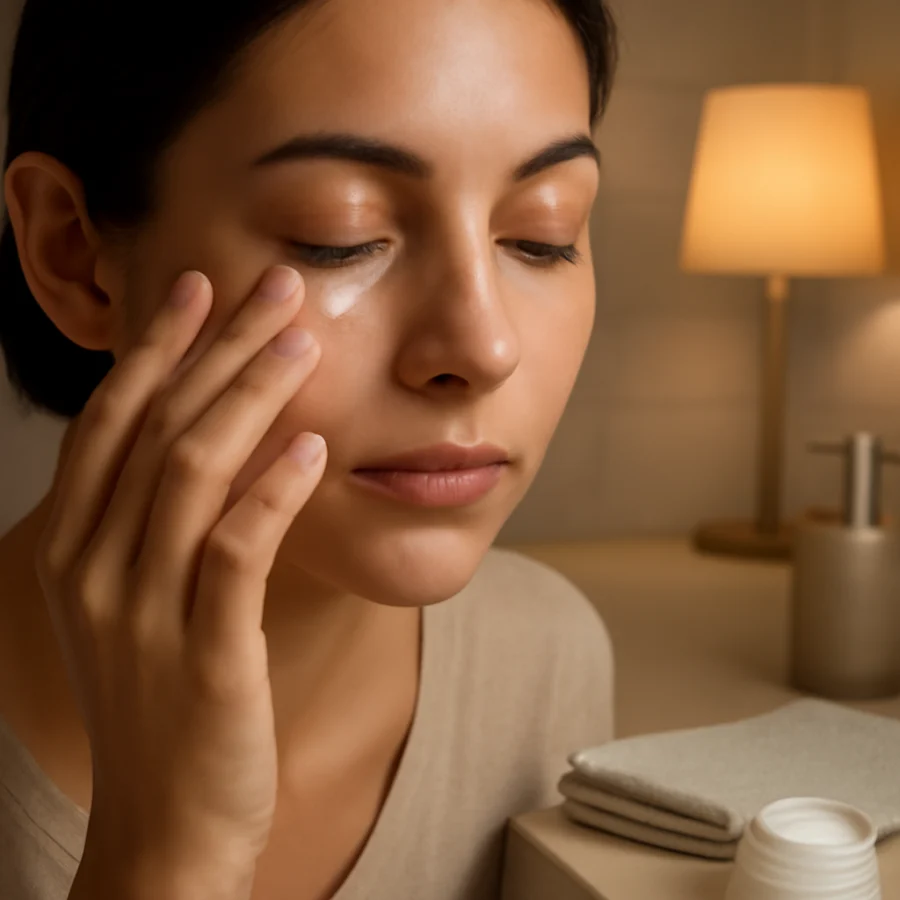
Do not assume that a richer product is automatically better. A heavy formula may migrate into the eyes and cause watering or irritation. If your skin is sensitive, choose a short ingredient list and avoid introducing several new products before an important morning.
4. Prioritize sleep and a comfortable head position
A consistent night of sleep may make tired-looking eyes appear more rested, although sleep alone cannot change genetic pigmentation, hollowness, or naturally visible blood vessels. If morning puffiness is your main concern, keeping your head slightly elevated may be more comfortable than lying completely flat. Avoid making the position so elevated that it strains your neck or disrupts sleep.
It is also reasonable to limit activities that commonly worsen morning swelling for you, such as eating a very salty late-night meal or going to bed after rubbing irritated eyes. Individual responses vary, so focus on patterns you can observe rather than strict overnight rules.
Natural ingredients that may improve the appearance
“Natural” does not automatically mean gentle, safe around the eyes, or effective. Plant extracts and kitchen ingredients can still cause allergic reactions or irritation. Avoid putting lemon juice, baking soda, essential oils, toothpaste, or undiluted apple cider vinegar near the eyes. These substances can irritate the skin and may make discoloration look worse.
Caffeine
Caffeine is included in some eye products because it may temporarily make the eye area look less puffy or tired. Any visible change is generally expected to be subtle and temporary, not a permanent correction of dark circles. A product’s exact formula and directions matter, so check the current packaging and manufacturer ingredient list before use. You can learn more about the realistic role of this ingredient in does caffeine help the appearance of dark circles?
Green tea and other botanical extracts
Some eye products contain green tea or other plant-derived extracts for their soothing or antioxidant positioning. Their effect depends on the complete formula, concentration, stability, and your skin’s response. A homemade tea bag compress is not a guaranteed solution, and warm, wet materials may irritate some people. If you try a cooled compress, use clean materials and stop if your skin stings, itches, or becomes red.
Aloe and moisturizing ingredients
Aloe-based products may feel soothing for some people, while humectants and emollients can temporarily improve the look of dryness. These effects relate primarily to comfort and surface hydration. They should not be confused with fading inherited pigmentation or changing the structure of a hollow under-eye area.
Choose your routine based on the type of darkness
The best overnight step depends on what you are seeing in the mirror. Under-eye concerns are not one uniform problem, and an eye cream that feels useful for dryness may do little for structural shadows.
Brown or gray-brown discoloration
Brown-toned darkness may be related to pigmentation, sun exposure, irritation, or genetics. A single night of moisturizing cannot erase it. During the day, protect the surrounding skin from ultraviolet exposure with a sunscreen that you can use comfortably and safely near the eye area, following its label directions. Sunglasses and a hat can also reduce direct sun exposure.
For longer-term cosmetic care, some people consider ingredients such as vitamin C or other brightening ingredients. These can irritate sensitive skin, and product formulas vary. Read the label, introduce one new active at a time, and stop using it if burning, persistent redness, or swelling develops. Our guide to vitamin C for dark circles explains why expectations should remain realistic.
Blue, purple, or reddish darkness
Blue or purple tones may be more visible when the skin is thin or when blood vessels show through. Cooling and gentle hydration may improve the overall appearance temporarily, but they are unlikely to change the underlying visibility of vessels overnight. Avoid aggressive massage, which can increase irritation or worsen swelling in some people.
Darkness that looks like a hollow or shadow
If the area looks darker under certain lighting and improves when you change the angle of your face, the appearance may be partly caused by a tear-trough hollow, puffiness, or facial contours. Skin care cannot reliably fill a structural hollow in one night. Moisturizer and a cool compress may make the surrounding skin look smoother, but they will not reshape the area.
Darkness with puffiness or allergies
Swelling can cast a shadow and make circles look more pronounced in the morning. A cool compress, avoiding eye rubbing, and addressing known cosmetic triggers may help the appearance. If you regularly have itching, watering, congestion, or irritation, consider discussing those symptoms with a qualified health professional rather than assuming they are only a cosmetic issue. You can also read about the connection in can allergies cause dark circles under the eyes?
How to apply an eye product safely at night
If you use an eye cream, apply a very small amount to clean, dry skin and follow the product directions. Pat gently around the orbital bone instead of dragging the skin. More product is not necessarily more effective, and excess formula can migrate into the eyes while you sleep.
For potentially irritating ingredients, such as retinol, exfoliating acids, or strong fragrance components, follow the label carefully. If you have sensitive skin, patch-test when appropriate and avoid starting a new active immediately before an event. Do not use a product on broken, severely irritated, or sunburned skin. Stop using it if you develop significant stinging, redness, itching, rash, or swelling.
Formulas can change, so verify the current packaging or the manufacturer’s ingredient list when a specific product or ingredient matters to your routine. If you are comparing options, the site’s eye cream ingredient guide offers a useful way to review common ingredients without assuming that any one formula will work for everyone.
What to avoid when you want fast results
- Do not rub, scrub, or massage the under-eye area aggressively.
- Do not apply lemon juice, baking soda, essential oils, or undiluted household ingredients near the eyes.
- Do not layer several new brightening or exfoliating products in one night.
- Do not sleep in eye makeup or products that are not intended for the eye area.
- Do not use ice directly on the skin.
- Do not expect an eye cream to permanently remove genetic pigmentation, hollowness, or visible vessels.
When to seek professional advice
Dark circles are often harmless and cosmetic, but new or unusual changes deserve attention if they are persistent, one-sided, painful, associated with marked swelling, or accompanied by vision changes or other concerning symptoms. A qualified health professional can help evaluate symptoms that are not simply an appearance concern.
For ordinary cosmetic dark circles, take photos in similar lighting and assess changes over several weeks rather than judging a product after one morning. An overnight routine may reduce temporary puffiness or dryness, but consistent gentle care, sun protection, and realistic expectations are more useful than a dramatic home remedy.

Comments
0No comments yet. Be the first to share a helpful note or question.
Leave a Comment
Your email address will not be published. Comments are reviewed before appearing on the site.