
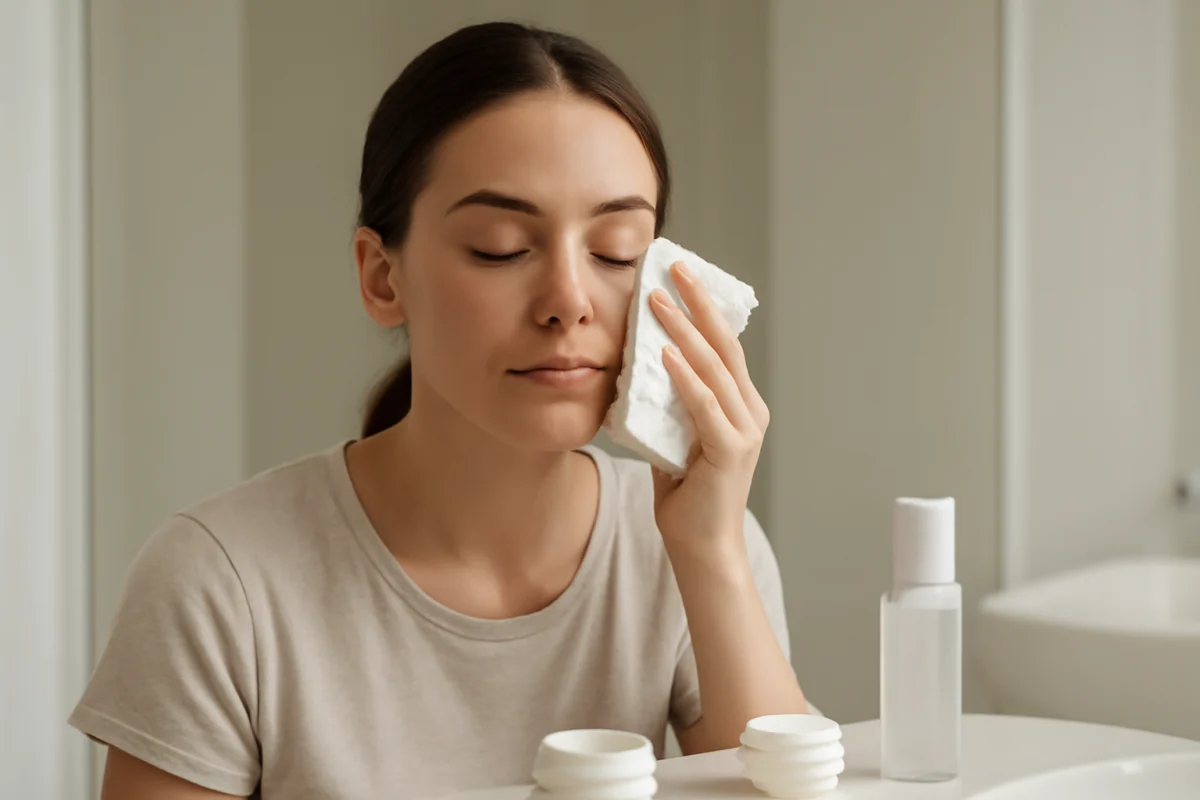
If you need under-eye bags to look less noticeable quickly, use a cool compress for a few minutes, keep your head elevated, and apply a lightweight eye product with gentle tapping motions. These steps may temporarily reduce the appearance of fluid-related puffiness, but they cannot instantly remove structural under-eye bags, change inherited anatomy, or treat an underlying medical condition.
The fastest five-minute routine for a less puffy appearance
A short routine works best when the puffiness is temporary, such as after waking up, crying, eating a salty meal, or sleeping poorly. Keep the pressure light and avoid rubbing, because the skin around the eyes is delicate and friction can make redness or irritation more noticeable.
Minute 1: Remove anything that may irritate the area
Wash your hands first, then remove makeup or skincare residue around the eyes with a gentle cleanser or makeup remover. Do not scrub back and forth. If your eyes are watering or the skin feels itchy, burning, or unusually sensitive, skip new products and focus on comfort rather than trying to force a quick cosmetic result.
Minutes 2 to 4: Use a cool compress
Place a clean, cool washcloth over closed eyes for several minutes. You can also use a reusable cooling mask if it is clean and comfortable, but avoid placing ice directly on the skin. A cool temperature may temporarily make puffiness look less prominent by causing a short-term tightening sensation and reducing the visibility of fluid-related swelling.
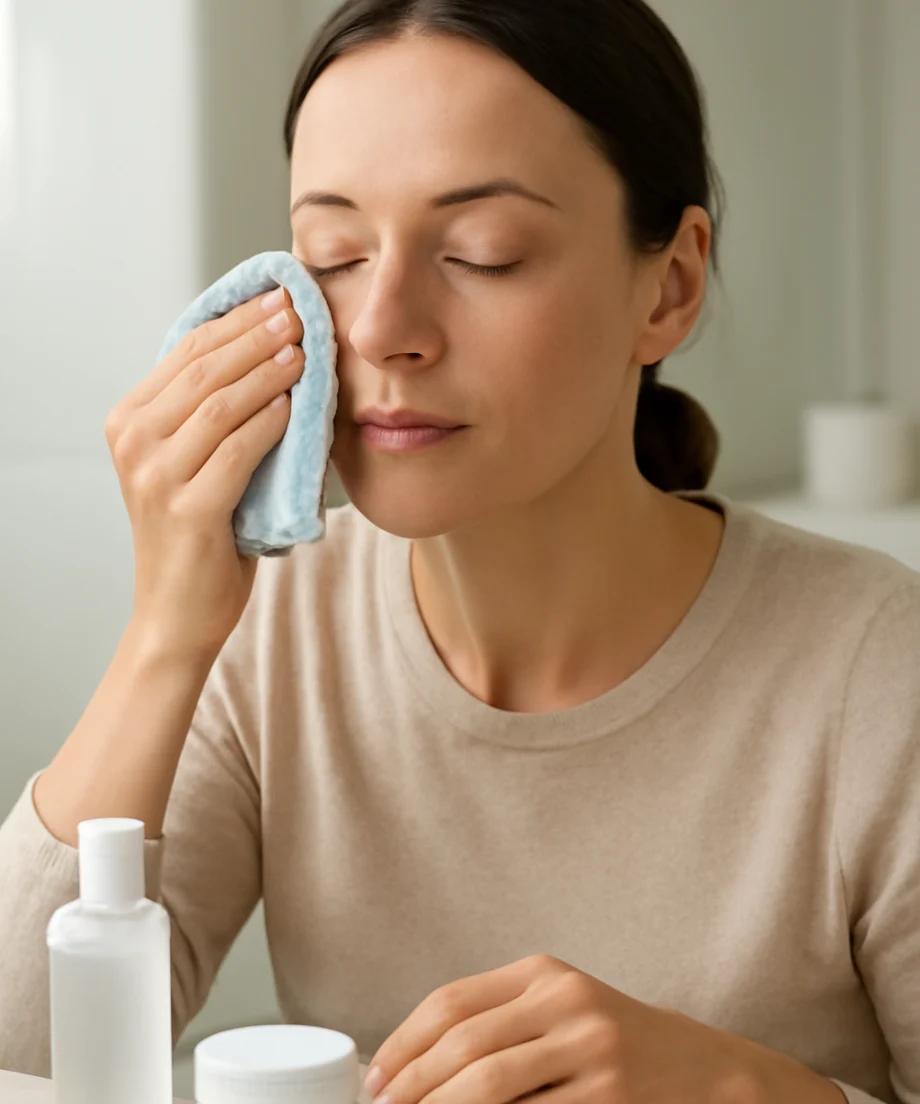
The compress should feel cool, not painfully cold. Stop if the skin becomes numb, painful, very red, or irritated. Clean the compress after use, especially if it touches the lash line.
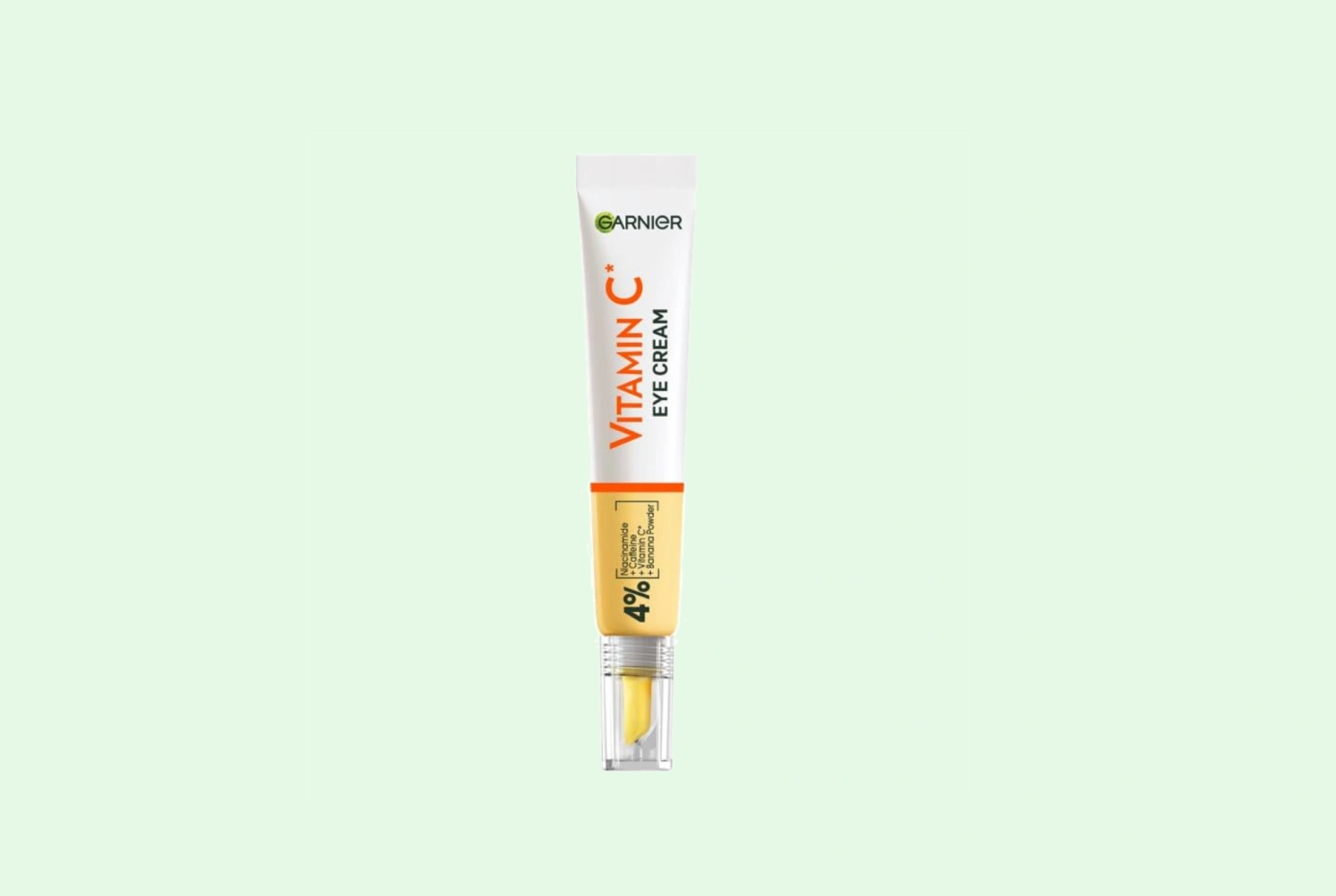
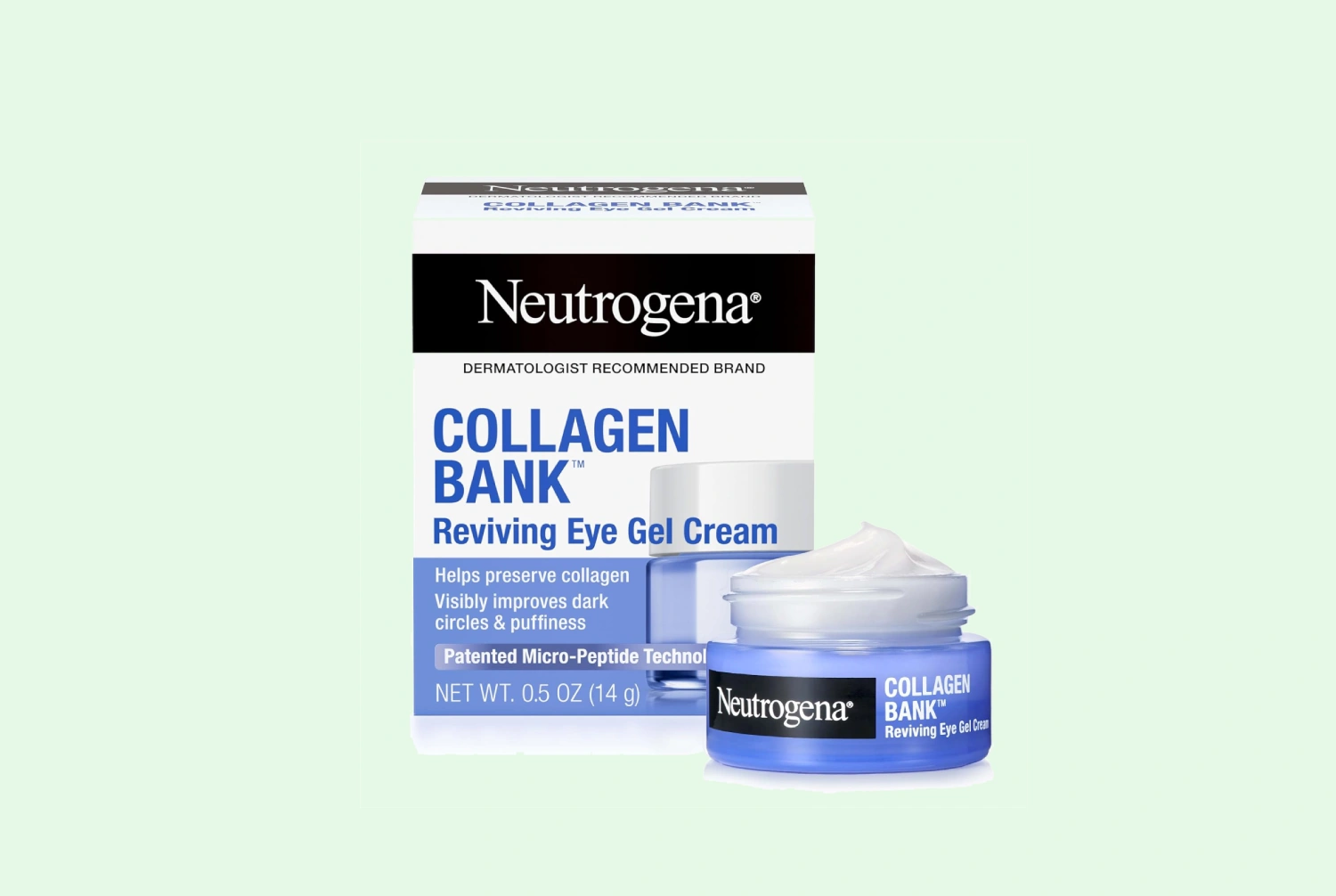
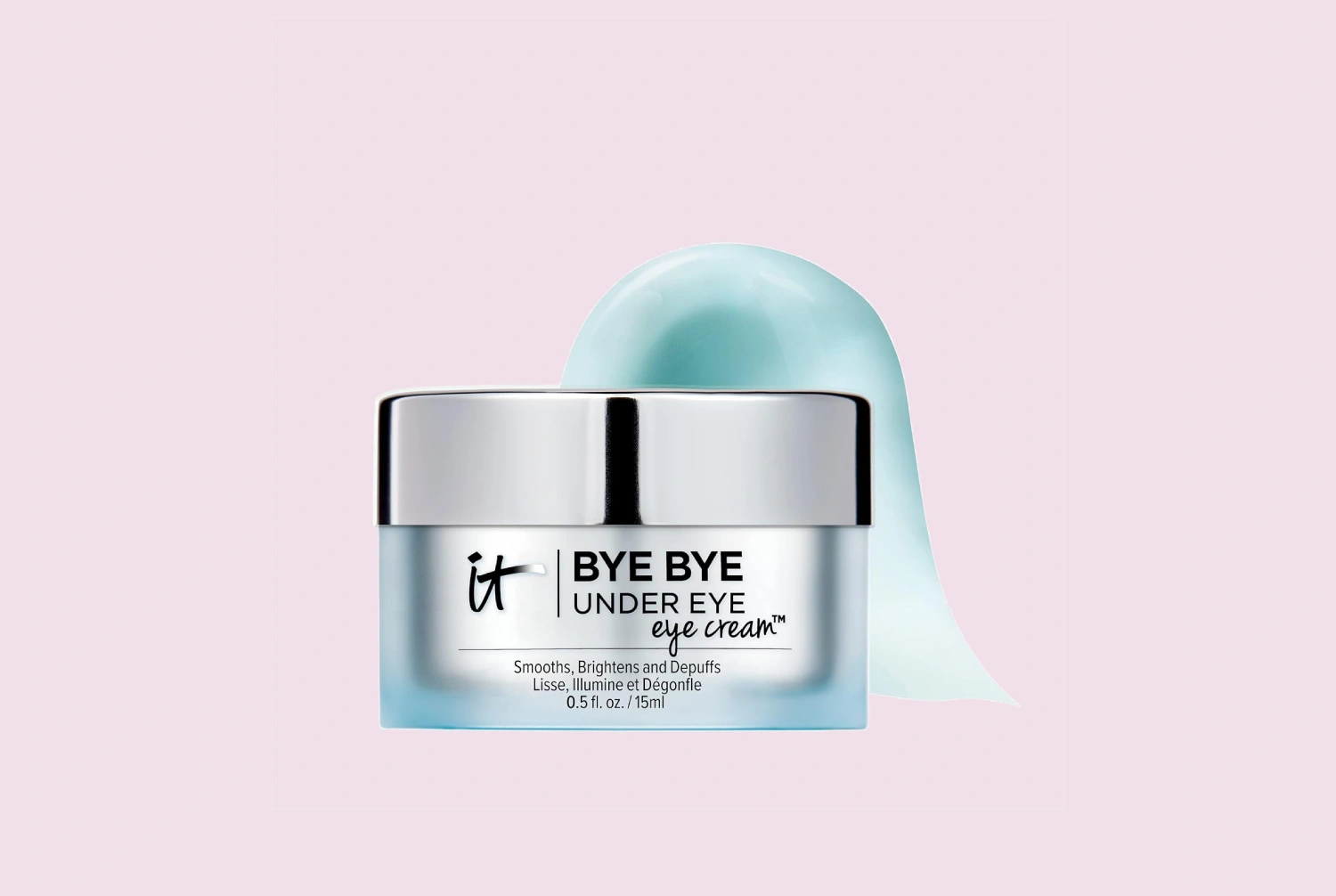
Minute 5: Apply a simple eye product sparingly
If your skin tolerates it, apply a small amount of a fragrance-free moisturizer or eye product around the orbital area, following the package directions. Use your ring finger or another finger that allows a very light touch. Dot the product along the orbital bone rather than placing it directly into the eye or too close to the lash roots.
Pat gently from the inner under-eye toward the outer corner. Do not massage aggressively or pull the skin. Using too much product can leave the area shiny, greasy, or more visibly swollen, particularly if the formula migrates into the eyes.
Which ingredients may help the appearance of eye bags quickly?
Ingredient choice depends on what you mean by “eye bags.” Temporary puffiness and permanent-looking under-eye fullness do not respond in the same way. A topical product may improve hydration, smoothness, or the temporary appearance of swelling, but it cannot reliably erase a prominent bulge caused by underlying tissue or changes in facial structure.
Caffeine
Caffeine is commonly used in products designed for the appearance of tired-looking eyes. It may provide a temporarily more refreshed look for some people, especially when puffiness is mild and fluid-related. Results vary by formula, skin, and the reason for the swelling. For more context, see our guide to whether caffeine helps reduce under-eye puffiness.
Check the current ingredient list rather than relying on an older product description. Formulas can change, and the presence of caffeine does not guarantee a specific visible result.
Humectants and moisturizers
Ingredients such as glycerin, hyaluronic acid, and other humectants can help the skin hold water. This may make dry texture and fine lines look temporarily smoother, which can improve the overall appearance of the under-eye area. Hydration does not remove a true under-eye bag, however, and applying too much product may contribute to a heavy or puffy look.
Soothing ingredients
Some eye products contain soothing ingredients intended to support a comfortable skin feel. Their usefulness depends on the complete formula and your individual tolerance. Avoid assuming that a botanical ingredient is automatically gentle; plant extracts and fragrance components can still bother sensitive skin.
Retinoids and brightening actives
Retinoids, vitamin C, exfoliating acids, and other active ingredients may be included in longer-term eye-area routines, but they are not five-minute fixes for eye bags. They can also cause irritation if used too often or too close to the eyes. Follow the product label, introduce one active at a time, and consider a patch test when appropriate. Stop using a product if you develop burning, persistent redness, swelling, or worsening discomfort.
For ingredient-specific background, you can browse our eye cream ingredient guide. Always verify the current packaging or manufacturer ingredient list before buying, since formulas may be updated.
Why eye bags do not always disappear in five minutes
People use “eye bags” to describe several different concerns. Temporary puffiness can fluctuate during the day and may be affected by sleep, crying, heat, allergies, salt intake, hydration, or sleeping position. A soft, swollen appearance that is more noticeable after waking may respond to cooling and time.
Other under-eye fullness is more persistent. Age-related changes, inherited facial structure, skin laxity, and the position of underlying fat can create a bag-like contour that remains visible regardless of sleep or skincare. A cream or compress may make the surface look smoother, but it cannot reposition deeper tissue or permanently alter anatomy.
It is also possible for shadows or pigmentation to be mistaken for bags. A hollow under the eye can create a shadow, while brown, gray, or bluish discoloration can make the area look more tired. Cooling the skin is unlikely to change those causes immediately. Understanding the difference between eye bags and puffiness can help you choose a more realistic approach.
Quick makeup and styling adjustments
If you need a fast cosmetic change for a photo, meeting, or event, makeup can sometimes make under-eye fullness less noticeable. Use a thin layer of concealer rather than a thick coat, which may collect in fine lines and draw attention to texture. A peach or salmon-toned corrector may help balance certain blue or purple shadows, while a shade close to your skin tone can even out the area.
Apply makeup after skincare has had a moment to settle. If the eye area remains damp or slippery, gently press away excess product with a clean tissue before concealing. Avoid applying bright, reflective makeup directly over the fullest part of a bag, since shine can emphasize raised areas. Keep products away from the eye itself and follow normal makeup hygiene practices.
What to avoid when trying to flatten eye bags quickly
- Do not place ice directly on the skin. Extreme cold can cause pain and irritation.
- Do not rub or pinch the under-eye area. Friction can increase redness and discomfort.
- Do not layer several new active products at once. If irritation develops, it will be difficult to identify the cause.
- Do not use products inside the eye unless they are specifically labeled for that purpose.
- Do not apply hemorrhoid creams or other non-eye products based on internet shortcuts. They may contain ingredients that are unsuitable for the delicate eye area.
- Do not expect a cream to remove a persistent anatomical bag. A temporary cosmetic improvement is different from changing the underlying structure.
How to choose an eye product for recurring puffiness
For repeated morning puffiness, look for a product with a simple, comfortable formula that you are willing to use consistently. A lightweight texture may be preferable if rich creams make your eyes look heavier. If your skin is reactive, choose fragrance-free options when possible and avoid adding multiple potentially irritating actives at the same time.
Read the directions carefully, especially the recommended amount and placement. Product labels vary, and a formula marketed for the eye area is not necessarily suitable for every person. Verify current packaging and the manufacturer’s ingredient list because formulas, claims, and instructions can change.
You can also use our under-eye routine builder to organize a routine around concerns such as puffiness, dryness, or fine lines. The goal should be a tolerable routine with realistic expectations, not the largest number of products.
When sudden or uneven swelling deserves medical attention
Cosmetic puffiness is common, but skincare advice cannot determine the cause of new or unusual swelling. Seek medical guidance if swelling is severe, painful, persistent, rapidly worsening, associated with vision changes, discharge, significant redness, fever, breathing difficulty, or swelling elsewhere in the face. You should also seek professional advice if one eye repeatedly becomes much puffier than the other or if the change does not fit your usual pattern.
Allergies and irritation can also affect the eye area. If itching, watering, rash, or swelling continues, stop any suspected irritating product and ask a qualified healthcare professional for advice. An eye cream is a cosmetic product, not a substitute for diagnosis or treatment.
What results are realistic?
In five minutes, you may be able to make mild, temporary puffiness look less noticeable with cooling, gentle application, and careful makeup. The effect may be subtle and may fade as the skin warms or as the underlying cause continues. Persistent bags, hollows, discoloration, and laxity generally require a longer-term cosmetic plan and, when desired, a conversation with a qualified medical professional about appropriate options.
For everyday prevention of a tired-looking appearance, focus on the basics: avoid rubbing your eyes, remove makeup gently, use sun protection that you can tolerate around the eye area, and keep your routine consistent. These habits support the skin’s appearance over time, but no five-minute method can guarantee that eye bags will disappear.

Comments
0No comments yet. Be the first to share a helpful note or question.
Leave a Comment
Your email address will not be published. Comments are reviewed before appearing on the site.