
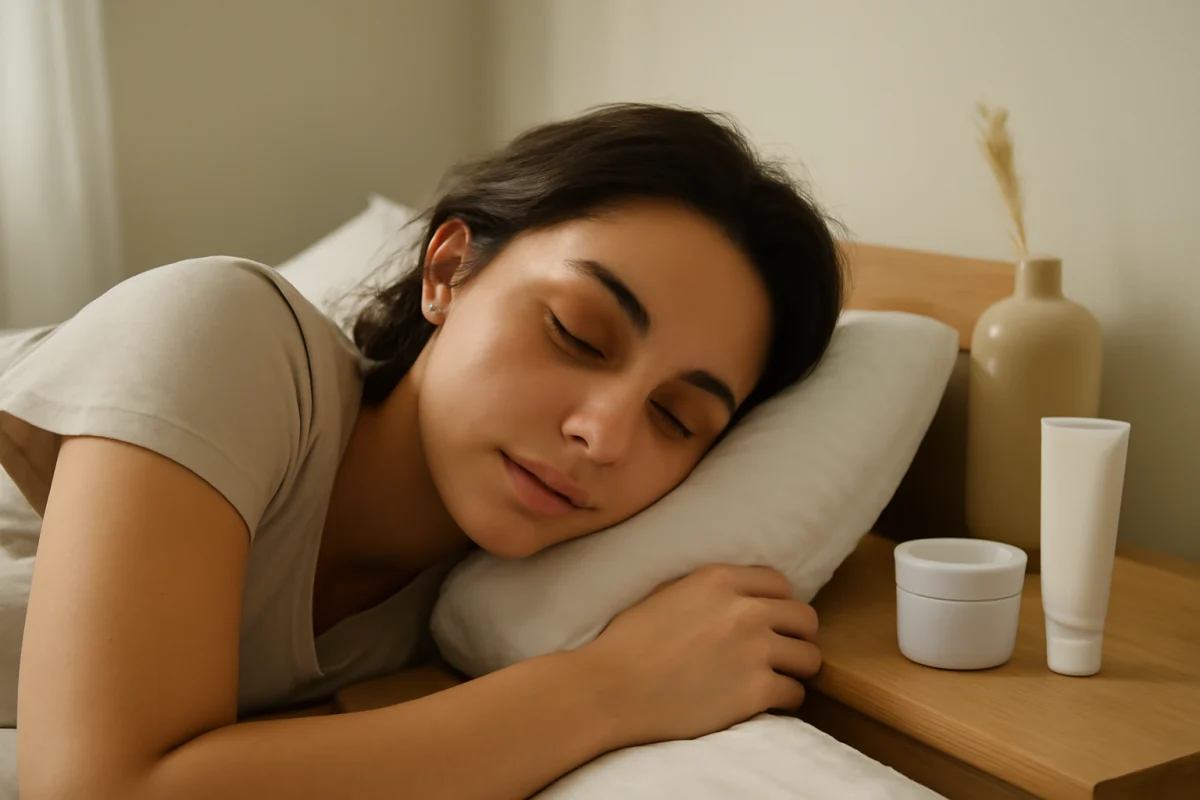
Yes, your sleeping position can make the area beneath your eyes look darker or puffier in the morning, especially if you sleep face down or on your side. Position-related pressure and overnight fluid distribution may temporarily emphasize swelling, creasing, and shadows. However, changing how you sleep is unlikely to remove dark circles that are mainly related to genetics, pigmentation, visible blood vessels, thin skin, tear-trough structure, allergies, or ongoing irritation.
The most useful approach is to treat sleep position as one small part of an under-eye routine—not as a cure. A position that reduces morning puffiness may make the area look more rested, while gentle skincare, sun protection, and attention to possible irritants can help support the appearance of the skin over time.
How sleep position can affect the under-eye area
Under-eye skin is thin and delicate, and the area contains soft tissue, small blood vessels, and natural contours that can reflect light unevenly. During the night, lying in one position for several hours may influence how fluid settles around the face. Pressure from a pillow can also temporarily compress the skin and create creases.
These effects are usually most noticeable after waking. You may see more puffiness on the side you slept on, a deeper-looking crease, or a shadow beneath a swollen lower eyelid. As you get up and move around, some of this temporary change may become less visible.
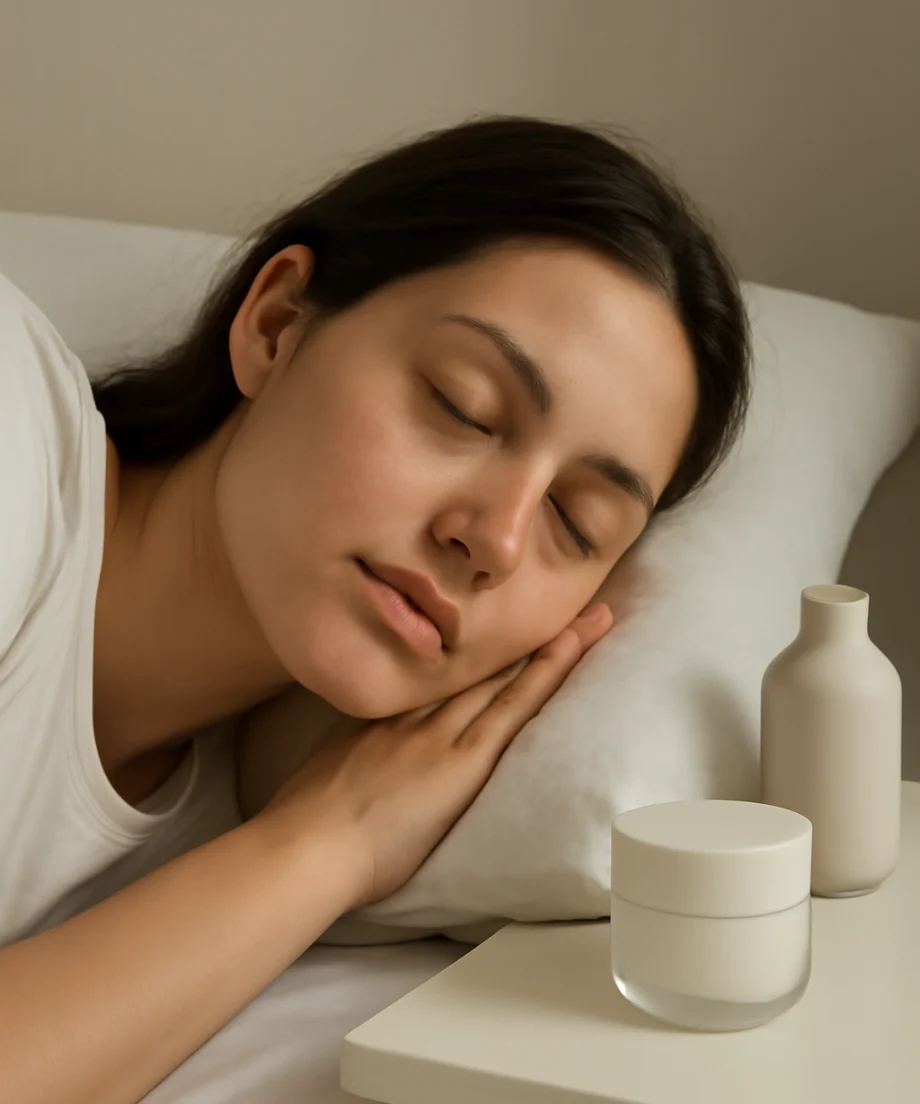
That does not mean sleep position is the original cause of every dark circle. A morning shadow can be the result of a combination of swelling, facial anatomy, pigmentation, and lighting. Comparing your appearance immediately after waking with how it looks later in the day can help you notice whether the change is mostly temporary.
Which sleeping positions may make dark circles look worse?
Sleeping on your stomach
Stomach sleeping places the face against a pillow and may increase pressure around the eyes. Depending on the pillow, bedding, and head position, this can contribute to temporary creasing and morning puffiness. It may also encourage you to rub or press the eye area when you turn your head.
If stomach sleeping is your preferred position, you do not need to force an uncomfortable change overnight. Instead, try gradually shifting toward a position that places less direct pressure on the face. Keeping bedding clean and choosing a pillowcase that feels comfortable against your skin may also reduce friction, although these steps will not address every type of dark circle.
Sleeping on your side
Side sleeping is common and can be a practical, comfortable choice. Still, it may cause one side of the face to receive more pillow pressure than the other. Some people notice that the under-eye area looks more swollen or creased on the side they slept on.
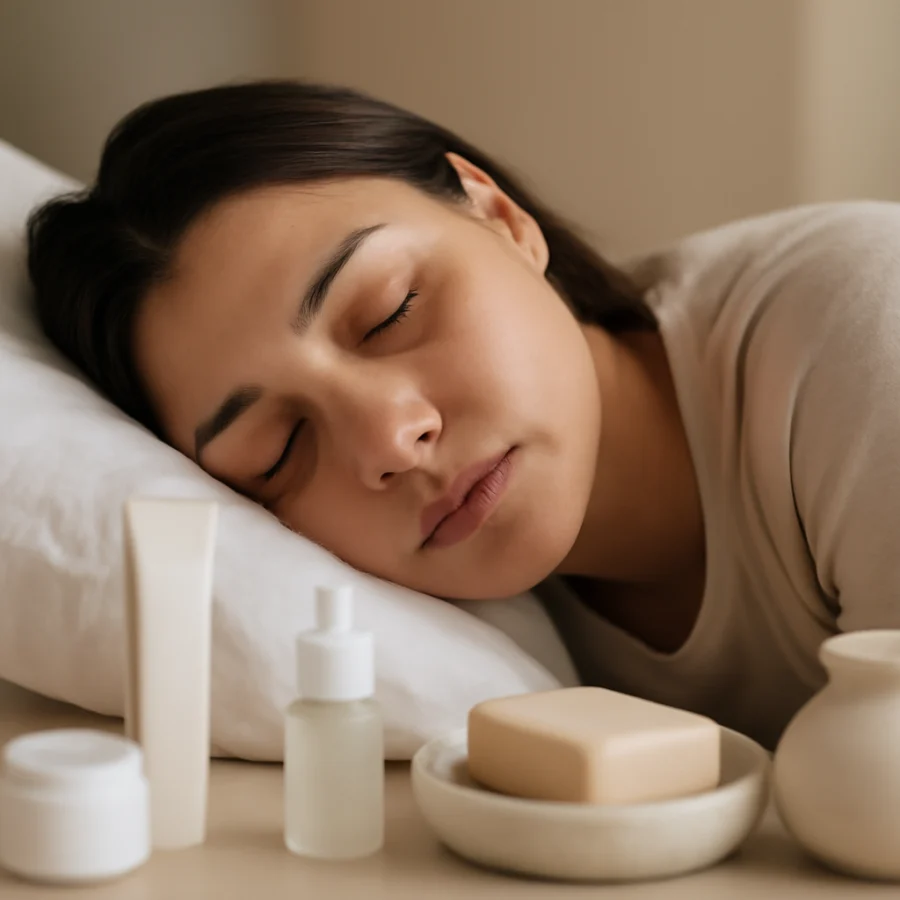
Switching sides occasionally may reduce repeated pressure on one area. You can also pay attention to whether your pillow is pushing upward against the lower eye area. The goal is not to eliminate normal facial movement or pressure entirely, but to avoid unnecessary rubbing, compression, and irritation.
Sleeping flat on your back
Back sleeping generally places less direct pressure on the face. For some people, a comfortable, slightly elevated head position may also help limit the appearance of fluid-related morning puffiness. Elevation should be gentle and supportive rather than extreme. A neck that is bent or strained can interfere with sleep quality and may not be comfortable enough to maintain.
Back sleeping is not automatically better for everyone. People may have health, mobility, pregnancy-related, or breathing-related reasons to prefer another position. Do not change a medically recommended sleep position based on cosmetic concerns alone.
Why morning dark circles are not always caused by sleep position
Dark circles are an appearance concern with multiple possible contributors. Sleeping position may influence temporary swelling, but it cannot explain every pattern. The color, shape, and timing of the darkness can provide clues about what you are seeing, although they cannot establish a diagnosis.
Pigmentation
Brown or gray-brown discoloration may be more noticeable after sun exposure, irritation, or inflammation. A sleep-position change is unlikely to make this type of discoloration disappear. Daily broad-spectrum sunscreen applied as directed, sunglasses, and a routine that minimizes irritation may help support a more even-looking appearance.
Visible blood vessels or thin skin
Blue, purple, or reddish tones may be more visible when the skin beneath the eyes is thin. Genetics and natural skin structure can play a role. Because sleep position does not substantially change the thickness of the skin, it may have little effect on this type of darkness beyond any temporary swelling.
For background on why under-eye skin can make shadows and color look more pronounced, see our guide to why thin under-eye skin makes dark circles more visible.
Natural hollows and facial shadows
A tear trough or other natural contour can create a shadow beneath the lower eyelid. Changes in lighting, facial expression, and morning puffiness may make the shadow look stronger or softer, but changing sleep position will not change the underlying structure.
Allergies, congestion, or rubbing
Allergy symptoms, nasal congestion, watery eyes, and frequent rubbing can make the eye area look irritated or darker. If you regularly have itching, redness, scaling, significant swelling, pain, discharge, or changes in vision, consider seeking advice from a qualified healthcare professional rather than treating the appearance only with cosmetics.
Practical sleep adjustments to try
If your dark circles look worse mainly in the morning, test one change at a time so you can observe what actually helps your appearance:
- Reduce direct face pressure. If comfortable, work toward back sleeping or a less compressed side position.
- Use supportive elevation. A modest lift under the head and neck may feel helpful for some people, but avoid positions that cause discomfort or neck strain.
- Keep the pillowcase clean. This may be useful if residue, sweat, or skin products seem to contribute to irritation.
- Avoid sleeping with eye makeup on. Residue and rubbing during removal can irritate the delicate area.
- Do not rub the eyes. Patting gently is less aggressive than repeated rubbing when you wake with itchiness or watering.
- Protect sleep quality. A position that looks ideal cosmetically is not helpful if it makes it harder to sleep comfortably.
A cool, clean compress in the morning may temporarily make puffiness look less prominent for some people. Use a comfortable temperature, avoid pressing firmly, and stop if the skin becomes irritated. This is a cosmetic comfort measure, not a treatment for an underlying medical issue.
Can eye cream offset the effects of sleep position?
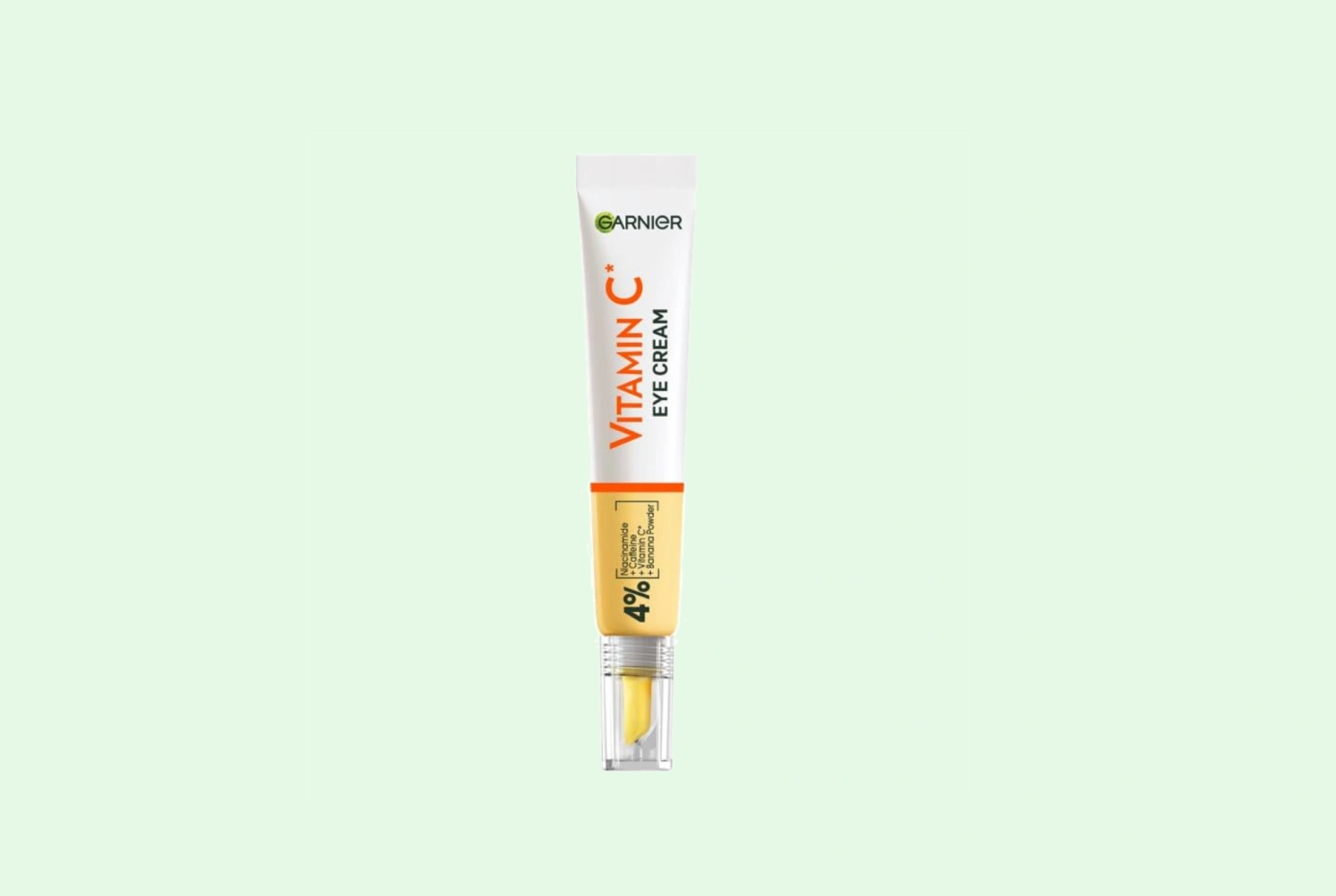
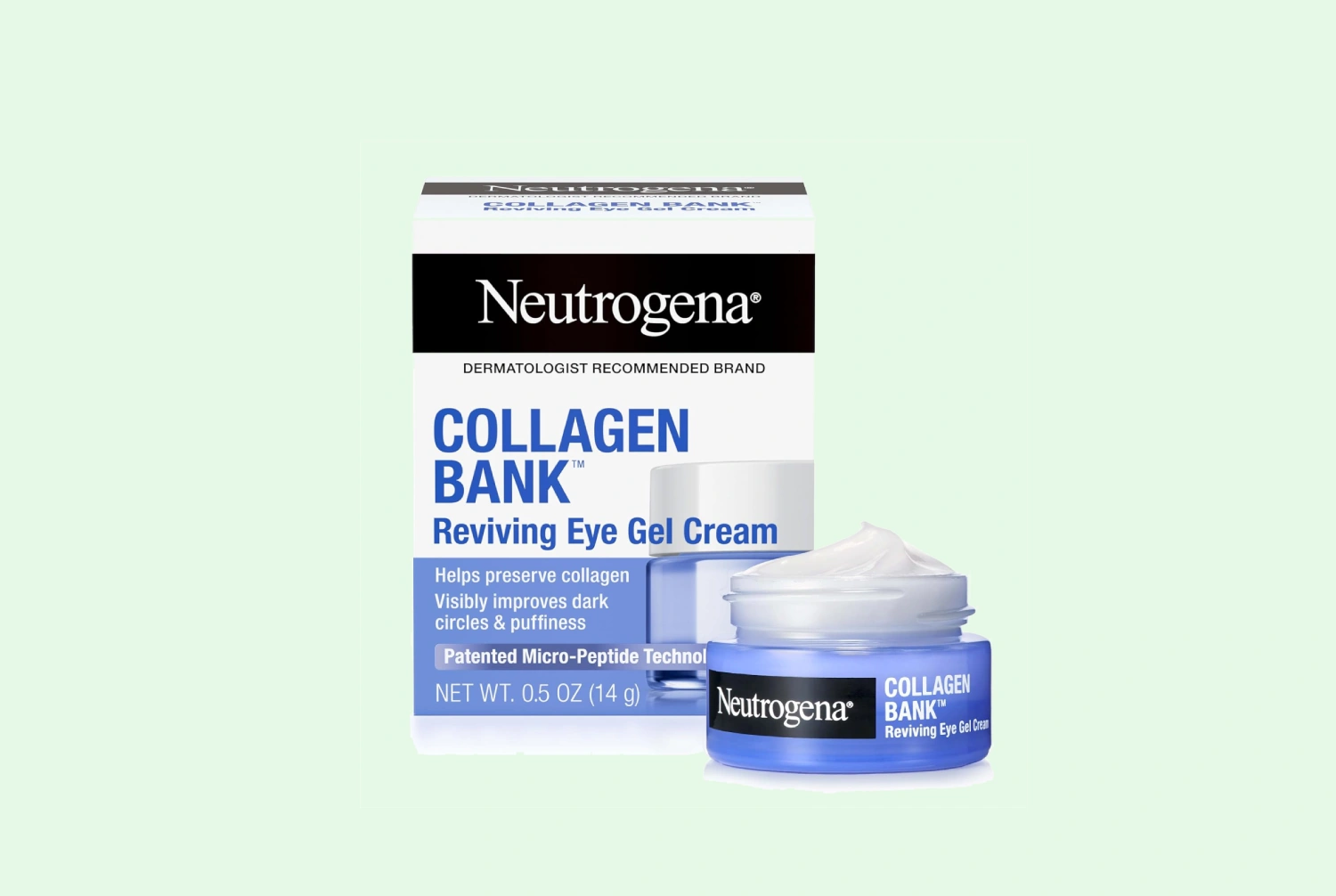
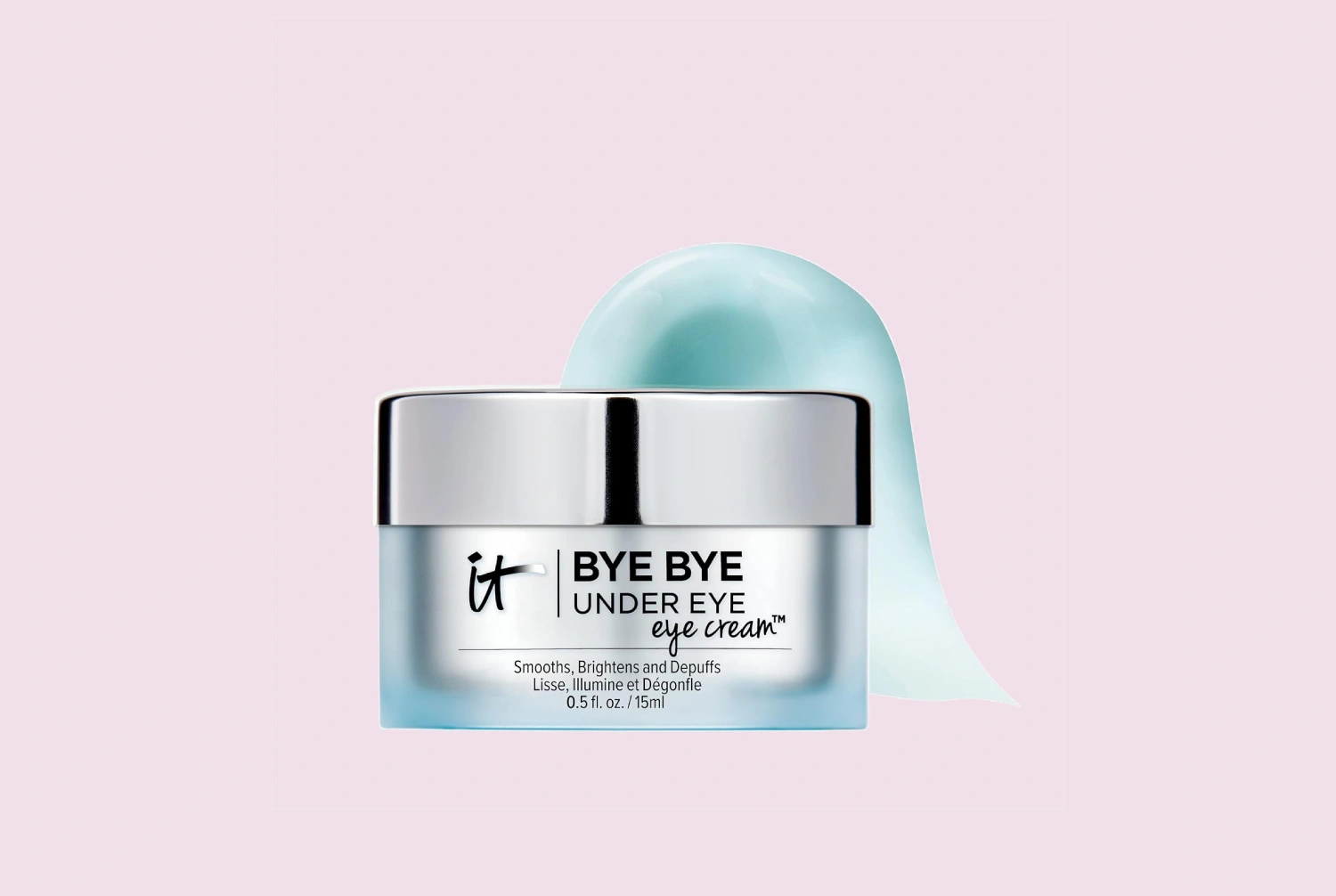
An eye cream may improve the feel and temporary appearance of dryness, rough texture, or mild puffiness, depending on its formula and your skin’s response. It cannot reliably counteract prolonged pressure or erase structural shadows. Product selection should match the concern you are trying to address rather than the label alone.
For a simple starting point, look for a lightweight moisturizer if dryness makes fine lines and shadows more noticeable. Products containing humectants or barrier-supporting ingredients may help the skin feel more comfortable. Caffeine-containing formulas are sometimes chosen for the appearance of temporary puffiness, but results can vary and should not be treated as a guarantee. You can review ingredient basics in our eye cream ingredient guide.
Active ingredients such as retinoids, vitamin C, exfoliating acids, and fragrance can be more irritating for some people, particularly around the eyes. Follow the product label, introduce one new product at a time, and keep the product away from the eye itself unless the instructions specifically allow use in that area. Patch testing may be helpful for sensitive skin. Stop using a product if you develop burning, persistent redness, swelling, or other irritation.
Formulas can change, so check the current packaging and the manufacturer’s ingredient list when a specific product detail matters. More product is not better: applying a thin layer and avoiding the lash line can help reduce the chance of migration into the eyes.
What realistic results should you expect?
If sleep position is contributing to morning puffiness, a change may make the area look somewhat less swollen or uneven after you wake. The effect may be subtle and may vary from night to night. It is also possible that the change will improve comfort without producing a dramatic visible difference.
Long-standing darkness that looks similar throughout the day is less likely to be explained by sleeping position alone. Pigmentation, inherited traits, under-eye hollows, thin skin, dryness, and irritation may continue to affect the appearance even when you sleep on your back. For a broader overview of possible contributors, read about why dark circles can remain visible even when you sleep enough.
When to look beyond cosmetic changes
Occasional morning puffiness is common, but sudden, persistent, painful, or one-sided swelling deserves more attention. Seek medical guidance if the change is accompanied by vision problems, marked redness, discharge, injury, severe pain, or other symptoms that concern you. A healthcare professional can assess symptoms that skincare products and sleep-position changes cannot.
For everyday cosmetic concerns, focus on a comfortable sleep position, gentle handling, adequate moisturization, and sun protection. These steps may help the under-eye area look less puffy or tired, but they cannot guarantee that dark circles will disappear. The best routine is one you can use consistently without sacrificing comfort or irritating the delicate skin around your eyes.

Comments
0No comments yet. Be the first to share a helpful note or question.
Leave a Comment
Your email address will not be published. Comments are reviewed before appearing on the site.