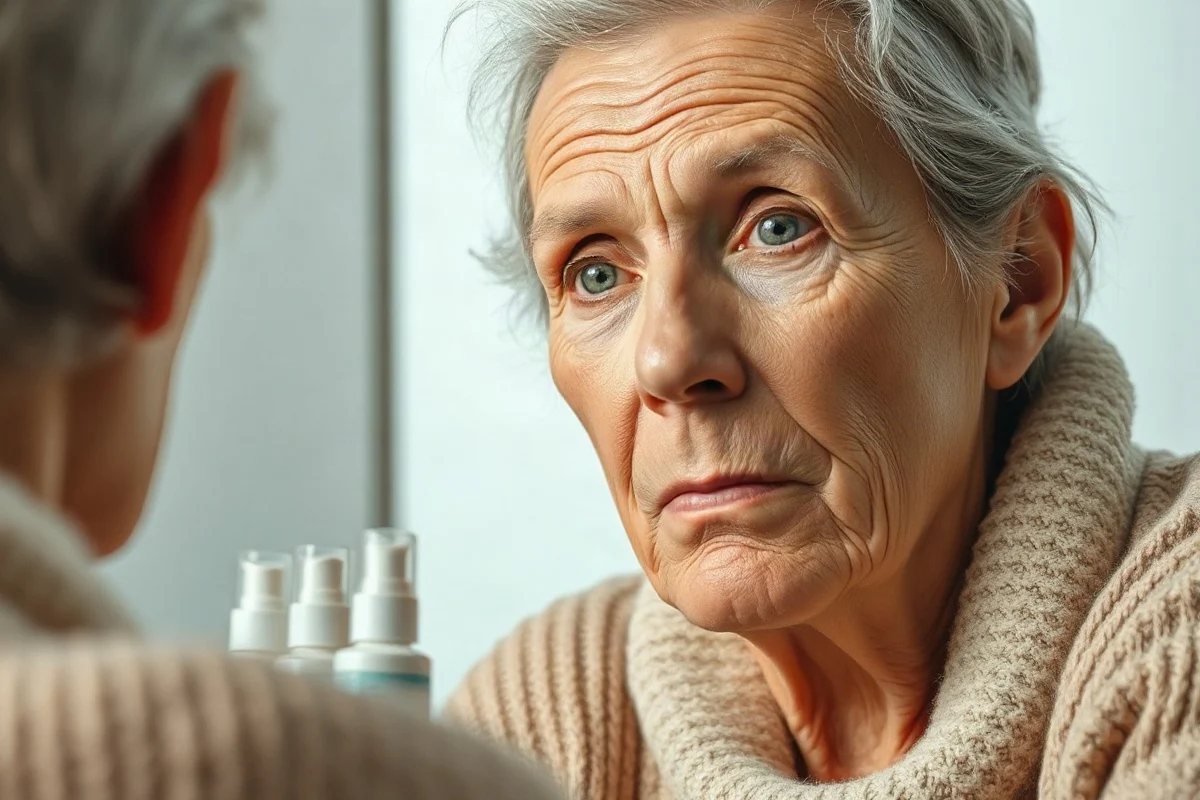
Why Do Under-Eye Bags Become More Visible With Age?
Under-eye bags often look more prominent with age because of changes in skin support, fat positioning, fluid retention, and light reflection. Learn what may help soften their appearance.

Type an ingredient, product type, skin concern or question. Results stay inside this category.

Under-eye bags often look more prominent with age because of changes in skin support, fat positioning, fluid retention, and light reflection. Learn what may help soften their appearance.

Your sleeping position may influence how noticeable under-eye puffiness looks in the morning. Learn what position, fluid buildup, routine habits, and eye care can realistically change.

Learn which eye cream ingredients may temporarily improve the appearance of puffiness, how to choose a formula, and when skincare may not be enough.

Screen time may make the eye area look temporarily more tired or puffy, mainly through reduced blinking, dryness, eye rubbing, and disrupted sleep. Here is what may help.

Most under-eye puffiness is cosmetic, but sudden, one-sided, painful, or persistent swelling can deserve medical attention rather than a new eye cream.

Uneven under-eye puffiness is common and may reflect sleep position, fluid retention, irritation, anatomy, or everyday habits. Learn what can help cosmetically and when to seek medical care.

Allergies can make the under-eye area look puffy, swollen, itchy, or darker. Learn why it happens, what may help the appearance, and when to seek medical advice.
Eye cream labels can be hard to compare. We explain common ingredients, make product claims easier to understand, and set realistic expectations for concerns like dryness, puffiness, and dark circles.
How we create our guidesIngredient explainers in plain English
Practical comparisons and routines
Realistic expectations for eye care